
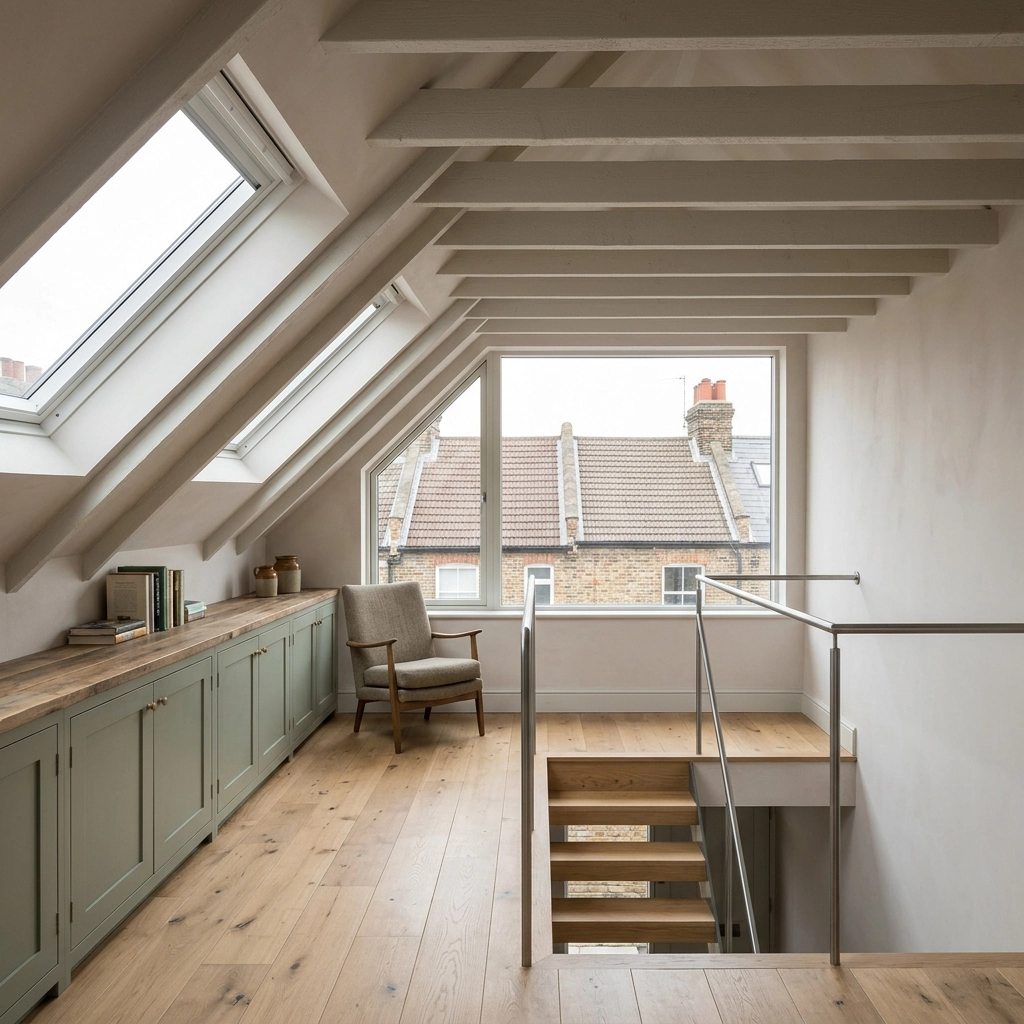
Deciding to renovate or extend your home in East London is a significant financial and emotional commitment. Whether you are looking to add a master suite via a loft conversion in Epping or a modern kitchen extension in Walthamstow, the biggest hurdle is often choosing who will carry out the work. With property prices in London continuing to rise, many homeowners are opting to "improve, not move" to gain the extra space they need without the exorbitant costs of Stamp Duty and estate agent fees.
This guide explains how to navigate the local market and choose a design and build service that provides the right balance of architectural creativity, structural integrity, and local planning expertise. By comparing different approaches, you can ensure your project is completed on time, within budget, and to a standard that adds genuine value to your home.
Understanding the Design and Build Model
Traditionally, a homeowner would hire an architect to draw up plans and then put those plans out to tender to various building firms. However, the "Design and Build" model has become increasingly popular in East London and areas like Chingford and Epping because it integrates both stages into a single point of contact.
In this model, your contractor manages everything from the initial site survey and architectural drawings to the structural engineering, planning applications, and the actual construction. This streamlined approach reduces the risk of miscommunication between the person designing the space and the person building it. If you are just starting to research this approach, it is worth looking at 10 things you should know before starting a design and build project.

Comparing Service Levels: What to Look For
When comparing different design and build services in East London, it is easy to get distracted by the lowest quote. However, high-quality building extensions in London require more than just a competitive price. You need to evaluate several key areas to ensure the firm is capable of delivering your vision.
1. Local Planning Knowledge
East London and the surrounding Epping Forest district have complex planning landscapes. A design and build firm working in Walthamstow must understand the specific requirements of the London Borough of Waltham Forest, which may differ significantly from the planning constraints in Epping or Chingford.
For instance, if you are planning a loft conversion in Epping, your builder needs to be aware of local conservation areas or Green Belt restrictions that could impact your design. A firm with local experience will know which types of dormer or hip-to-gable conversions are likely to be approved under Permitted Development and which will require a full planning application.
2. Trade Experience and Accreditations
Anyone can call themselves a builder, but in a competitive market like East London, trade experience is the ultimate differentiator. Look for a firm with at least 20 years of experience in the local area. This longevity indicates a stable business that has weathered various economic climates and building regulation changes.
Furthermore, verify the workforce's credentials. An accredited workforce: holding CSCS (Construction Skills Certification Scheme) cards and City & Guilds qualifications: ensures that the people actually laying the bricks or installing the steel beams are trained professionals. This level of professional oversight is what separates high-end Chingford builders from less reliable alternatives.
3. Specialism in Domestic Refurbishments
Some companies handle everything from commercial shop-fitting to new-build estates. For a homeowner, it is often better to choose a specialist in domestic refurbishments, loft conversions, and extensions. These firms are accustomed to working in occupied homes and understand the importance of minimizing disruption to your daily life. They will have refined processes for managing dust, noise, and site safety in tight urban spaces.

Traditional Builder vs. Specialist Design and Build Firm
When choosing a service, you will likely encounter three types of providers. Here is how they compare:
| Feature | Traditional Builder | Design & Build Specialist | DIY/Managed Subcontractors |
|---|---|---|---|
| Responsibility | Split between architect/builder | Single point of contact | You manage everything |
| Cost Certainty | Can fluctuate if plans change | Usually fixed price from start | High risk of overspending |
| Timeline | Can be delayed by coordination | Streamlined and faster | Generally the slowest |
| Complexity | High (you manage the middle) | Low (firm manages everything) | Very High |
For many, the Design and Build East London route is the most cost-effective because it prevents "design creep": where an architect designs something beautiful that is technically impossible or prohibitively expensive to actually build.
Assessing the Quote: Avoiding Hidden Expenses
A common mistake homeowners make is choosing a quote based on the bottom-line figure without scrutinizing what is included. When comparing quotes from Walthamstow builders, ensure you are comparing like-for-like.
A professional quote should clearly outline:
- Structural engineering fees
- Building control inspection fees
- Waste removal (skip hire)
- First and second fix plumbing and electrics
- Material specifications (the difference between standard and premium finishes)
In the current economic climate, understanding kitchen extension costs in East London for the year ahead is vital for budgeting. A transparent firm will be upfront about potential "extras" such as upgraded insulation or bespoke glazing options.
The Financial Benefits of Extending vs. Moving
The primary motivation for most of our clients in East London, Epping, and Chingford is the desire for more space. With the cost of moving house in London: including legal fees, Stamp Duty, and moving vans: often exceeding £30,000 to £50,000 for a family home, investing that money into your current property is a far smarter financial move.
A well-executed loft conversion in Epping can add up to 20% to the value of your property. Similarly, a side-return or rear extension can transform a cramped Victorian terrace into a modern, open-plan living space. By choosing a design and build service that focuses on maximizing your existing footprint, you are essentially "buying" a larger house at a fraction of the market price.

Common Pitfalls to Avoid When Choosing a Service
Choosing the wrong partner can lead to delayed timelines and spiraling costs. To ensure a smooth project, avoid these common mistakes:
- Ignoring the "Gutter-Level" Detail: Look at a builder's previous work, but look closely. Are the joints clean? Is the brickwork matched to the existing house? In Chingford and Epping, where many homes have period features, matching the aesthetic is crucial.
- Assuming Planning is Automatic: Even if your neighbor has an extension, you still need to follow the rules. Ensure your chosen firm understands planning permission for loft conversions in Epping and surrounding areas.
- Communication Gaps: If a company is slow to respond during the quoting phase, they will likely be slow during the construction phase. Choose a firm that values clear, professional communication from the first site visit.
Practical Steps to Finalise Your Choice
Before you sign a contract, follow these steps to verify your chosen design and build service:
- Visit a Live Site: A reputable builder will be happy to show you a project in progress. This allows you to see how they manage the site and how they treat the client's property.
- Check Local References: Ask for references specifically from homeowners in East London, Epping, or Chingford. Local references are more relevant as they reflect the firm's ability to handle local logistical challenges.
- Review the Case Studies: Look for projects similar to yours. For example, if you have a semi-detached property in Walthamstow, look for a case study on adding space to a similar home.
- Verify Insurance: Ensure the firm has comprehensive Public Liability and Employer’s Liability insurance.

Conclusion
Choosing the right design and build service in East London is about more than just finding a contractor; it is about finding a partner who can translate your vision into a structural reality. By prioritizing local expertise, 20 years of trade experience, and an accredited workforce, you can avoid the common stresses associated with home renovations.
Expanding your existing home is the most effective way to gain the space you need while protecting your financial future. Whether you are looking for a loft conversion in Walthamstow or a full home refurbishment in Chingford, the right team will ensure the process is transparent and the results are exceptional.
If you’re planning a similar project in London or the Epping Forest area, WJ Construction Ltd can advise on the best approach for your specific property and budget. Get in touch with us today to discuss your plans and take the first step toward transforming your home.