
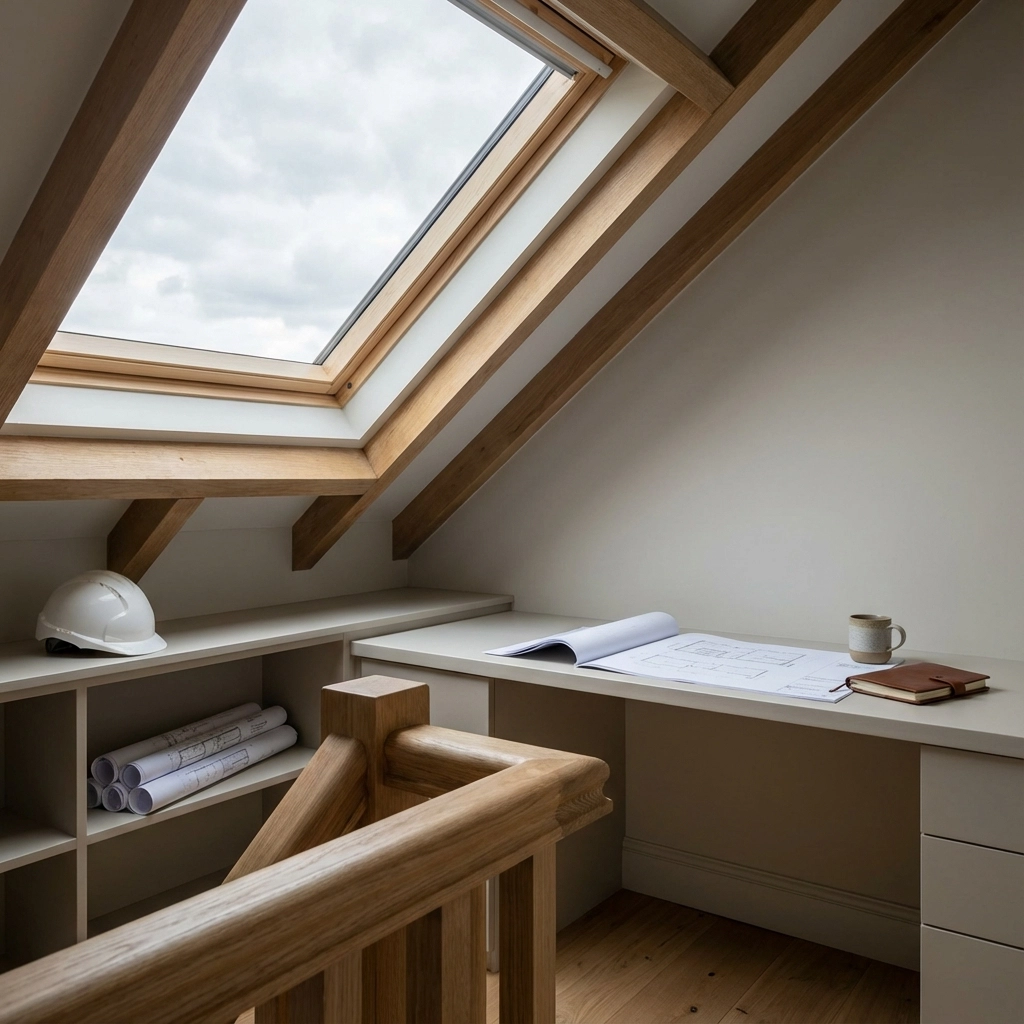
If you're considering a loft conversion in Epping, one of the first questions that likely comes to mind is whether you'll need planning permission. The good news is that most loft conversions fall under permitted development rights, meaning you can proceed without formal planning approval. However, there are important conditions and exceptions you need to understand before starting your project. This guide will walk you through the planning rules specific to Epping, help you determine whether your conversion qualifies as permitted development, and explain when planning permission is actually required.
When Planning Permission is Not Required
Most loft conversions in Epping can proceed without planning permission under what's known as permitted development rights. These rights allow homeowners to make certain improvements to their properties without needing formal approval from Epping Forest District Council.
Basic Property Requirements
Your property must meet these fundamental criteria:
- House type only: The property must be a house, not a flat, maisonette, or building containing multiple units
- No previous extensions: Your property must not have already had additional storeys added under permitted development rights
- Standard residential use: The property must be used as a single family dwelling
Volume and Size Limits
The most important restrictions relate to how much additional space you can create:
- Terraced houses: Maximum volume increase of 40 cubic metres
- Detached and semi-detached houses: Maximum volume increase of 50 cubic metres
- Height restrictions: The conversion cannot exceed the height of the existing roof
Design and Construction Standards
Your loft conversion must also meet specific design criteria:
Roof and Structure
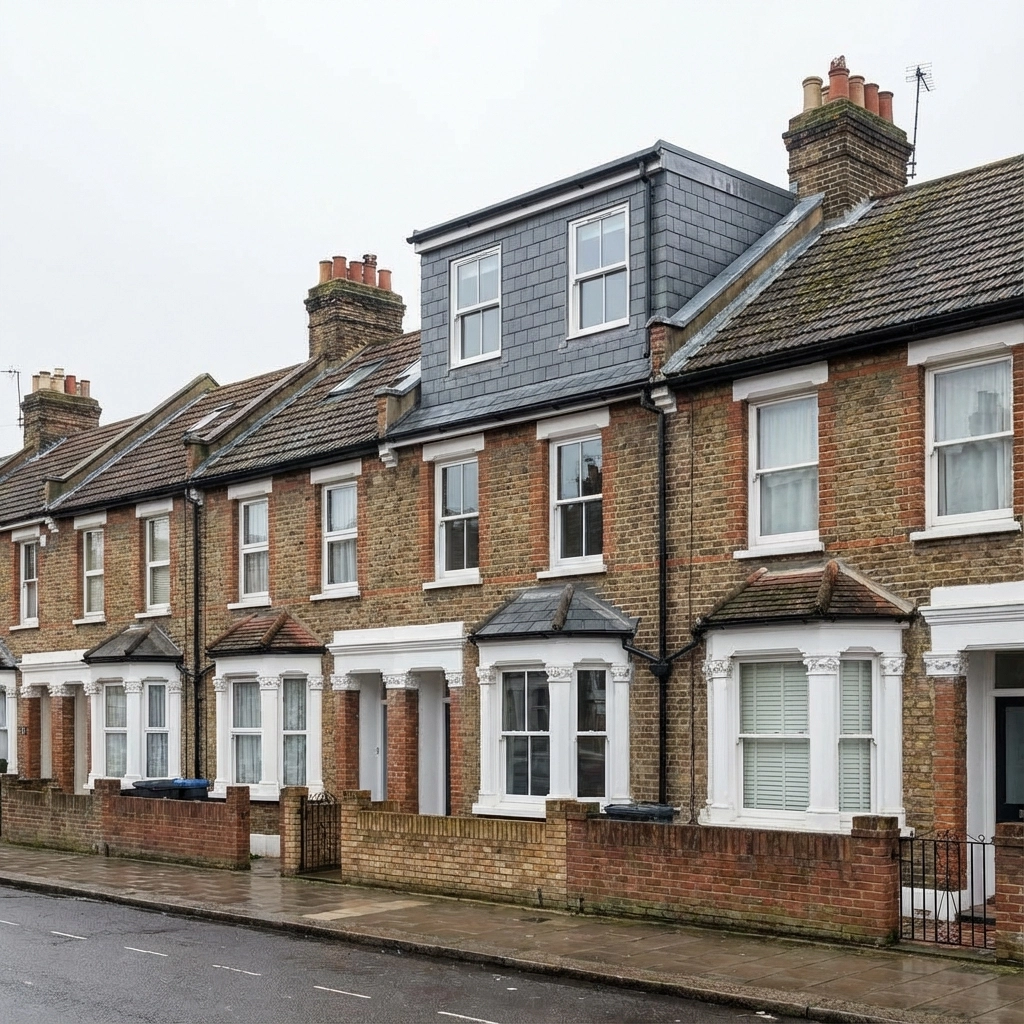
- Cannot extend beyond the plane of the existing roof slope on the principal elevation (front of house)
- Must use materials similar in appearance to the existing house
- Side extensions must be set back at least 20cm from the eaves (except hip-to-gable conversions)
Windows and Openings
- Side-facing windows must be obscure-glazed unless they're positioned 1.7 metres above the floor level
- Any opening parts of side-facing windows below 1.7m must be obscure-glazed
- No verandas, balconies, or raised platforms are permitted
When You Will Need Planning Permission
Several circumstances require formal planning permission for your loft conversion in Epping, regardless of the size or scope of work.
Conservation Areas and Listed Buildings
Epping has several conservation areas where special planning rules apply. If your property is located in one of these designated areas, you may need planning permission even for work that would normally qualify as permitted development.
Key conservation areas in Epping include:
- Epping High Street Conservation Area
- Bell Common Conservation Area
- Parts of the town centre and historic residential streets
If you're unsure whether your property falls within a conservation area, check with Epping Forest District Council or review their online conservation area maps.
Exceeding Permitted Development Limits
Planning permission becomes necessary if your proposed conversion exceeds any of the permitted development criteria:
- Volume increases beyond 40 or 50 cubic metres (depending on house type)
- Extensions that project beyond the existing roof slope
- Changes that significantly alter the roof height or profile
- Use of materials that don't match the existing property
Previous Extensions
If your property has already benefited from permitted development rights for extensions or roof alterations, you may have exhausted your allowances. This is particularly relevant for properties that have had rear extensions or other modifications in recent years.
Understanding Permitted Development Rights in Epping
Permitted development rights are national planning rules, but local authorities can modify or withdraw them in certain circumstances. In Epping Forest District, these rights generally apply as standard, but there are local considerations to be aware of.
Article 4 Directions
Some areas in Epping may be subject to Article 4 Directions, which remove permitted development rights for specific types of work. These are typically applied in sensitive areas to protect local character and heritage.
Neighbour Considerations
While planning permission may not be required, you should still consider the impact on neighbouring properties. Good neighbourly relations are important, and discussing your plans with adjacent homeowners can help avoid disputes later.
Steps to Take Before Starting Your Loft Conversion
Before beginning any work on your loft conversion in Epping, follow these essential steps to ensure compliance with planning rules.
1. Measure and Calculate
Accurately measure your proposed conversion to ensure it falls within permitted development limits:
- Calculate the volume increase
- Check roof height and projection measurements
- Verify setback distances from boundaries
2. Check Conservation Status
Confirm whether your property is in a conservation area or has any special designations:
- Contact Epping Forest District Council planning department
- Review online mapping tools
- Check for any local Article 4 Directions
3. Consider a Lawful Development Certificate
If you're uncertain whether your conversion qualifies as permitted development, apply for a Lawful Development Certificate. This provides written confirmation from the council that your proposed work can proceed without planning permission.
Benefits of a Lawful Development Certificate:
- Provides legal certainty
- Useful for mortgage and insurance purposes
- Protects against future enforcement action
- Relatively quick and inexpensive to obtain
Common Mistakes to Avoid
Many homeowners in Epping make avoidable mistakes when planning their loft conversions. Being aware of these pitfalls can save time, money, and stress.
Assuming All Conversions are Permitted Development
Not all loft conversions qualify as permitted development. Factors like property type, location, and previous extensions can affect eligibility. Always verify your specific situation before proceeding.
Ignoring Building Regulations
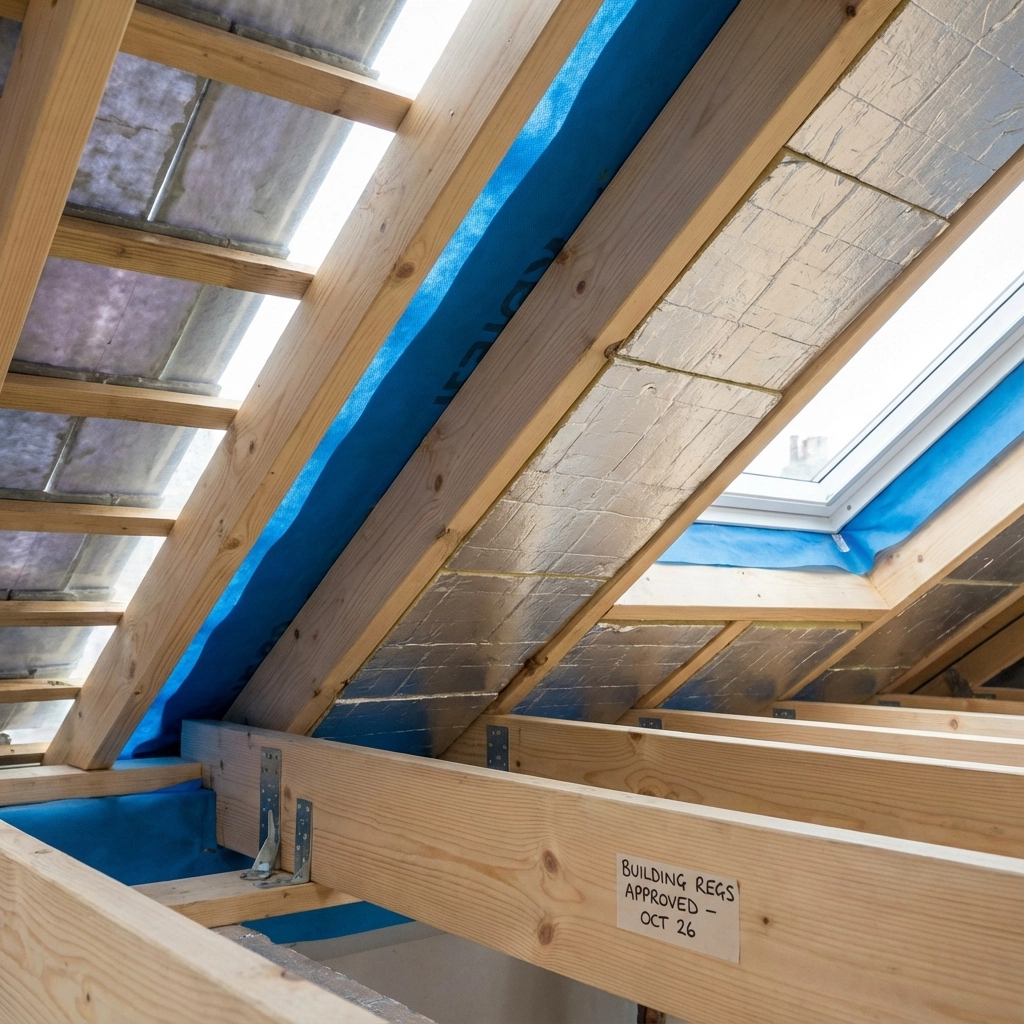
Planning permission and Building Regulations are separate requirements. Even if your conversion doesn't need planning permission, you'll still need Building Regulations approval for structural work, insulation, fire safety, and other technical aspects.
Overlooking Neighbour Impact
While not a planning requirement, considering neighbour impact is good practice. Issues like scaffolding access, noise during construction, and changes to privacy can affect relationships and potentially lead to complaints.
Starting Work Too Early
Beginning construction before confirming planning status can lead to expensive mistakes. If work doesn't comply with permitted development rules, you may need to apply for retrospective planning permission or even remove unauthorised work.
Working with Local Builders in Epping
Choosing experienced local builders who understand Epping's planning requirements can make your project smoother and more successful.
Local Knowledge Matters
Builders familiar with Epping Forest District Council's procedures and local planning considerations can:
- Advise on permitted development compliance
- Help navigate conservation area requirements
- Suggest design solutions that meet planning rules
- Coordinate with council planning departments when needed
Professional Guidance
Experienced builders can also recommend other professionals when needed, such as:
- Structural engineers for complex roof alterations
- Planning consultants for challenging applications
- Architects for design optimisation
Summary
Most loft conversions in Epping can proceed without planning permission under permitted development rights, provided they meet specific size, design, and construction criteria. However, properties in conservation areas, those exceeding volume limits, or homes with previous extensions may require formal planning approval.
Before starting your project, verify your planning status by measuring your proposed conversion, checking for conservation area designations, and considering a Lawful Development Certificate for peace of mind. Remember that Building Regulations approval will still be required regardless of planning permission status.
Planning a loft conversion in Epping doesn't have to be complicated when you understand the rules and take the right steps from the start. If you're considering a loft conversion and want expert guidance on planning requirements and project delivery, contact WJ Construction Ltd to discuss your plans and next steps.