
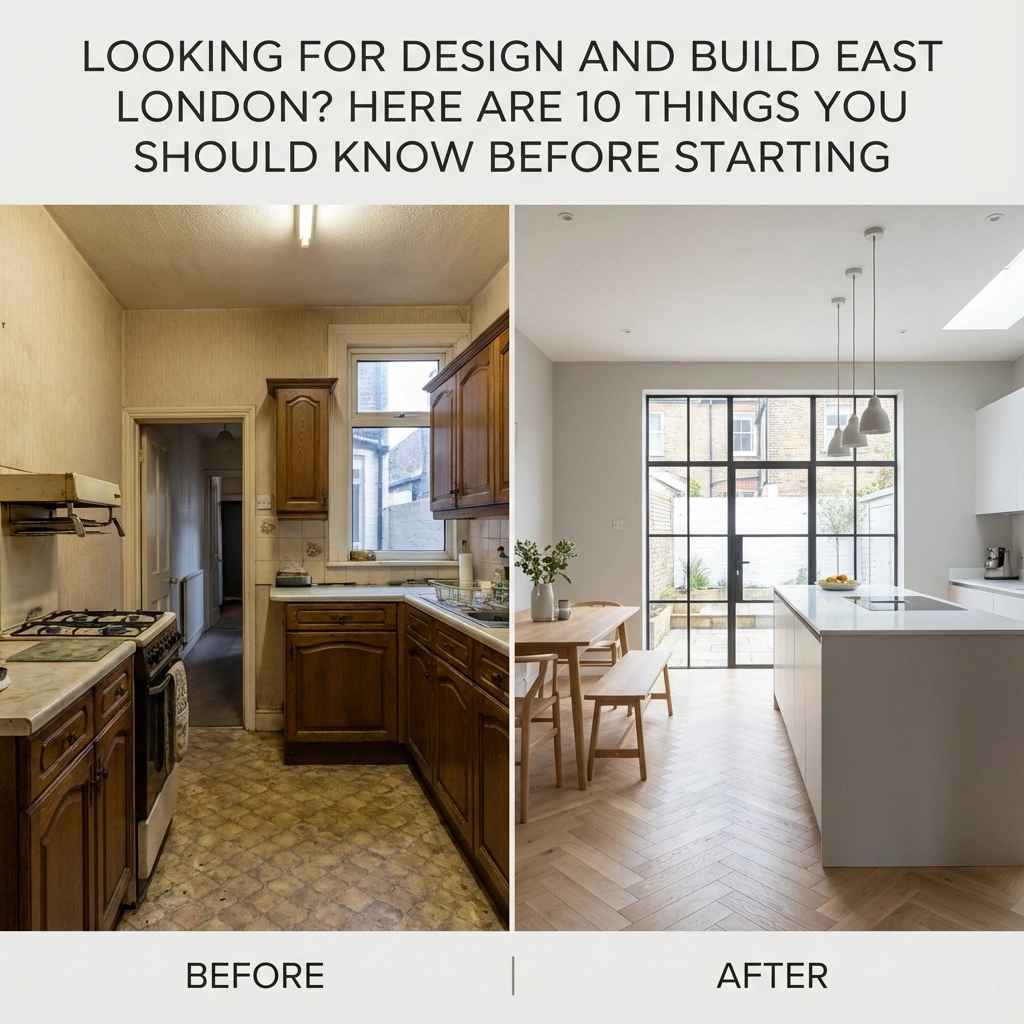
If you're considering a design and build project in East London, you're likely weighing up the benefits of having one company handle everything from initial design through to completion. This approach can streamline your project significantly, but there are key considerations that every homeowner should understand before starting. From planning permissions specific to East London boroughs to managing costs and timelines, this guide covers the essential points that will help you make informed decisions and avoid common pitfalls.
1. Understand What Design and Build Actually Includes
Design and build east london services offer a comprehensive approach where one company manages your entire project from concept to completion. This typically includes:
- Architectural design and planning
- Structural engineering assessments
- Planning permission and building regulation applications
- Project management and coordination
- All construction work and trades
- Final finishing and handover
The key advantage is having a single point of contact throughout your project, which can significantly reduce the complexity and stress of managing multiple contractors, architects, and specialists separately.

2. Know Your Local Planning Requirements
East London boroughs each have specific planning considerations that can affect your project:
Common East London Planning Challenges
- Conservation areas: Many areas in Hackney, Tower Hamlets, and Newham have strict design requirements
- Permitted development restrictions: Some boroughs have Article 4 directions limiting what you can do without planning permission
- Local design guidelines: Each borough has preferences for materials, styles, and proportions
A reputable design and build company will have extensive experience navigating these local requirements and can advise you on what's achievable within your area's planning framework.
3. Budget Realistically for East London Projects
East London construction costs vary significantly depending on your location and project scope. Key budget considerations include:
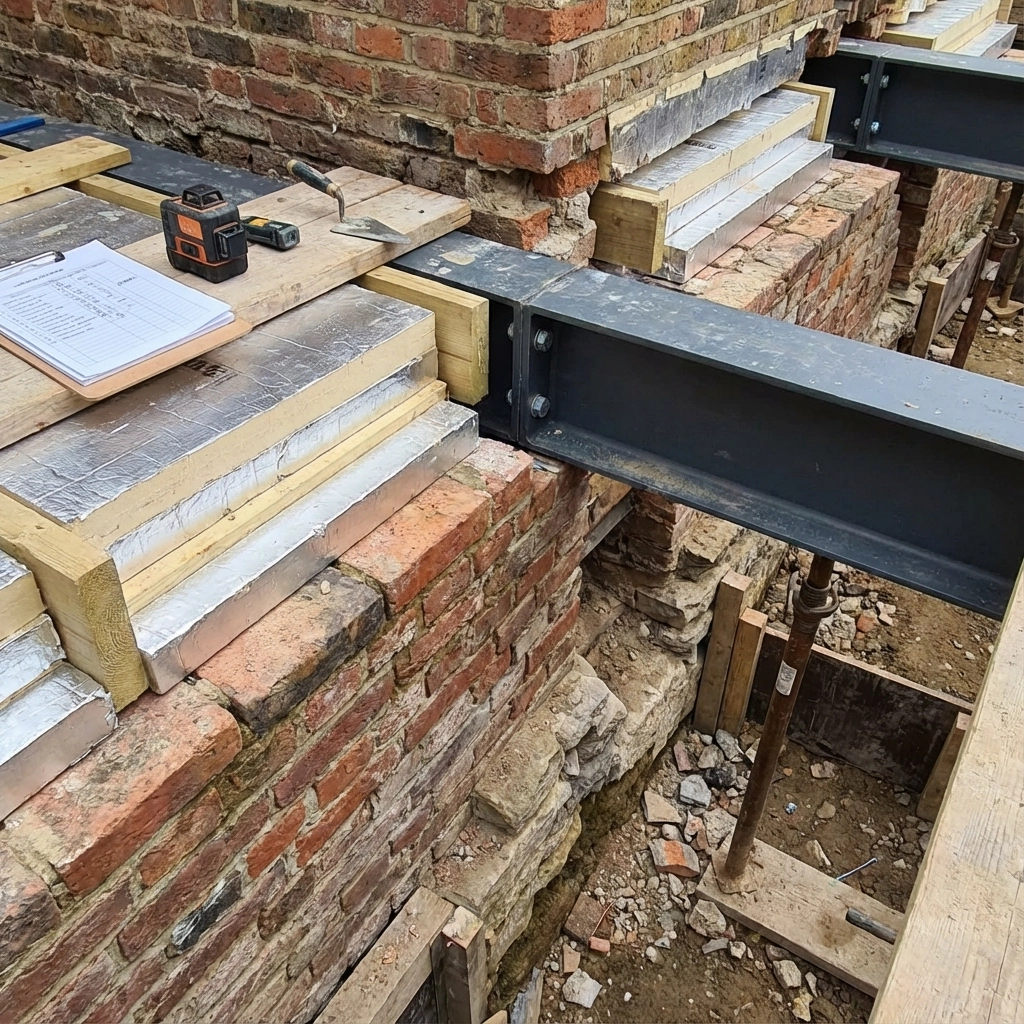
- Foundation work: Victorian and Edwardian properties often require additional structural work
- Material costs: Prices in London are typically 15-20% higher than national averages
- Access challenges: Narrow streets and limited parking can increase labour costs
- Unforeseen issues: Older properties often reveal hidden problems once work begins
Always include a contingency of 10-15% in your budget for unexpected costs that commonly arise in older East London properties.
4. Verify Insurance and Accreditations
Before committing to any design and build company, ensure they have:
- Public liability insurance: Minimum £2 million coverage
- Professional indemnity insurance: For design work
- Employer's liability insurance: If they employ staff directly
- Trade body membership: Such as Federation of Master Builders or Trustmark
- Local authority building control approvals: For previous similar projects
Request to see current certificates rather than just taking their word for it.
5. Understand the Timeline Reality
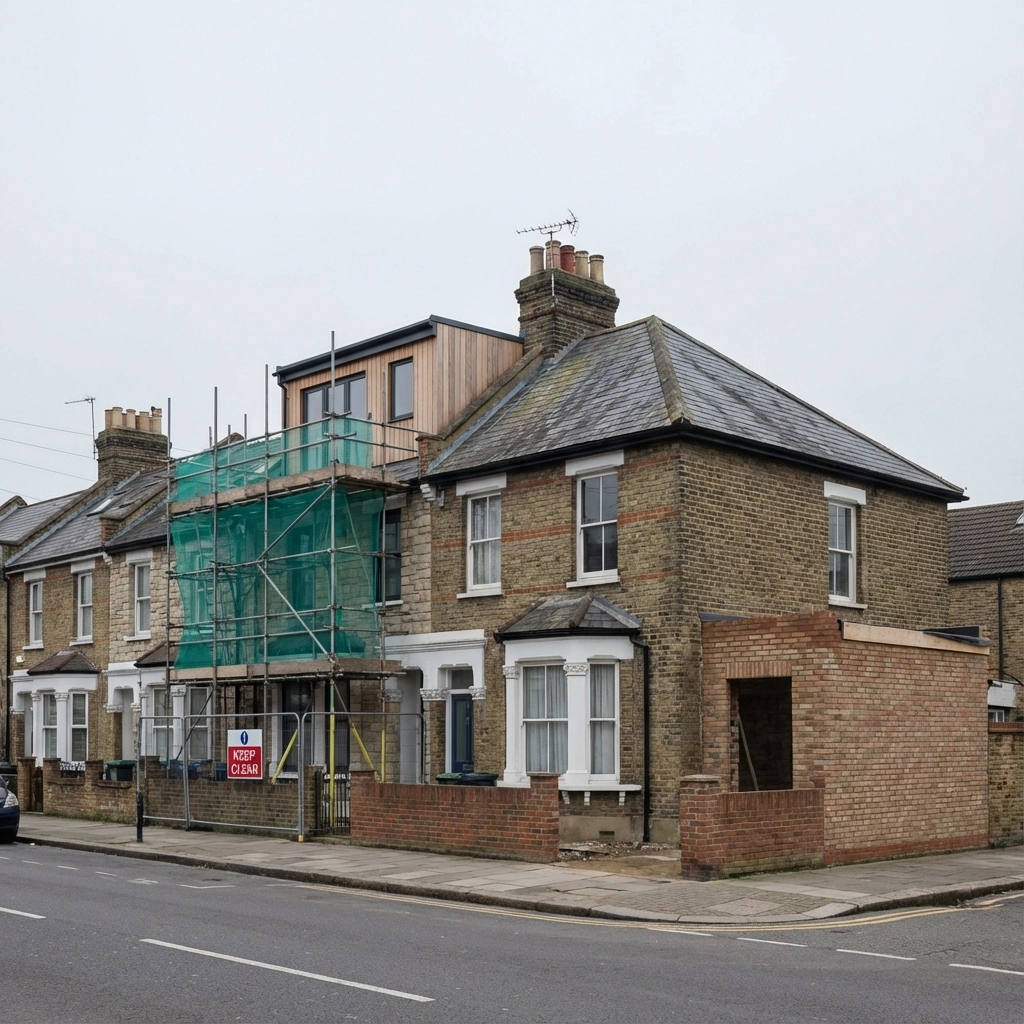
East London projects often take longer than initially anticipated due to:
Common Delays
- Planning permission processing (8-13 weeks for most applications)
- Building control inspections and approvals
- Material delivery challenges in dense urban areas
- Weather delays during external work phases
- Coordination with utility companies for connections
A realistic timeline for a typical extension might be 4-6 months from planning submission to completion, while larger projects can take 8-12 months or more.
6. Check References from Recent Local Projects
Ask potential contractors for references from recent projects in East London, ideally in similar property types to yours. Key questions to ask previous clients:
- Was the project completed on time and budget?
- How did they handle unexpected issues?
- Was the site kept tidy and disruption minimised?
- Would they hire the same company again?
- How was communication throughout the project?
Reputable companies will happily provide recent references and may even arrange site visits to see completed work.
7. Understand Party Wall Requirements
Many East London properties are terraced or semi-detached, making party wall considerations crucial:
- Party Wall Act notices: Required for work affecting shared walls
- Neighbour relations: Good contractors will help manage neighbour communications
- Access agreements: May be needed for scaffolding or equipment
- Structural surveys: Often required to document existing conditions
Factor in 2-3 months for party wall processes before construction can begin.
8. Plan for Disruption and Temporary Living Arrangements
Consider the practical aspects of living through construction:
Disruption Factors
- Dust and noise: Particularly challenging in small London properties
- Utility disconnections: Water, electricity, or gas may need temporary interruption
- Access restrictions: Parts of your home may be inaccessible for weeks
- Parking and storage: Limited space for materials and contractor vehicles
Discuss these practicalities upfront and establish clear agreements about working hours, site cleanliness, and access arrangements.
9. Ensure Clear Contract Terms and Payment Structure
A professional design and build contract should specify:
- Detailed scope of work: Including all materials and finishes
- Clear payment schedule: Typically staged payments linked to project milestones
- Change order procedures: How variations and extras are handled
- Completion criteria: What defines project completion
- Warranty terms: Both materials and workmanship guarantees
Avoid paying large upfront amounts or agreeing to unclear payment terms. Legitimate companies typically request only a small deposit to begin work.
10. Verify Building Regulations Compliance
Your design and build company should handle all building regulation requirements, but ensure you understand:
- Structural calculations: Required for extensions, loft conversions, and major alterations
- Energy efficiency standards: New work must meet current building regulations
- Fire safety requirements: Particularly important for loft conversions and multi-storey extensions
- Final certificates: You'll need these for insurance and future sale purposes
Request copies of all building control approvals and final completion certificates for your records.
Making the Right Choice for Your East London Project
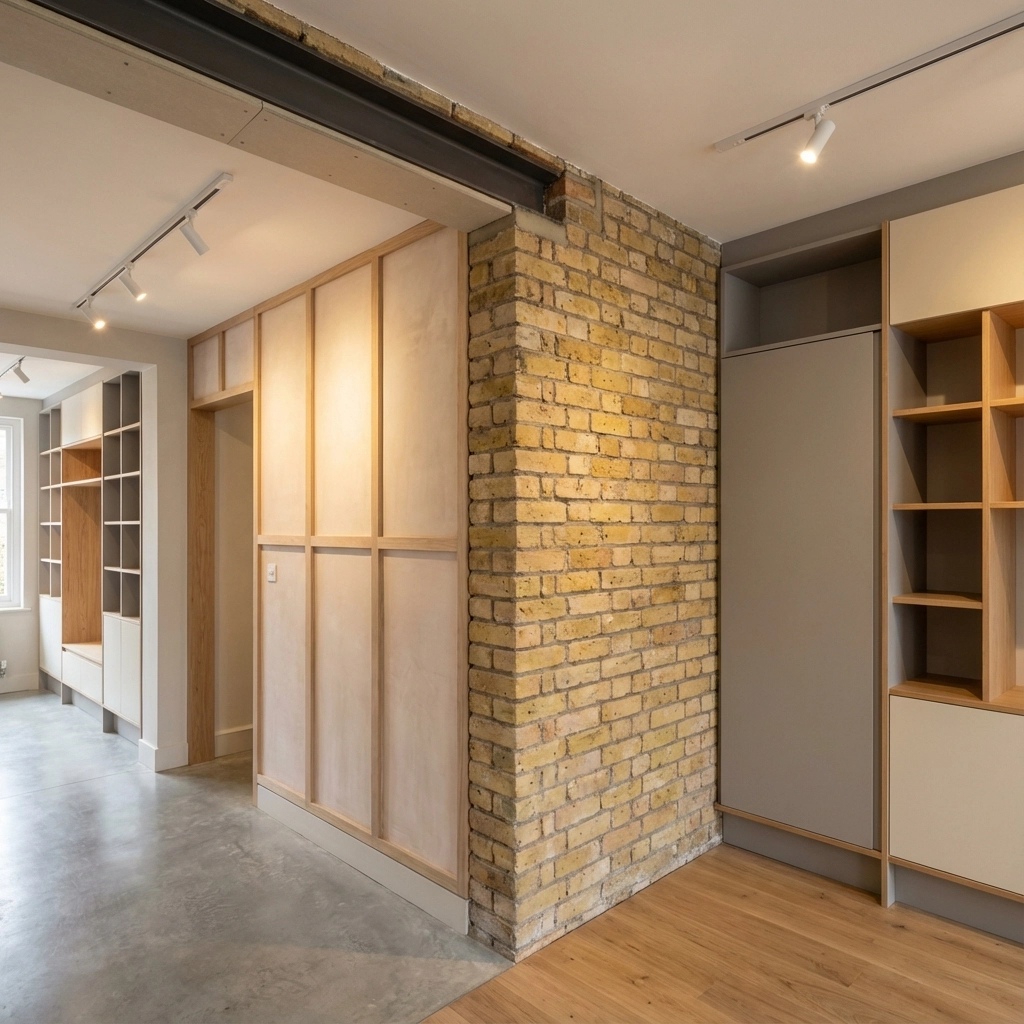
Choosing the right design and build company for your East London project requires careful consideration of local expertise, proven track records, and clear communication. The complexity of working in London's dense urban environment, combined with the specific requirements of different boroughs, makes local experience invaluable.
Take time to interview multiple companies, check their recent work, and ensure they understand both your vision and the practical challenges of your specific location. A good design and build partnership should feel collaborative, with clear communication and realistic expectations set from the start.
Remember that the cheapest quote is rarely the best value, particularly in East London where quality workmanship and local expertise command appropriate fees. Focus on finding a company that demonstrates professionalism, has strong local references, and communicates clearly about timelines, costs, and potential challenges.
If you're planning a design and build project in East London, WJ Construction can help you navigate the planning, design, and construction process with confidence. Contact us to discuss your project requirements and explore how we can bring your vision to life.