
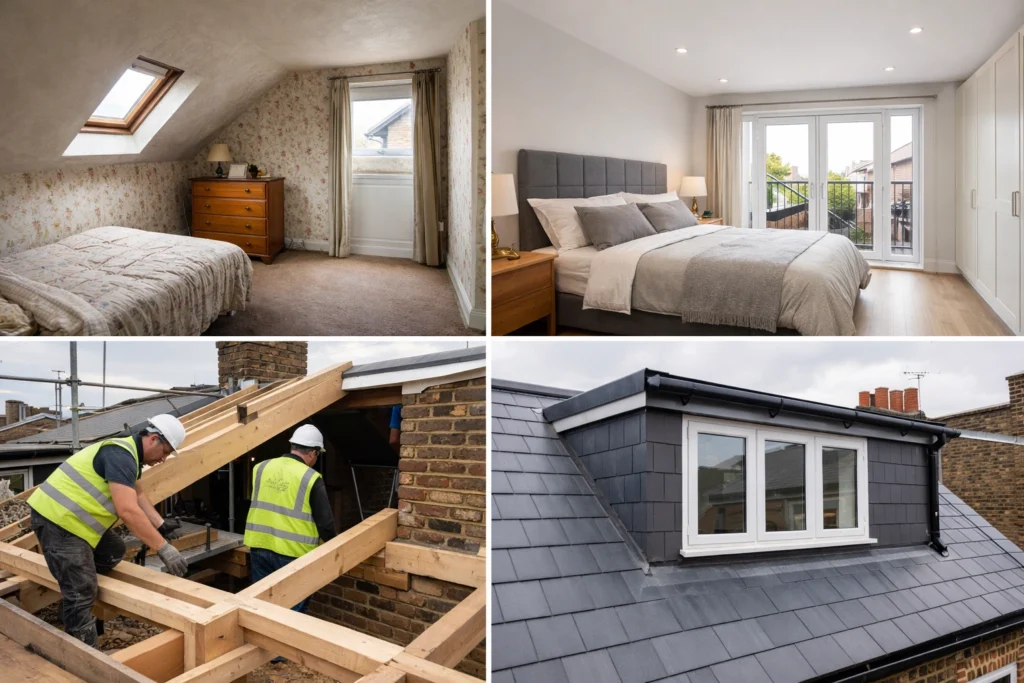
For many homeowners in East London and West Essex, the decision to create more space usually comes down to two choices: moving to a larger property or extending the one they already have. With the current property market and the high costs associated with stamp duties and legal fees, converting an underutilised attic into a functional living space has become the most strategic way to add both square footage and significant market value.
However, once you decide to proceed, you are immediately faced with a technical choice. Should you opt for a Dormer, a Hip to Gable, or a Mansard conversion? Each style offers different benefits in terms of volume, aesthetics, and cost. Understanding these differences is critical to making sure your project meets your family’s needs while staying within budget and complying with local planning regulations.
The Dormer Loft Conversion: The Versatile All-Rounder
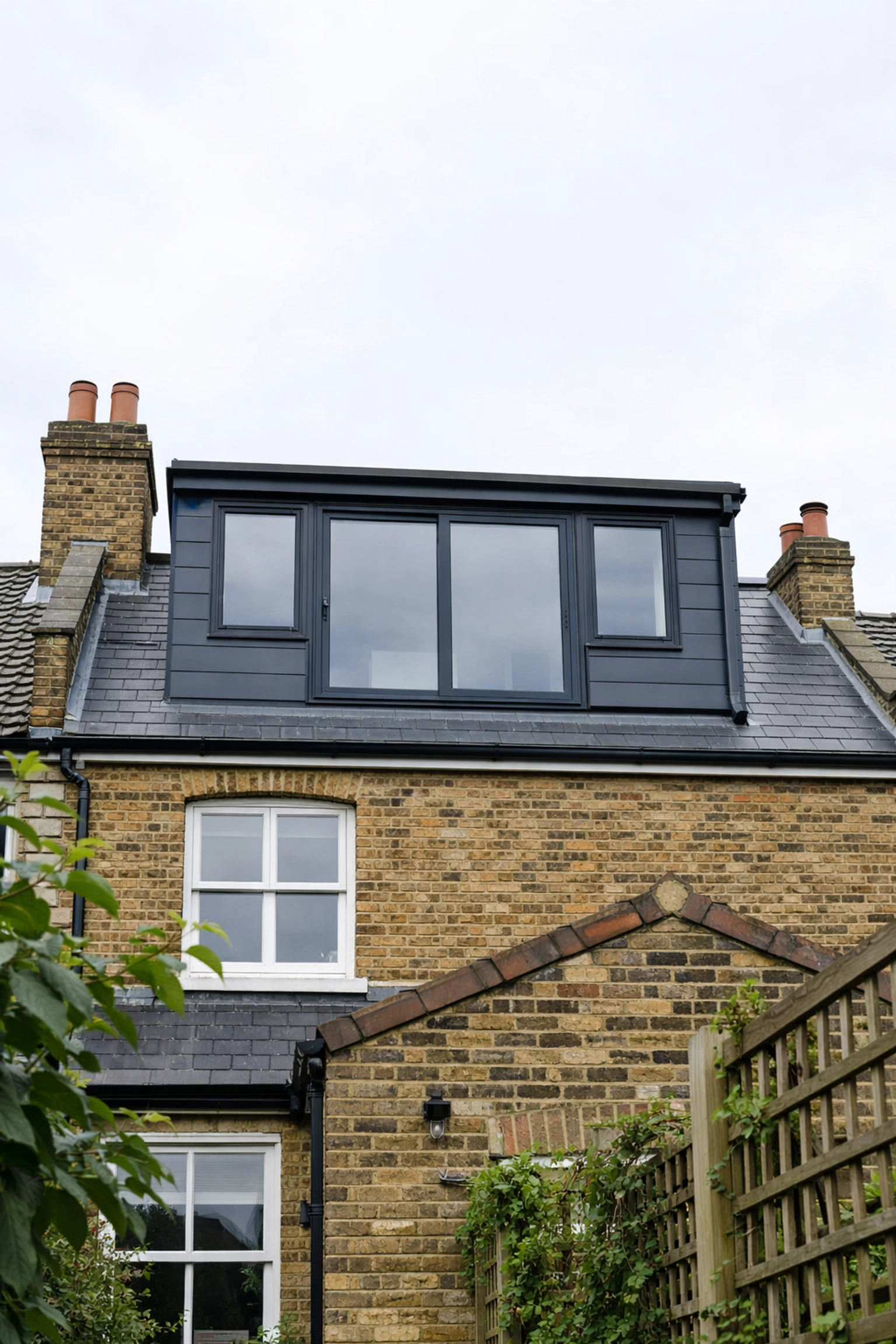
The Dormer loft conversion is the most popular type of attic extension in the UK, particularly across areas like Walthamstow and Chingford. A Dormer is essentially a structural extension that projects vertically from the plane of a sloping roof. This creates a box-like shape that provides additional headroom and floor space.
Why Homeowners Choose Dormers
The primary reason for the Dormer’s popularity is its balance between cost and space. Because the structure is built out of the existing roof, it is generally more affordable than a Mansard conversion.
Standard Dormers often fall under “Permitted Development,” meaning you may not need full planning permission, provided certain criteria are met. This can significantly speed up the pre-construction phase of your loft conversion epping.
Pros:
- Headroom: It creates vertical walls and a flat ceiling, making the room feel like a standard floor rather than an attic.
- Natural Light: Large windows or even French doors with a Juliet balcony can be easily integrated.
- Cost-Effective: Usually the most budget-friendly way to gain a significant amount of space.
Cons:
- Aesthetics: From the outside, some feel that “box” Dormers can look slightly less integrated than other styles, though clever design and matching materials can mitigate this.
The Hip to Gable Loft Conversion: Perfect for Semi-Detached Homes
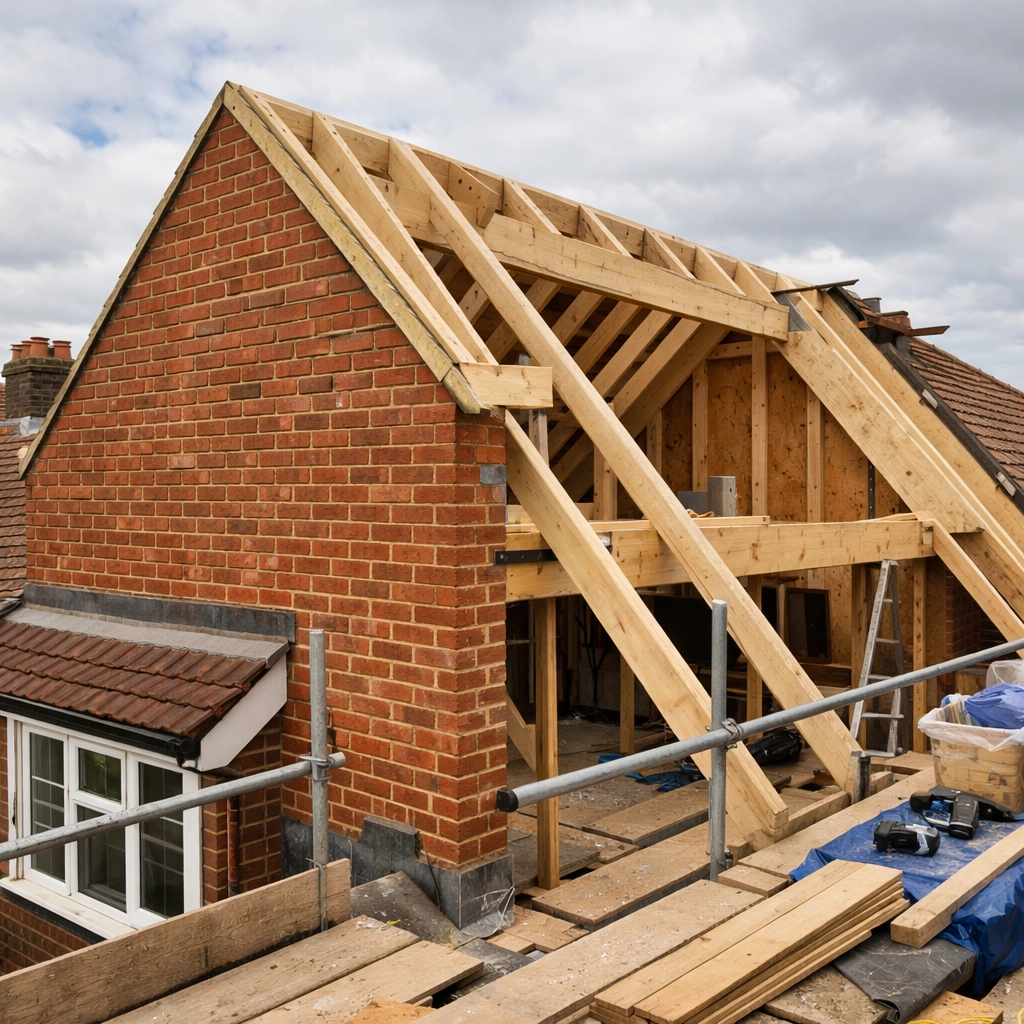
If you live in a semi-detached or end-of-terrace property with a “hipped” roof (one that slopes on three sides), a Hip to Gable conversion is often the most effective solution. This style involves extending the sloping “hip” side of your roof outwards to create a vertical “gable” wall.
Maximising the Footprint
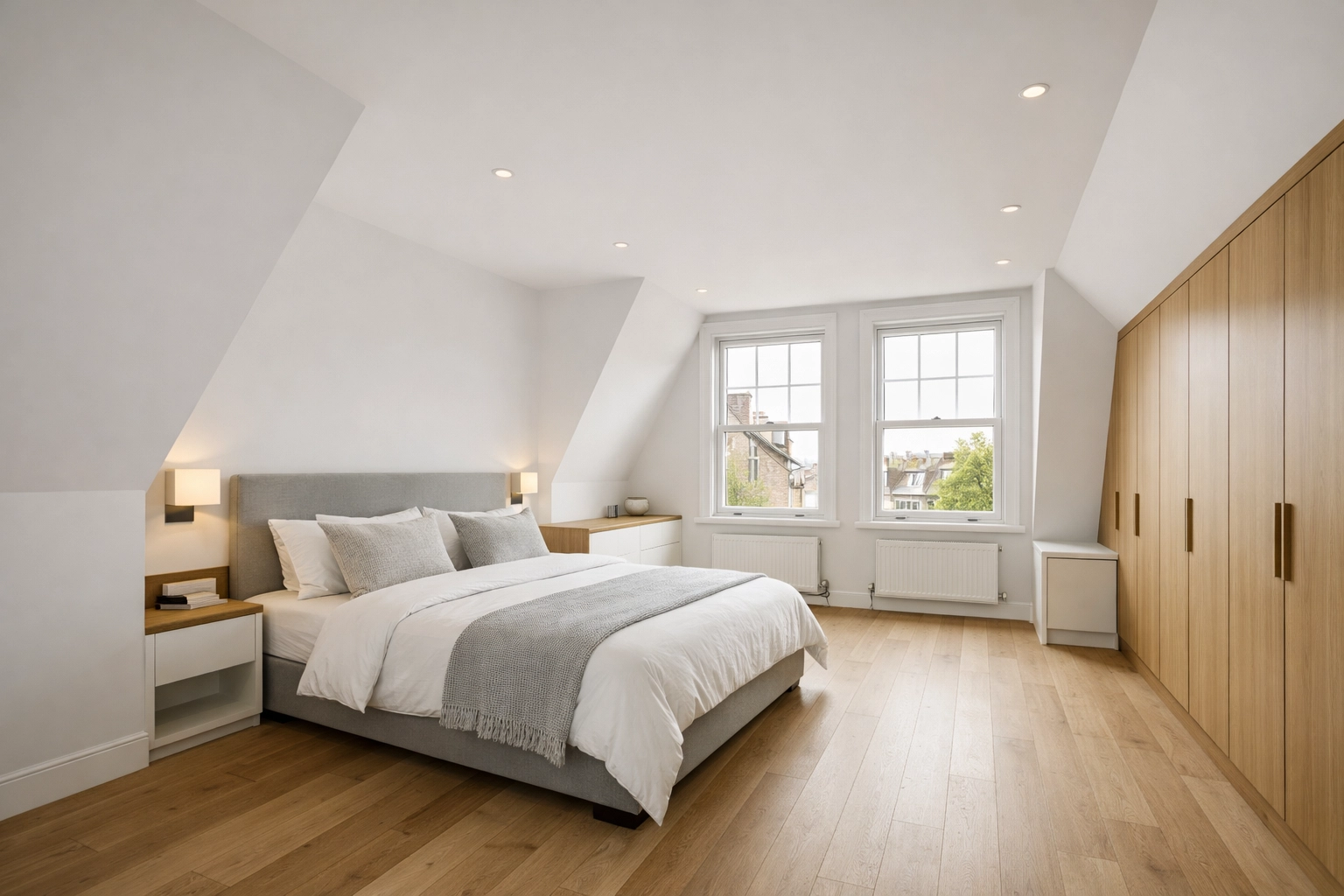
By changing the roof structure from a slope to a vertical wall, you essentially expand the entire width of the house at the top level. This is particularly useful in East London homes where the original attic space might feel cramped or narrow.
For many projects we undertake, a hip-to-gable is combined with a rear dormer to create a massive amount of internal space: often enough for a large master suite and a separate home office.
Pros:
- Internal Volume: Provides the most significant increase in usable floor space for semi-detached properties.
- Symmetry: It makes the loft feel like a natural continuation of the lower floors.
- Staircase Placement: It often makes it easier to position the new staircase above the existing one, saving space on the first floor.
Cons:
- Limited Suitability: This option is only available for detached, semi-detached, or end-of-terrace houses. Mid-terrace homes do not have a “hip” to convert.
- Construction Time: It is a more significant structural change than a simple Dormer, requiring more time on-site.
The Mansard Loft Conversion: The Premium Aesthetic Choice
Named after the 17th-century French architect François Mansart, the Mansard conversion is often considered the most aesthetically pleasing and “high-end” option. It involves replacing one or both slopes of the roof with very steep sides (almost vertical, usually at a 72-degree angle) and a flat roof on top.
The Architect’s Favourite
Mansard conversions, which involve adding a distinctive style of roof that creates an extra storey, are very common in older, period parts of London. Because they look like an extra storey rather than an addition to the roof, they are often preferred by planning officers in conservation areas or on heritage streets.
If you are looking for a design and build East London service that prioritises architectural integration, a Mansard is likely the right path.
Pros:
- Maximum Space: Like the hip to gable, it provides a huge amount of room, but it does so across the entire length of the property.
- Style: It blends seamlessly with the existing building, often looking like the house was originally built that way.
- Value: Because of the high-quality finish and massive space gain, it typically adds the most value to the property.
Cons:
- Cost: This is the most expensive type of conversion due to the extensive structural work required.
- Planning Permission: Almost always requires a full planning application, as it changes the shape of the roof significantly.
Which Conversion Suits Your Area?
At WJ Construction Ltd, we have spent over 20 years navigating the specific architectural and planning landscapes of East London and West Essex. Each area has its own “personality” and set of rules.
Epping and Loughton
In areas like Epping, properties often sit on larger plots, making Hip to Gable conversions very popular for the local semi-detached stock. However, since parts of the area are near protected forests or within specific planning zones, local knowledge is essential. You can learn more about specific requirements in our guide: do I need planning permission for a loft conversion in Epping?
Walthamstow and Chingford
The Victorian and Edwardian terraces of Walthamstow are perfectly suited for L-shaped Dormer conversions. These wrap around the back of the house, often providing enough room for two bedrooms and a bathroom. In more suburban Chingford, where 1930s semis are common, the Hip to Gable remains the gold standard for adding space.
Comparing the Options at a Glance
| Feature | Dormer | Hip to Gable | Mansard |
|---|---|---|---|
| Best For | Terraced houses / Budget-conscious | Semi-detached / End-of-terrace | Period properties / Max space |
| Space Gain | Good | Excellent | Maximum |
| Planning | Often Permitted Development | Often Permitted Development | Usually requires full Planning |
| Aesthetic | Functional | Balanced | High-end / Integrated |
| Relative Cost | Lower | Mid-range | Higher |
Planning Your Project: Practical Considerations
Before you decide on a style, there are several practical factors to consider that will influence the feasibility of your loft conversions.
- Head Height: You generally need a minimum of 2.2 metres from the bottom of the ridge timber to the top of the ceiling joist for a conversion to be viable. If you have less, you might need to consider lowering the ceilings on the floor below: a complex but rewarding task.
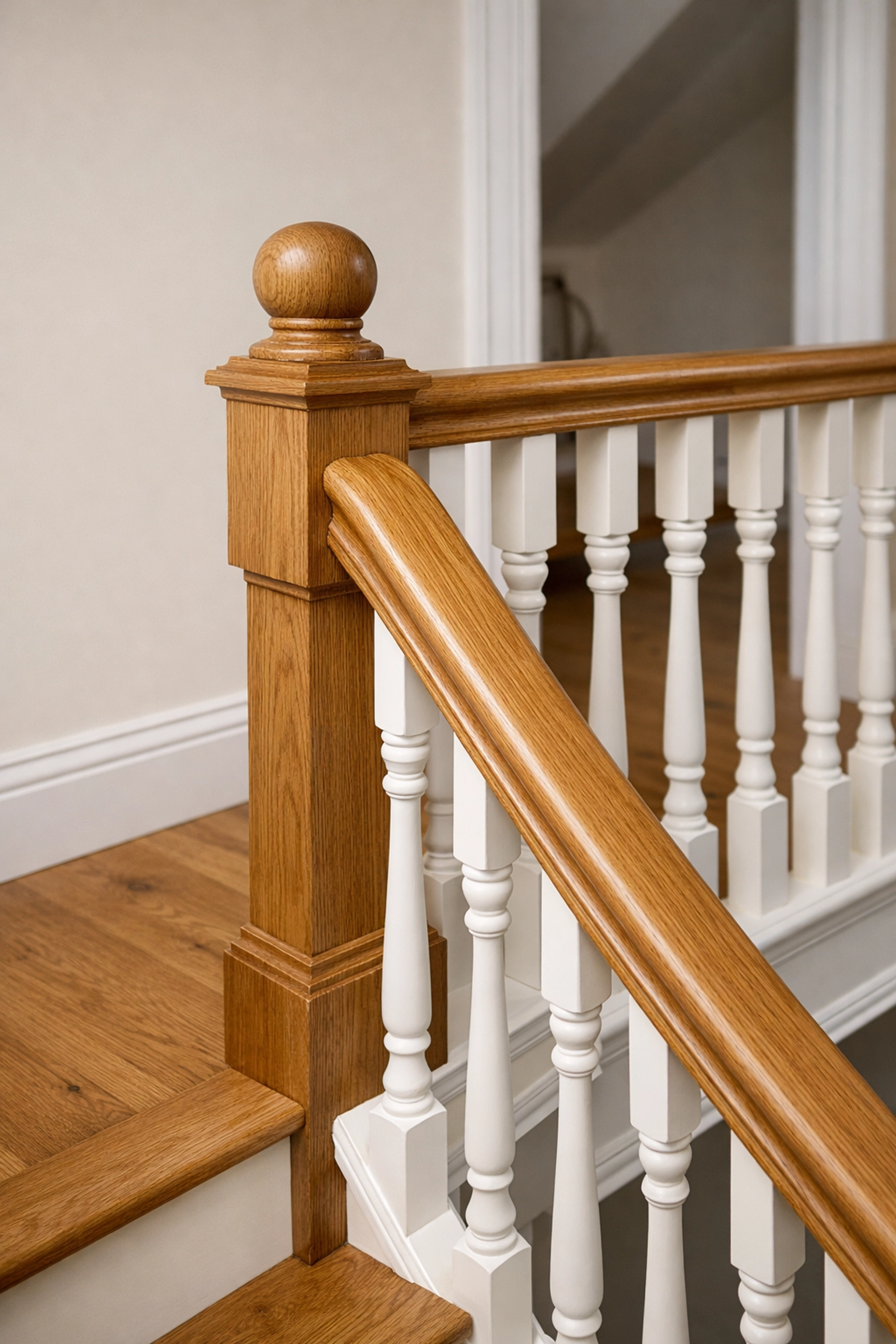
- The Staircase: This is the most overlooked part of loft planning. The stairs need to be functional and meet fire safety regulations without ruining the layout of your current first floor.
- Party Wall Agreements: If you are in a terraced or semi-detached house, you will likely need a Party Wall Agreement with your neighbours before work begins. This is a legal requirement when you are working on a shared wall.
- Structural Integrity: A loft conversion adds significant weight to a house. A professional builder will ensure that your foundations and existing walls can handle the load, often installing steel beams to support the new floor.
Why Experience Matters
With two decades of experience in the industry, WJ Construction Ltd understands that a loft conversion is more than just a building project; it is an investment in your home’s future. We have seen every type of roof and navigated every type of planning hurdle across East London.
Whether you are looking at a loft conversion in Walthamstow or a complex Mansard in a conservation area, our goal is to provide clarity and reassurance throughout the process. We handle the complexities so that you can focus on the exciting part: choosing the finishes for your new space.
Conclusion
Choosing between a Dormer, Hip to Gable, or Mansard loft conversion depends on your property type, your goals for the space, and your budget. A Dormer offers great value and ease; a Hip to Gable provides incredible volume for semi-detached homes; and a Mansard offers the ultimate in architectural style and space.
If you are unsure which path is right for your home, the best next step is to speak with a specialist who knows the local area and the structural requirements of London’s diverse housing stock.
If you’re planning a similar project in London or West Essex, WJ Construction Ltd can advise on the best approach for your specific property.