
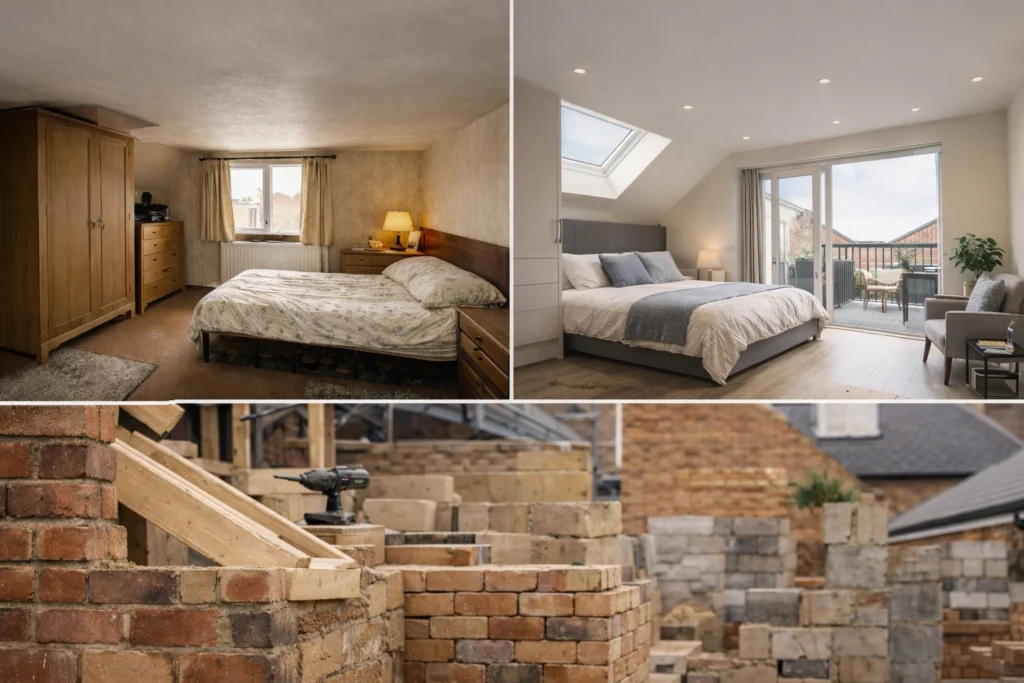
As a homeowner, one of your most important choices is selecting the best builder for your Chingford project. Whether you are planning a sophisticated loft conversion, a spacious kitchen extension, or a full-scale property refurbishment, the quality of your contractor determines not just the final look of your home but your peace of mind throughout the process. In a competitive London market, finding the best “Chingford builders” who are reliable, skilled, and transparent can feel overwhelming. This guide outlines ten essential factors every homeowner should consider to ensure their project is delivered on time, on budget, and to an exceptional standard.
1. Local Knowledge of Waltham Forest Regulations
Hiring a builder who specifically understands the Chingford area and the wider London Borough of Waltham Forest is a distinct advantage. Local knowledge extends beyond knowing the best places to source materials; it involves a deep understanding of local planning nuances and building control requirements.
Chingford has a diverse range of property styles, from Victorian and Edwardian terraces to 1930s semi-detached homes and modern developments. Each comes with its own structural quirks. Furthermore, a local builder will be familiar with the logistics of working in E4, such as parking permits for skips, narrow access roads, and the specific expectations of local building inspectors. This familiarity often prevents costly delays and administrative headaches, ensuring that projects proceed smoothly and meet local regulations without unexpected interruptions.
2. Verified Accreditations and Memberships
Professionalism in the construction industry is often signalled by membership in recognised trade bodies. When vetting builders, look for those associated with organisations such as the Federation of Master Builders (FMB), TrustMark, or the Guild of Master Craftsmen.
These memberships are not just badges; they require builders to undergo inspections and adhere to a strict code of practice. For a homeowner, this provides a layer of protection and an avenue for dispute resolution should anything go wrong. Ensure to confirm these memberships on the official trade body websites, instead of blindly accepting a logo on a van.
3. The Difference Between an Estimate and a Quote
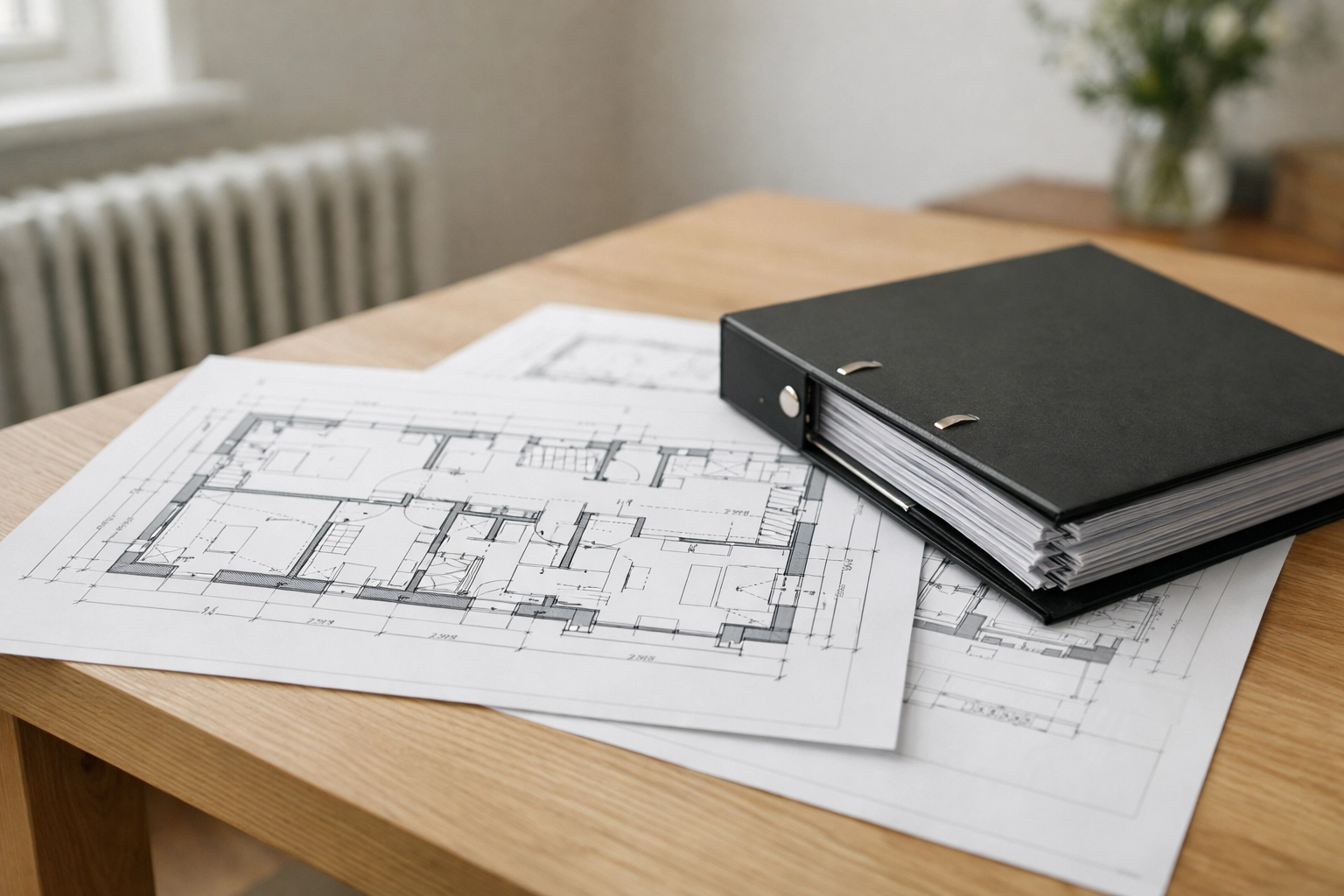
One of the most common pitfalls for homeowners is failing to distinguish between a “ballpark estimate” and a “fixed-price quote.” An estimate is an educated guess and is subject to change as the project progresses. A quote, however, should be a detailed breakdown of costs based on specific architectural drawings and a scope of works.
When comparing house extensions or loft conversion prices, ensure you are comparing like-for-like. A significantly lower quote often means certain elements: such as structural steels, high-end finishes, or waste removal: have been omitted. A professional builder will provide a transparent, itemised document that leaves little room for “hidden surprises.”
4. Insurance and Public Liability
Before any work begins on your property, you must confirm that your builder holds valid insurance. This should include:
- Public Liability Insurance: Protects against damage to your property or injury to third parties.
- Employer’s Liability Insurance: Covers the workers on-site.
- Contract Works Insurance: Covers the work in progress and materials on-site against risks like fire or theft.
As a homeowner, you should also notify your own building insurance provider about the planned works. Working with uninsured builders puts your financial security and your property at significant risk.
5. Check Local References (Not Just Online Reviews)
While online platforms like Checkatrade and TrustATrader provide a helpful starting point, they should not be your only source of truth. Ask a prospective builder for references from recent projects within the Chingford or East London area.
A reputable builder should be happy to provide contact details for past clients. When speaking to these references, ask specific questions:
- Did the builder stick to the agreed timeline?
- Was the site kept tidy and safe?
- How did they handle unexpected structural issues?
- Was the communication clear and consistent?
If possible, visiting a completed project in person allows you to inspect the quality of the finish firsthand.
6. Understanding the Design and Build Process
Many homeowners find the traditional route: hiring an architect first, then finding a builder: to be fragmented and stressful. This is why “Design and Build” services are becoming increasingly popular in East London.
By choosing a design and build East London service, you consolidate the responsibility. The architectural design, structural engineering, and actual construction are handled by a single entity. This often leads to better communication, more accurate costings from the outset, and a more cohesive workflow. It eliminates the “blame game” that can sometimes occur between architects and contractors.
7. Realistic Timelines and Project Management
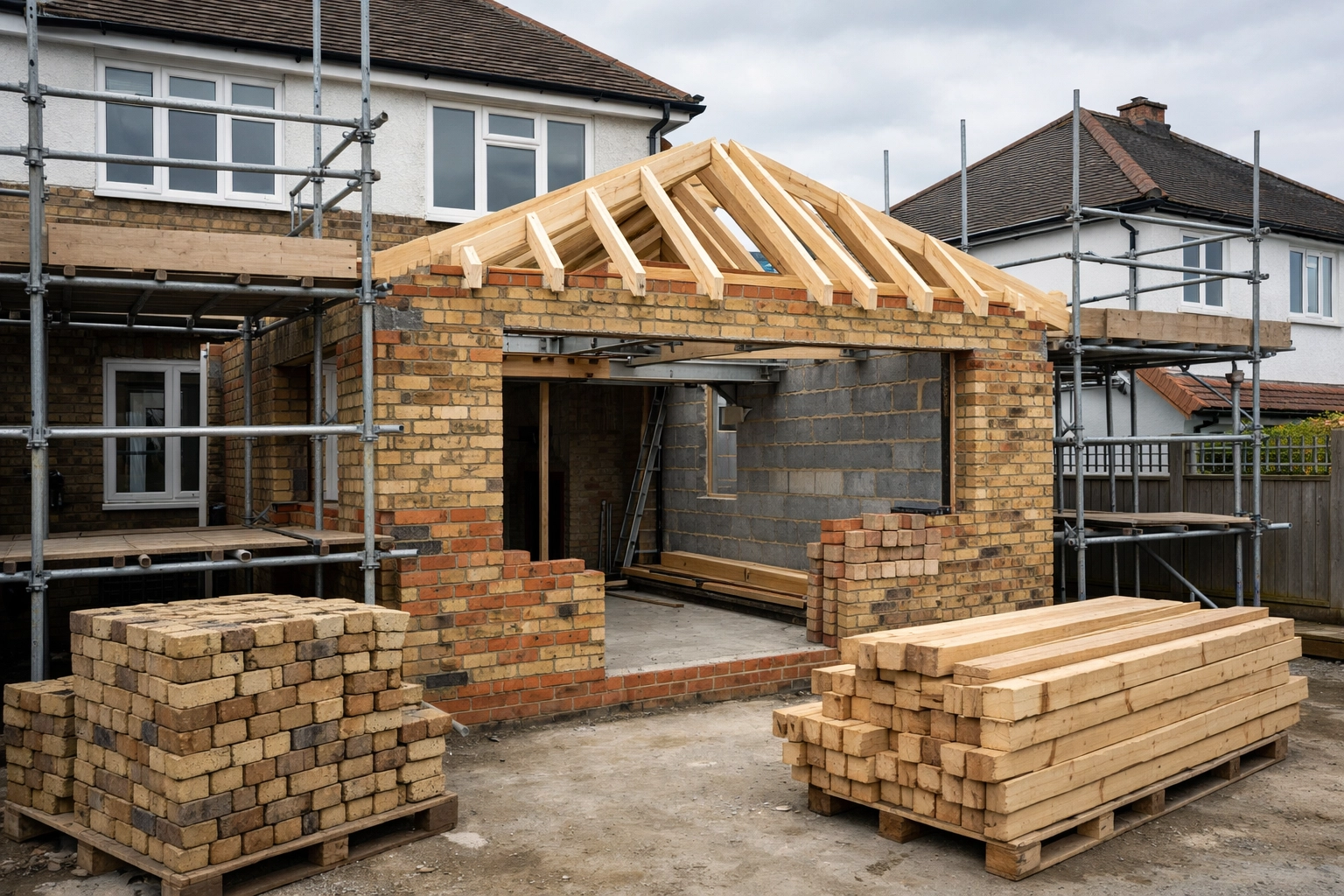
Construction projects, particularly loft conversions, involve multiple stages: demolition, structural work, first fix (plumbing/electrics), plastering, and second fix (finishing). A professional builder will provide a realistic programme of works.
Be wary of any contractor who promises an unnaturally fast turnaround. Quality construction takes time, especially in London where weather and logistics can play a role. A good builder will have a dedicated project manager or a lead foreman who serves as your primary point of contact, ensuring you are updated on progress and any necessary adjustments to the schedule.
8. Subcontractors vs. In-House Teams
It is common for building firms to use subcontractors for specialised trades like gas engineering (Gas Safe) or electrical work (NICEIC). What matters is how these subcontractors are managed.
Ask the builder if they have a consistent team of tradespeople they work with regularly. Firms that rely on “off-the-street” labour for every project may struggle with quality control. A consistent team usually implies a higher standard of workmanship and better reliability, as the tradespeople are familiar with the builder’s expectations and the company’s standards.
9. Staged Payment Schedules
A red flag in the construction industry is a builder who asks for a large percentage of the total cost upfront. Professional “chingford builders” will typically operate on a staged payment schedule.
A standard schedule might look like this:
- A small deposit to secure the start date and cover initial material costs.
- Interim payments based on completed milestones (e.g., foundations laid, roof watertight, plastering finished).
- A final “retention” payment (usually 2.5% to 5%) held back until the “snagging list” is fully completed.
This structure protects the homeowner by ensuring that money is only released as tangible value is added to the property.
10. Aftercare and Guarantees
The relationship with your builder shouldn’t end the moment the last coat of paint is dry. New structural work often goes through a “settling” period, which can lead to minor hairline cracks in plaster or adjustments needed for doors and windows.
Ensure your contract includes a defects liability period (usually six to twelve months) during which the builder is obligated to return and fix minor issues. Furthermore, major structural work should come with a long-term guarantee. Knowing that your builder stands by their work long after they have left the site is the ultimate mark of a professional.
Planning Your Next Project in Chingford
The key to a successful home transformation lies in preparation and partnership. By focusing on these ten factors, you move away from the uncertainty of “hiring a builder” and toward securing a professional team that respects your home and your investment.
If you are planning a project and want to ensure it is handled with the precision and care it deserves, WJ Construction Ltd has extensive experience across Chingford and East London. From initial concepts to the final finishing touches, we prioritize clarity, quality, and structural integrity.
If you’re planning a similar project in London, WJ Construction can advise on the best approach. Get in touch to discuss your plans and next steps.