
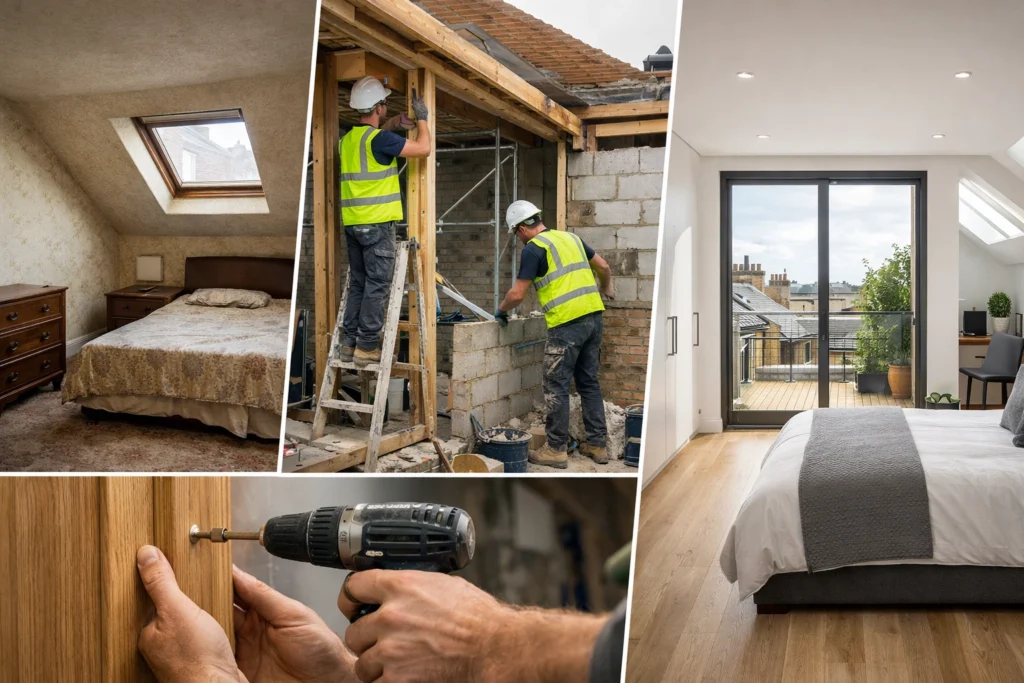
Embarking on a home renovation, extension, or loft conversion in East London is a significant undertaking. For many homeowners, the traditional route involves hiring an architect to draw plans and then finding a separate builder to execute them. However, in 2026, more residents in areas like Walthamstow, Epping, and Chigwell are turning to the "Design and Build" model. This streamlined approach combines architectural design and construction services under one roof.
Choosing the right service provider is the most critical decision you will make. This guide compares the traditional approach with the design and build model and provides a framework to help you select the best service for your specific project.
Understanding the Design and Build Model
The design and build (D&B) model is a project delivery system where the design and construction phases are handled by a single entity. Instead of managing a separate architect and a main contractor, the homeowner has one point of contact from the initial sketches to the final coat of paint.
In East London’s competitive property market, efficiency is paramount. A D&B firm typically employs in-house architects, structural engineers, and project managers. This internal collaboration ensures that the design is not only aesthetically pleasing but also structurally feasible and within your specified budget.
The Traditional Approach vs. Design and Build
To choose the best service, it is helpful to compare the two primary ways of managing a London home improvement project:
1. The Traditional Route (Design-Bid-Build)
- Process: You hire an architect to create designs. Once approved, you put the project out to tender to various builders.
- Pros: Independent design perspective; potentially lower initial design fees.
- Cons: Potential for conflict between the architect and builder; "design creep" where the plans exceed the budget; longer timelines due to the bidding process.
2. The Design and Build Route
- Process: One firm handles everything from concept and planning permissions to the actual construction.
- Pros: Single point of responsibility; more accurate cost estimates early on; faster project delivery; reduced administrative burden for the homeowner.
- Cons: Less perceived "checks and balances" if the firm is not transparent; requires high trust in a single company.
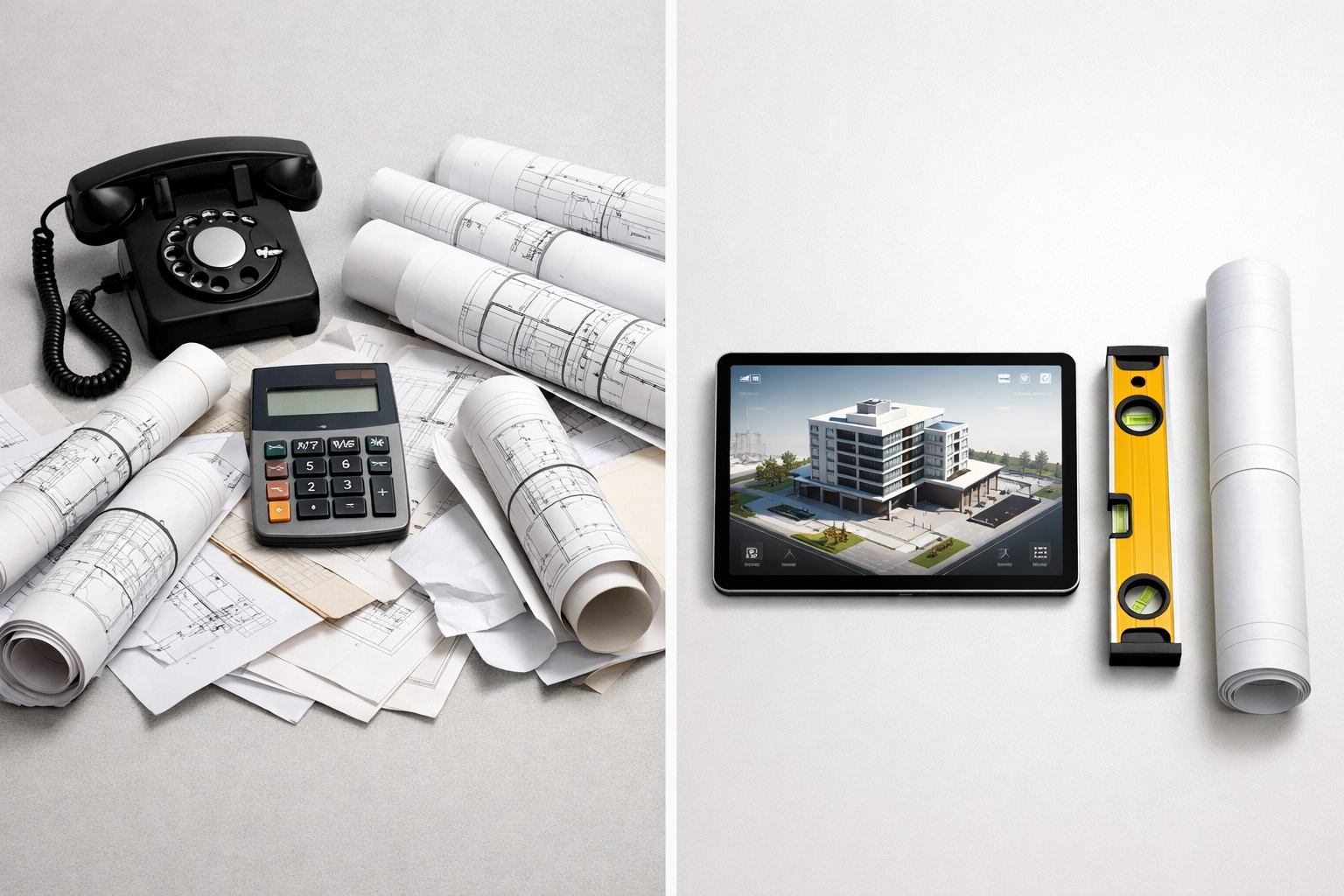
Visual Description: A side-by-side comparison chart showing the simplified communication lines of a Design and Build project versus the complex lines of a traditional project. Ensure all text is centered and does not bleed off the top edge.
Why Design and Build is Effective for East London Homeowners
East London presents unique challenges, from the Victorian terraces of Walthamstow to the stricter planning regulations in Epping Forest. A specialized design and build East London service understands these local nuances.
Efficiency and Communication
When the designer and the builder work for the same company, communication is seamless. If a structural issue arises during a loft conversion in Walthamstow, the builder can consult the in-house designer immediately. This prevents the delays common in traditional projects where an architect might take days to respond to a builder’s query on-site.
Budget Control
One of the greatest fears for London homeowners is the "budget blowout." In the traditional model, an architect may design a beautiful extension that costs significantly more to build than the homeowner anticipated. A D&B firm provides cost certainty early in the process because the builders are involved in the design phase, ensuring the plans align with realistic construction costs.
Key Factors to Evaluate When Comparing Services
Not all design and build firms offer the same level of service. To find the best partner for your project, consider these five criteria:
1. In-House Expertise
Check if the firm actually employs its specialists or if they simply subcontract everything. The best providers have architect-led teams that include structural engineers and experienced project managers. This "under one roof" approach is what truly drives the efficiency of the D&B model.
2. Local Planning Knowledge
Planning permission in East London can be a minefield. Whether you are dealing with Waltham Forest or Epping Forest District Council, local knowledge is a "secret weapon." A firm that understands local precedents is more likely to secure approval for your house extension or loft conversion. You can learn more about specific local requirements in our guide on planning permission in Epping.
3. Transparent Pricing and Contracts
Avoid firms that provide vague estimates. A reputable design and build service will offer a detailed breakdown of costs. This transparency helps you avoid the hidden expenses that often plague poorly planned projects.
4. Portfolio and Track Record
Look for a company with a proven track record in your specific type of project. If you are planning a high-end renovation, look for examples of their work in Chigwell or Loughton. Physical evidence of quality finishes is more valuable than any sales pitch.
5. Client Communication Portals
Modern construction firms often use project management software that allows homeowners to track progress, view schedules, and approve designs in real-time. This level of technical integration is a sign of a professional, organized service.
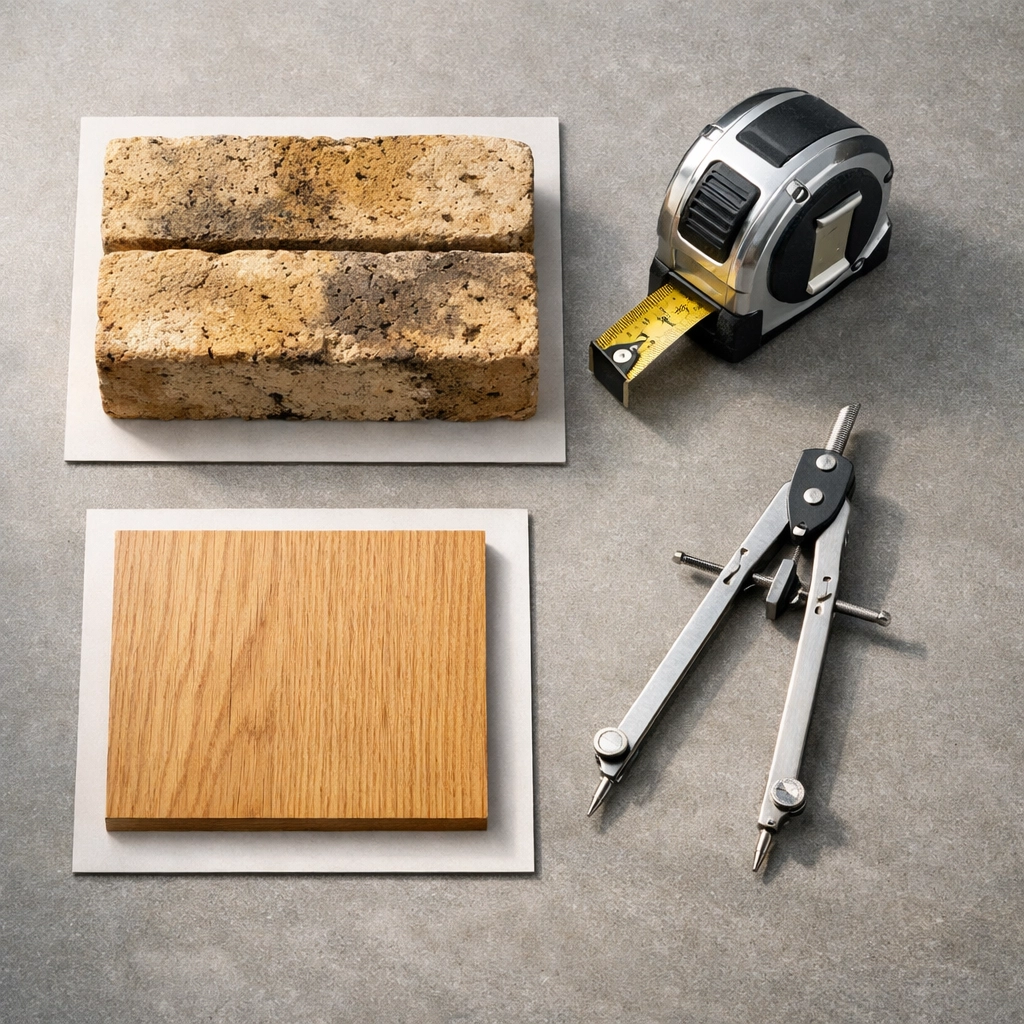
Visual Description: A checklist for homeowners titled "Design and Build Provider Vetting Checklist," featuring points like "In-house Architect," "Local Planning Success," and "Fixed-Price Quote." Ensure text is centered and does not bleed off the top edge.
The Design and Build Process: Step-by-Step
Understanding the workflow of a design and build project can help reduce the anxiety associated with large-scale renovations.
Phase 1: Consultation and Feasibility
The process begins with an initial meeting to discuss your vision and budget. The firm will assess the feasibility of your ideas, considering local building regulations and structural requirements.
Phase 2: Architectural Design and Planning
The in-house design team creates detailed plans. This stage includes managing the planning permission application. For those in specific areas, knowing 10 things before starting a project can be incredibly helpful for setting expectations during this phase.
Phase 3: Pre-Construction and Technical Design
Once planning is granted, the team develops technical drawings, structural calculations, and a detailed specification of works. This is where your fixed price is typically finalized.
Phase 4: The Build
Construction begins under the supervision of a dedicated project manager. Because the build team was involved in the design, they hit the ground running with a deep understanding of the project's technical requirements.
Phase 5: Handover and Aftercare
After the final inspection and building control sign-off, the project is handed over. A professional firm will also provide an aftercare period to address any minor snags that might appear as the building settles.
Visual Description: A clean, five-step infographic showing the timeline from "Initial Consultation" to "Completion and Handover." Ensure all text is centered and does not bleed off the top edge.
Common Mistakes to Avoid When Choosing a Builder
Even when opting for the design and build route, pitfalls exist. Homeowners often make the mistake of choosing the lowest quote without investigating what is included. In the construction industry, a significantly lower price often indicates that something: whether quality of materials or insurance coverage: is being sacrificed.
Another common error is failing to check references. A reliable builder should be able to put you in touch with past clients in East London. Hearing firsthand about a company's ability to stick to timelines and handle disruption is invaluable.
Realistic Timelines for East London Projects
While every project is unique, having a general idea of timelines helps in planning your life during the works.
- Design and Planning Phase: 8 to 16 weeks (including the 8-week statutory period for planning decisions).
- Pre-construction (Sourcing materials and scheduling): 2 to 4 weeks.
- Construction (Loft Conversion): 8 to 12 weeks.
- Construction (Large Extension): 16 to 24 weeks.
Using a design and build service can often shave 4 to 6 weeks off the total project duration by overlapping the design finalization with the mobilization of the construction team.
Achieving High-Quality Results
The ultimate goal of choosing a design and build East London service is to achieve a high-quality finish with minimal stress. By integrating the design and construction expertise, you reduce the risk of technical errors and ensure that the aesthetic vision you started with is exactly what is delivered.
Whether you are looking to add value to your property in Loughton or simply need more space for a growing family in Walthamstow, the right partner makes all the difference.
Making the Final Decision
When you compare services, don't just look at the price. Look at the value, the team's communication style, and their understanding of your local area. A professional, reassuring partner will guide you through the complexities of London construction, turning a potentially stressful experience into a rewarding transformation of your home.
If you are planning a design and build project in East London, WJ Construction Ltd can advise on the best approach for your specific property and needs.
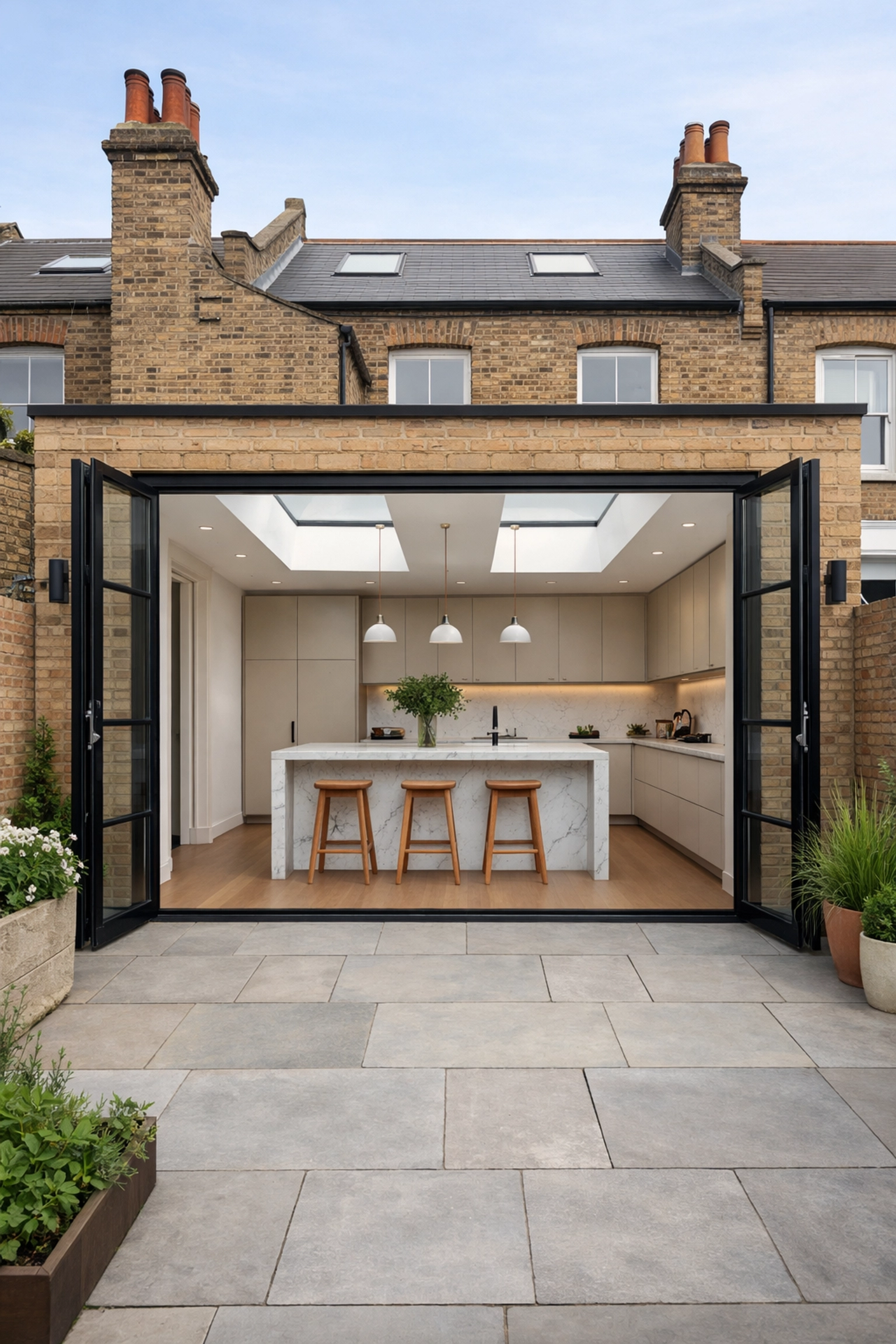
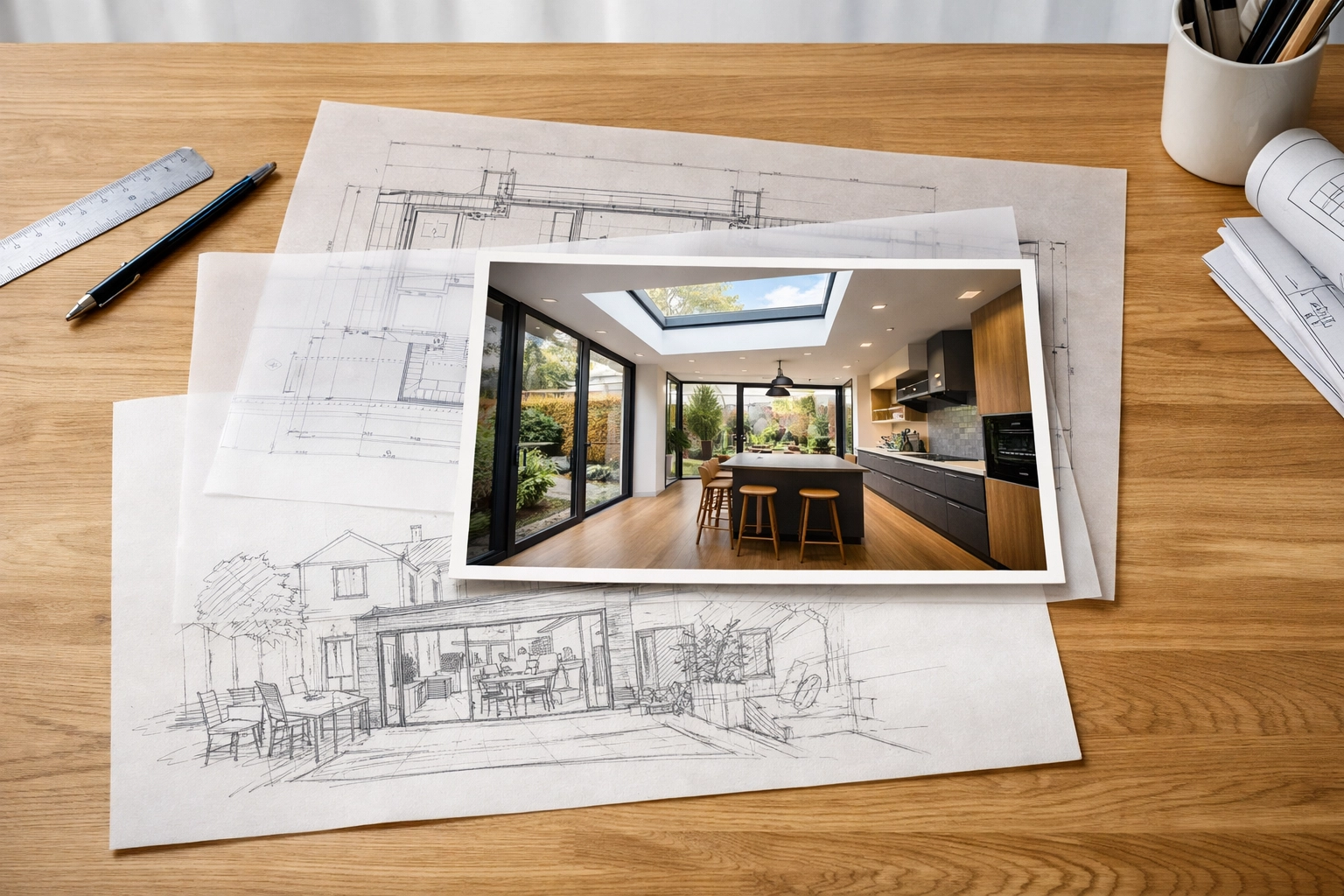
Visual Description: A high-quality photo of a modern kitchen extension in a London home, showcasing clean lines and professional finishes. Ensure the image is centered.
Next Steps for Your Home
Choosing the right service is about finding a balance between creative design and practical construction expertise. By opting for a design and build model, you are choosing a path that prioritizes clear communication and budget security.
If you’re ready to discuss your plans for an extension or conversion, get in touch with us to discuss your next steps.