
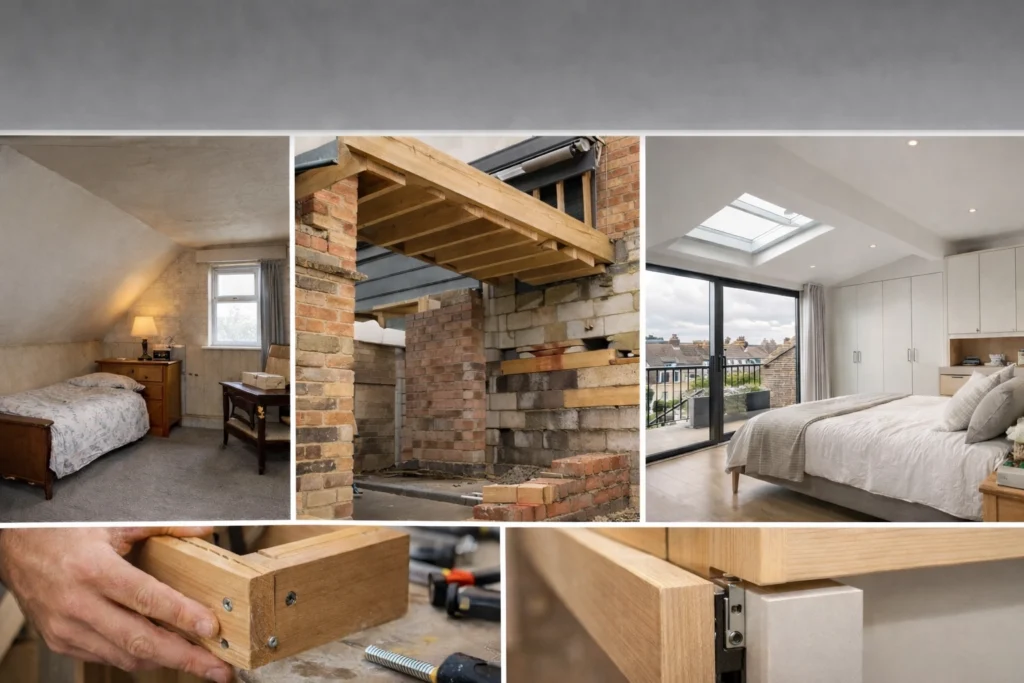
Deciding to extend or renovate your home in East London is an exciting milestone, but the initial steps can often feel overwhelming. Most homeowners find themselves at a crossroads: should you hire an independent architect first and then find a builder, or should you opt for an integrated design and build service? This decision will dictate the pace, budget, and overall stress levels of your project.
In areas like Walthamstow, Epping, and Chingford, where property styles range from Victorian terraces to mid-century semis, the complexity of planning and construction requires a streamlined approach. This guide will help you understand the benefits of the design and build model, compare it against traditional methods, and provide a clear framework for choosing the right partner for your home transformation.
What Exactly is Design and Build?
Traditionally, a home renovation project follows a "design-bid-build" path. You hire an architect to draw plans, you put those plans out to tender to various builders, and then you manage the relationship between the two.
A design and build East London service simplifies this by bringing everything under one roof. From the initial conceptual sketches and structural engineering to the final coat of paint, a single company is responsible for the entire project. This integrated approach is designed to eliminate the common friction points between creative vision and practical construction.
The Two Main Paths Compared
To help you decide which route is right for your project, it is helpful to look at how they differ across key categories:
1. Point of Contact
- Traditional: You manage multiple contracts and act as the middleman between the architect and the builder. If a problem arises on-site, the builder may blame the design, and the architect may blame the execution.
- Design and Build: You have one single point of accountability. The team that designed the space is the same team building it, ensuring that the "vision" is technically feasible from day one.
2. Budget Management
- Traditional: Architects often design to a brief without a firm grasp of current material and labour costs. It is common for homeowners to receive beautiful plans only to find out they are 30% over budget once the builders submit their quotes.
- Design and Build: Because the builders are involved during the design phase, costings are updated in real-time. This prevents "budget creep" and ensures the project remains financially viable.

Why East London Homeowners Prefer Integrated Services
East London presents unique challenges for construction. Whether you are dealing with the strict conservation rules in parts of Walthamstow or the specific planning nuances of Epping Forest District Council, local knowledge is vital.
Efficiency and Speed
In a fast-moving property market, delays are costly. With a traditional route, the transition from design to construction can take months as you vet builders and wait for quotes. In a design and build model, the construction team can begin planning the logistics, ordering materials, and scheduling trades while the final design details are being polished. This can often shave weeks, if not months, off the total project timeline.
Planning Expertise
Navigating planning permission can be a minefield. Many homeowners in our region are unsure if they need planning permission for a loft conversion in Epping or if their extension falls under Permitted Development. A specialized design and build firm will have an in-house team familiar with local authorities, significantly increasing the likelihood of a first-time approval.
Key Factors to Consider When Comparing Services
Not all design and build firms are created equal. When you are vetting potential partners for your house extensions, use the following criteria to make an informed comparison.
1. In-House Capabilities vs. Subcontracting
Some companies claim to be "design and build" but actually outsource the design work to freelance architects they don't regularly work with. For the best results, look for a firm that has a core team of designers and project managers who work together daily. This close collaboration is what prevents errors and ensures high-quality finishes.
2. Portfolio of Local Work
A company might have a great portfolio, but have they worked on properties like yours? Victorian and Edwardian homes in East London often hide structural surprises. Choosing a firm with experience in transforming Victorian terraces means they will likely have already solved the problems your house might present.
3. Transparency of Costs
A professional quote should be detailed and transparent. Beware of "estimate" figures that seem too low; they often lead to "hidden extras" later. A reputable design and build service will provide a clear breakdown of costs, covering:
- Architectural drawings and revisions
- Structural engineering calculations
- Building control fees
- Material costs and labour
- Waste removal and site insurance

The Step-by-Step Design and Build Process
Understanding the workflow can help reduce the anxiety associated with a major build. Here is how a typical project progresses with an integrated service:
Phase 1: Consultation and Feasibility
The process begins with a site visit to discuss your goals, budget, and timeline. The team will assess the structural potential of your home, whether you are looking for loft conversions or a ground-floor extension.
Phase 2: Design and Planning
Architects create initial concepts based on your requirements. Once you approve the design, the firm handles the planning application or Lawful Development Certificate. Because the construction team reviews these designs, they are inherently "buildable."
Phase 3: Technical Design and Pre-Construction
Once planning is secured, detailed structural drawings are produced. At this stage, you will also finalise your internal specifications: everything from flooring and lighting to kitchen cabinetry. This ensures that every element is accounted for before a single brick is laid.
Phase 4: Construction and Project Management
This is where the benefit of a single point of contact truly shines. A dedicated project manager oversees the trades, manages deliveries, and ensures building control inspections take place at the correct intervals. You receive regular updates without having to manage the daily minutiae of the site.
Phase 5: Handover and Aftercare
After the final inspection and the issuance of a completion certificate, the project is handed over. A professional service will also include a "snagging" period to ensure every detail meets their high standards.

Common Mistakes to Avoid When Choosing a Builder
Even with a design and build model, there are pitfalls to avoid. To protect your investment and your peace of mind, keep these points in mind:
- Prioritising the Lowest Quote: In construction, the cheapest price rarely results in the best value. It often indicates that the builder has missed something in the scope of work or plans to use lower-quality materials.
- Ignoring Communication Styles: You will be working with this team for several months. If they are slow to respond or vague during the consultation phase, this is a red flag for how they will behave during the build.
- Skipping the Contract: Never start a project without a formal contract that outlines the scope of work, payment schedules, and a projected timeline.
- Not Checking References: Ask to see recent projects in person if possible, or speak to previous clients about their experience with disruption and budget management.
Is Design and Build Right for You?
If you value your time and want to minimize the risk of budget overruns, the design and build model is usually the superior choice. It offers a level of financial certainty and project cohesion that the traditional route often struggles to match.
For homeowners in East London, where space is at a premium and planning regulations are rigorous, having a team of experts who understand both the creative and technical aspects of construction is invaluable. Whether you are planning a modern kitchen extension or looking to add value with loft conversions in Walthamstow, the right partnership will make the process as rewarding as the final result.
Taking the Next Step
Choosing a service provider is the most important decision you will make in your home improvement journey. By focusing on local experience, integrated teams, and transparent processes, you can ensure your project is completed to a high standard, on time, and within your agreed budget.
If you’re planning a similar project in London, WJ Construction Ltd can advise on the best approach. Our team is experienced in delivering high-quality, bespoke extensions and conversions that respect the character of East London homes while providing modern functionality.