
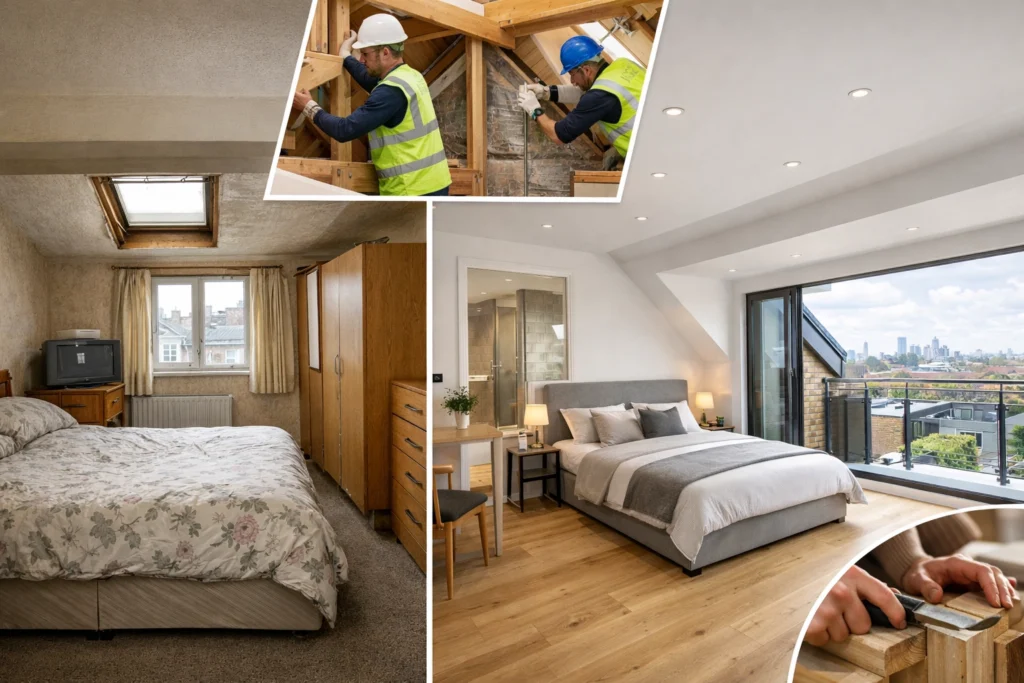
For many homeowners in East London, the decision to create more space often leads to a difficult crossroads: should you move to a larger property or extend the one you already love? With property prices in areas like Walthamstow and Epping continuing to climb, and the associated costs of moving: such as stamp duty, legal fees, and removal costs: reaching eye-watering levels, staying put and building upwards is becoming the logical choice.
Among the various types of loft transformations available, the Mansard loft conversion stands out as the premium option. Often referred to as the "King of Space," a Mansard conversion doesn't just add a room; it effectively adds an entire new storey to your home. In this guide, we will explore why this specific architectural style is the preferred choice for period properties in East London and what you need to know before starting your project.
What is a Mansard Loft Conversion?
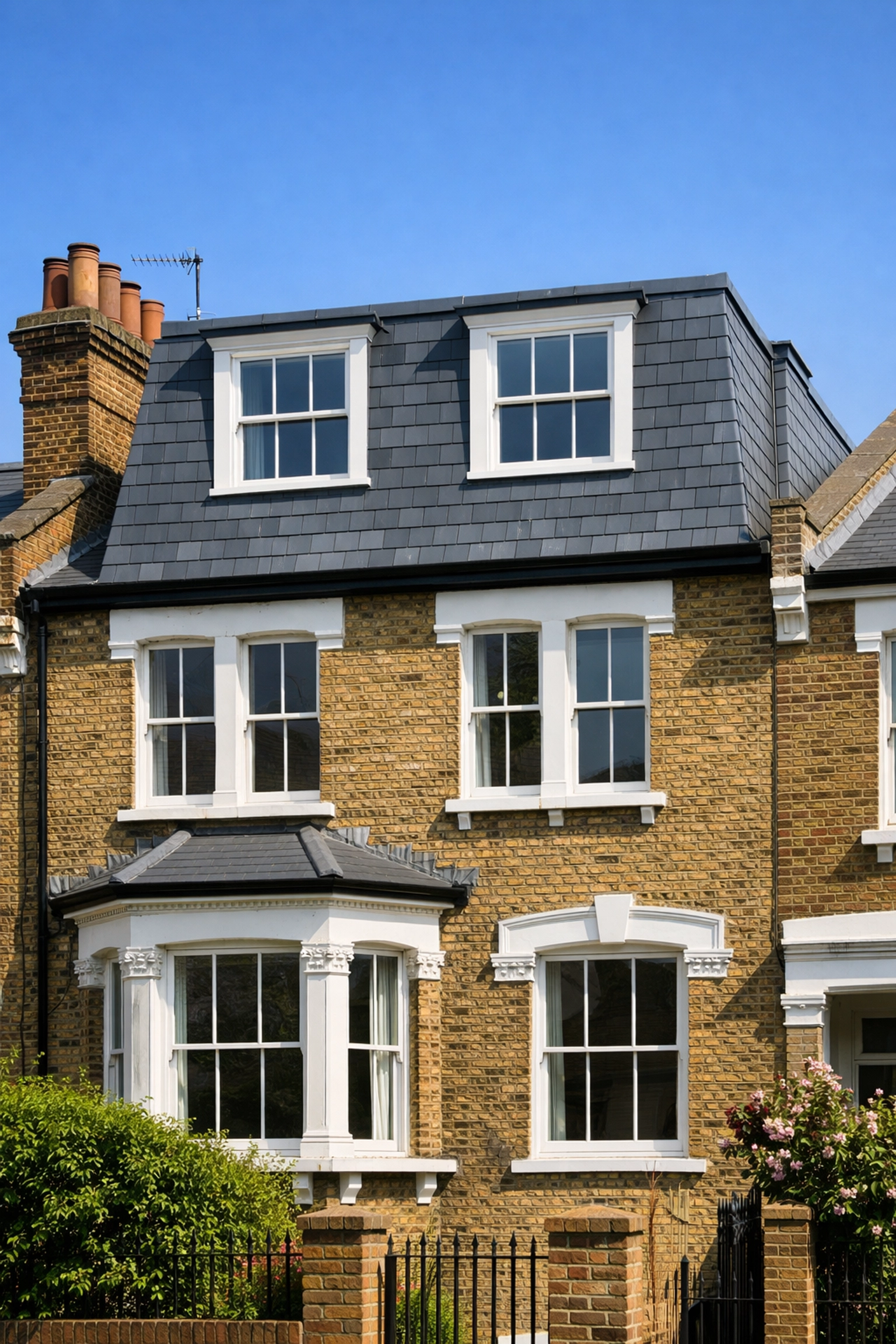
The Mansard loft conversion is named after the 17th-century French architect François Mansart. It is a sophisticated structural renovation that involves significant changes to the shape of your roof. Unlike a standard Dormer conversion, which projects out from a sloping roof, a Mansard conversion involves replacing one or both slopes of the roof with a much steeper side and a flat top.
The defining characteristic of a Mansard is its 72-degree slope. To the naked eye, this looks almost vertical, but technically it is classified as a roof rather than a wall. This subtle architectural distinction is what allows homeowners to maximise their internal floor area without technically building a "third storey" in the eyes of some traditional building definitions, although for all practical purposes, that is exactly what you achieve.
The Construction Process
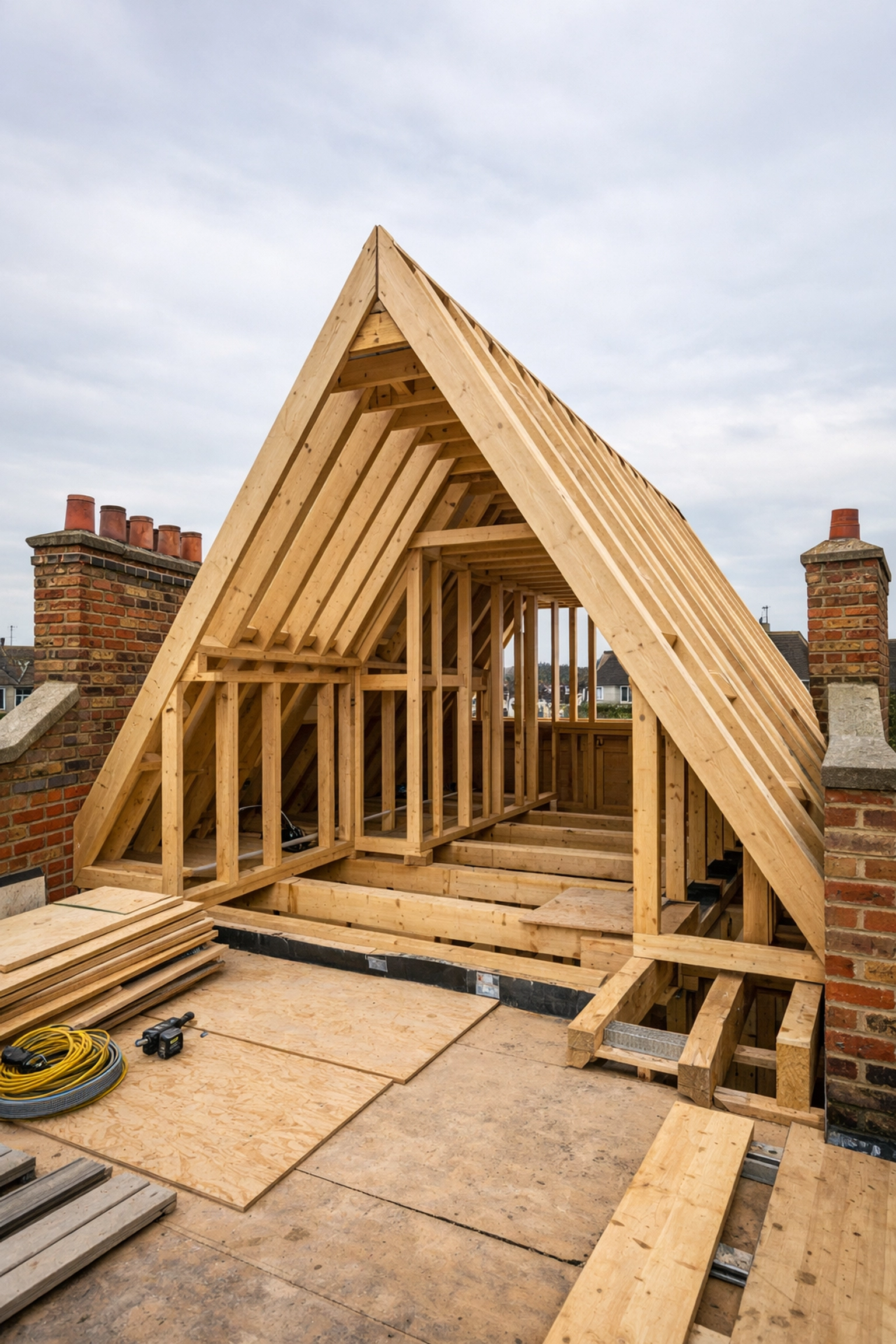
To create a Mansard, the party walls (the walls shared with your neighbours) usually need to be raised. A new timber or steel frame is then constructed to create the new roof shape. Because of the level of structural work involved, it is essential to work with a house extension specialist who understands the complexities of heritage brickwork and structural integrity.
Why the Mansard is Perfect for East London Period Properties
If you walk through the streets of Walthamstow, Chingford, or the conservation areas of Epping, you will notice a wealth of Victorian and Edwardian terraced and semi-detached housing. These properties are beautiful, but they were not designed for modern family living.
Maximising Every Square Inch
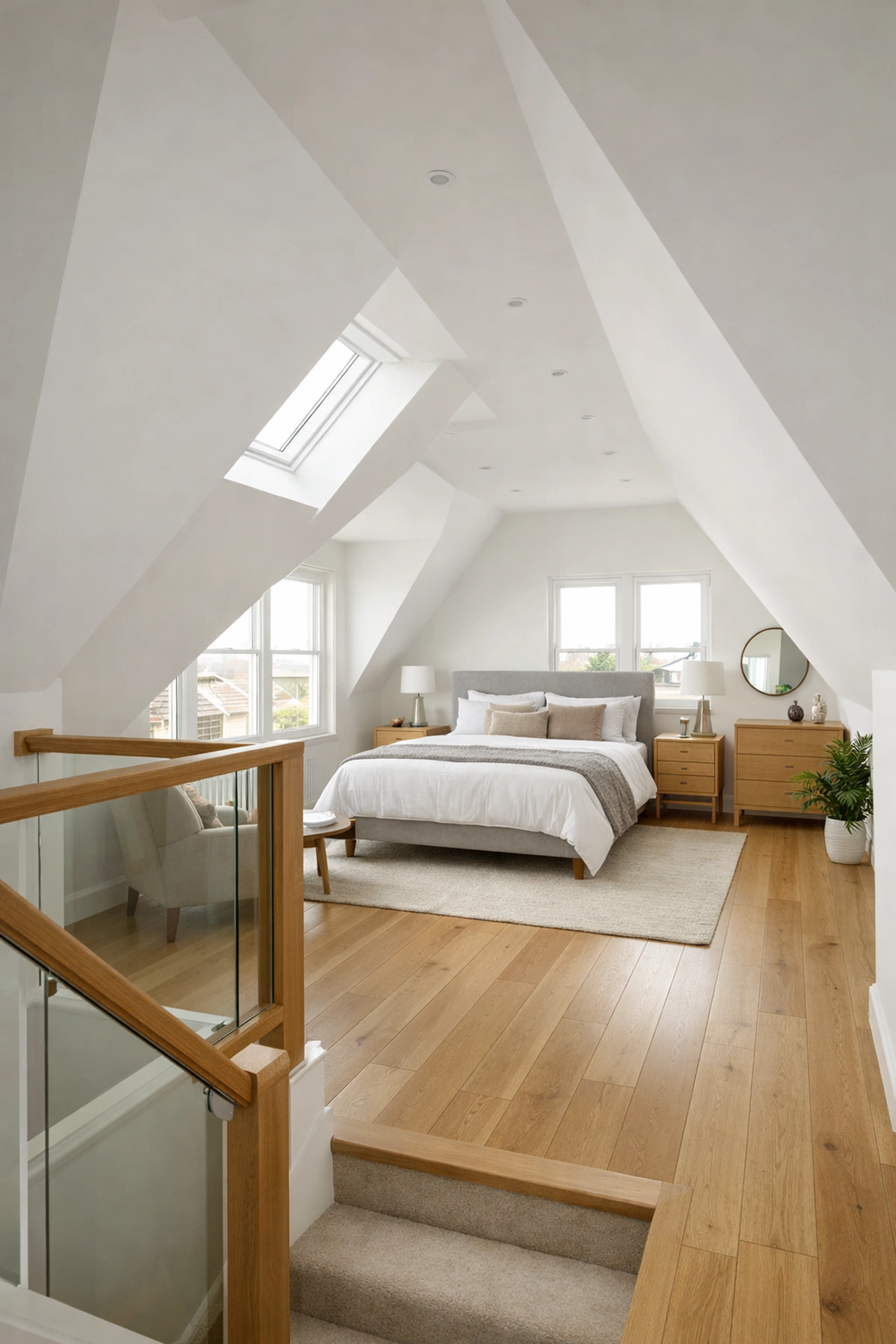
The primary reason homeowners choose a Mansard is the volume of space it creates. While other conversions may result in sloped ceilings that restrict furniture placement, the 72-degree walls of a Mansard provide almost entirely vertical head height. This means you can place wardrobes right against the wall, install full-sized shower enclosures, and move around the room without ducking.
For families looking for loft conversions in Walthamstow, this often means the difference between a small guest room and a grand master suite with a walk-in wardrobe and a spacious en-suite bathroom.
Aesthetic Integration
Mansard conversions are often seen as the most "aesthetic" choice for period homes. Because the steep slope can be finished in materials that match the original house: such as slate tiles or traditional brickwork: it tends to blend in more seamlessly than a boxy modern dormer. In many parts of East London, local councils actually prefer Mansard designs because they maintain the character of the street scene.
Planning Permission in East London
One of the most common questions we receive as builders in Epping is whether a Mansard requires planning permission.
The short answer is: almost always.
Unlike smaller Dormer conversions, which can often be completed under "Permitted Development" rights, a Mansard involves raising the party walls and significantly altering the roofline. This means you will need to submit a formal planning application to your local council (such as Waltham Forest or Epping Forest District Council).
Local Planning Knowledge
Navigating the planning process can be daunting, but it is a hurdle worth clearing for the extra space gained. Each local authority has its own set of guidelines. For example, some councils may insist on specific window styles or cladding materials to ensure the conversion is sympathetic to the surrounding area.
Working with a team that has local experience is vital. Understanding why local planning knowledge is your secret weapon can save you months of delays and thousands of pounds in revised architectural fees.
Typical Costs and Investment Value
There is no denying that a Mansard conversion is a significant investment. Because it requires more structural work, more materials, and a longer build time than a standard conversion, the initial price tag is higher.
However, it is important to view this through the lens of property value. In East London, adding a high-quality master suite can increase a property's value by 20% to 25%. When you compare the cost of the build against the potential "equity boost," the Mansard often pays for itself.
Factors Influencing the Price:
- Property Type: Terraced houses may require more complex party wall agreements than detached homes.
- Material Selection: Matching original Victorian slates will cost more than using modern synthetic alternatives.
- Internal Fit-out: The cost of bespoke cabinetry and high-end bathroom fixtures should be factored in early.
For a detailed breakdown of what to expect, we recommend reading our guide on loft conversion costs in Walthamstow.
How Long Does the Process Take?
A Mansard loft conversion is a major construction project. While every home is different, a typical timeline usually follows this pattern:
- Design and Planning (8–12 weeks): This involves architectural drawings, structural engineer calculations, and waiting for the local council's decision on your planning application.
- Party Wall Agreements (4–8 weeks): If you are in a terrace or semi-detached house, you must notify your neighbours and reach a legal agreement regarding the shared walls.
- The Build Phase (8–12 weeks): This includes the scaffolding setup, roof removal, structural steel installation, and the "breakthrough" where the new stairs are fitted.
- Internal Finishing (4 weeks): Plastering, plumbing, electrical work, and decorating.
By the time the project is finished, you aren't just looking at a "converted loft": you are looking at a transformed home.
Common Mistakes to Avoid
When planning a project of this scale, it is easy to get overwhelmed. Here are three common pitfalls we see homeowners make:
- Underestimating the Stairs: A loft conversion is only as good as the access to it. If the staircase is cramped or awkwardly placed, it can make the new floor feel disconnected from the rest of the house.
- Ignoring Natural Light: While Mansards offer great wall space, you should still maximise light through well-placed dormer windows or sky lanterns.
- Choosing the Wrong Builder: A Mansard requires precision. Using a general builder who hasn't tackled a 72-degree roof slope before can lead to leaks, structural issues, and planning non-compliance. Always look for a specialist with a proven track record of loft conversion in Epping.
Is a Mansard Right for You?
If you live in a period property in East London and your main priority is creating the maximum amount of usable living space, the Mansard is almost certainly the right choice. It offers the most "house-like" feel of any conversion type and provides a level of luxury and volume that is hard to match.
While the requirement for planning permission and the higher construction cost are considerations, the long-term benefits of staying in your desired area while enjoying a significantly larger home usually outweigh the initial challenges.
If you are currently weighing up your options and wondering if your roof is suitable for a Mansard, our team at WJ Construction Ltd is here to help. We specialise in transforming East London homes with high-quality, structurally sound extensions and conversions.
If you’re planning a similar project in London, WJ Construction can advise on the best approach. Get in touch to discuss your plans and next steps.