
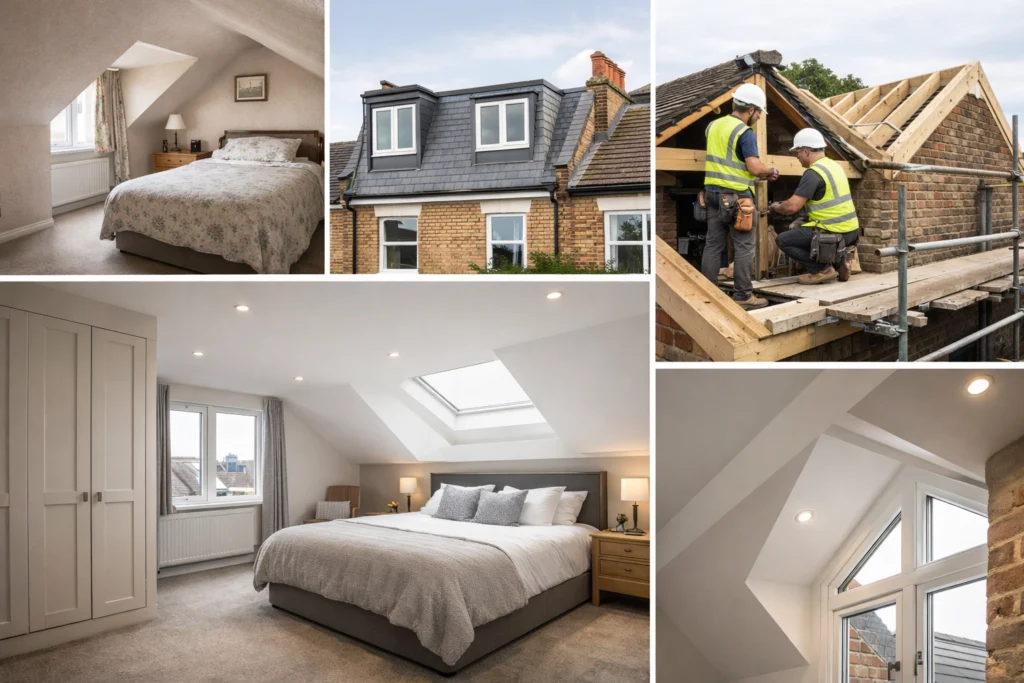
For many homeowners in East London and West Essex, the decision to extend upwards rather than move house is becoming the preferred way to gain extra square footage. Whether you need a master suite, a quiet home office, or an extra bedroom for a growing family, a loft conversion is one of the most effective ways to add significant value to your property. However, once you decide to convert, you are immediately faced with a technical choice: which type of conversion is right for your roof?
Choosing between a Mansard, a Dormer, or a Hip to Gable loft extension involves balancing your budget, your aesthetic preferences, and the specific structural limitations of your home. Each style offers different benefits in terms of floor space and head height, and each carries different implications for planning permission. In this guide, we will break down the technical differences to help you make an informed decision for your home.
The Dormer Loft Conversion: The Versatile All-Rounder
The Dormer loft conversion is arguably the most popular choice for homeowners seeking a loft conversion in Walthamstow and surrounding areas. This is largely due to its practicality and cost-effectiveness.
A Dormer is an extension that projects vertically from the plane of a sloping roof. It creates a "box" shape that sits on top of the existing roofline. Because the walls of the Dormer are vertical, it provides full head height across a large portion of the new room, making it feel like a natural continuation of the floors below.
Why Homeowners Choose Dormers
For many terraced and semi-detached houses, a rear Dormer is the most efficient way to gain space. It allows for the installation of standard-sized windows or even French doors with a Juliet balcony, flooding the new room with natural light.
One of the significant advantages of a Dormer is that it often falls under Permitted Development rights. This means that as long as the volume of the extension stays within certain limits (usually 40 cubic metres for terraced houses and 50 cubic metres for semi-detached and detached houses), you may not need to apply for full planning permission. However, it is always essential to verify this with a professional, as rules can vary in conservation areas.
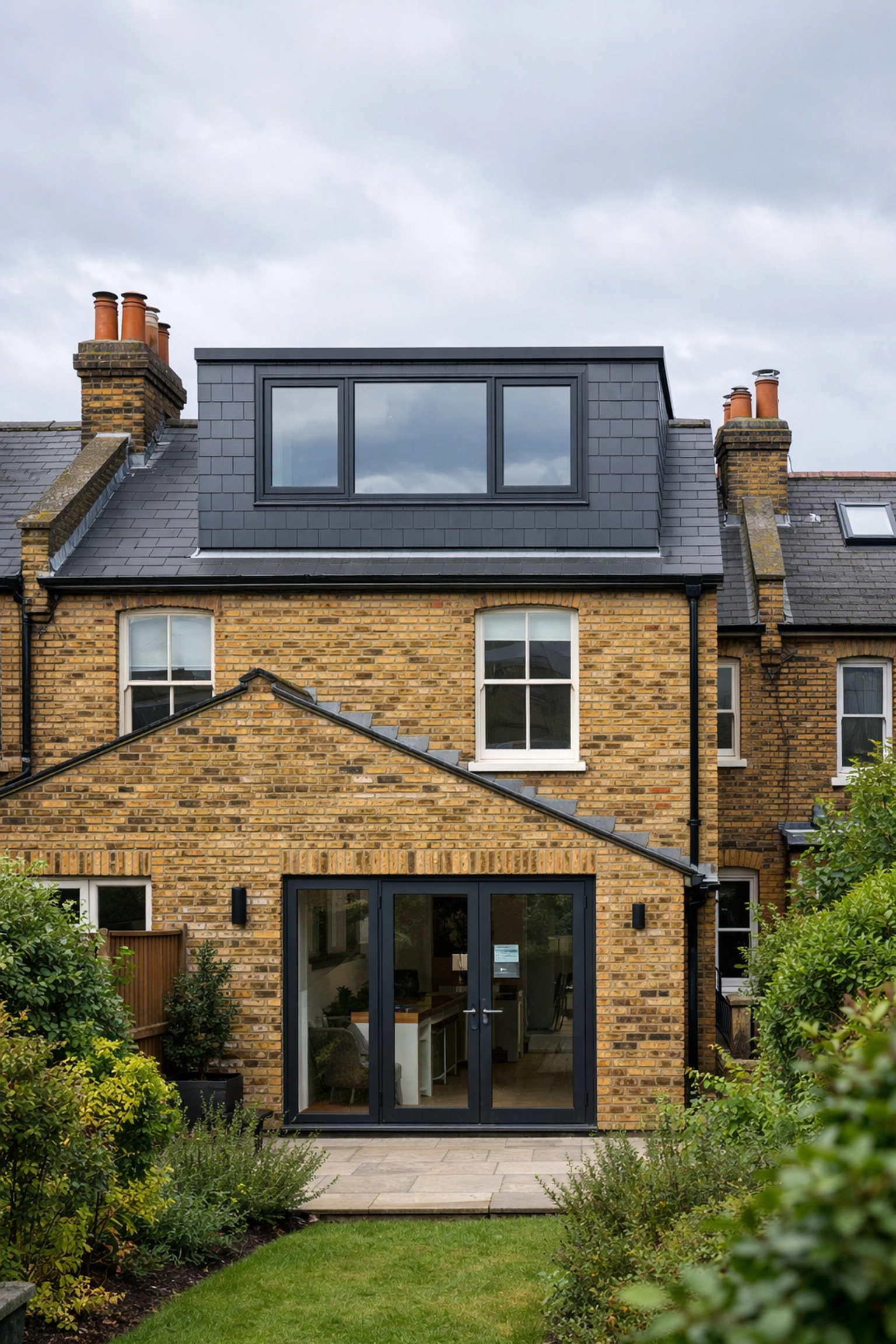
The Mansard Loft Conversion: The Premium Aesthetic Choice
Named after the 17th-century French architect François Mansart, the Mansard loft conversion is often considered the most prestigious and aesthetically pleasing option. It is particularly common on period properties and Victorian terraces across East London.
A Mansard conversion involves replacing one or both slopes of the roof with a very steep side (typically angled at 72 degrees) and a flat roof on top. To the casual observer, a Mansard conversion often looks like an additional storey has been added to the house rather than just a roof extension.
Maximum Space and Planning Nuances
The primary benefit of a Mansard is the sheer volume of space it creates. Because the 72-degree slope is nearly vertical, you gain maximum floor space and head height right to the edges of the room. This makes it the ideal choice for creating large master suites with full-sized en-suites.
However, because a Mansard conversion involves significant structural changes to the roofline, it almost always requires formal planning permission. Local authorities in London often prefer Mansard extensions on older properties because they are seen as more sympathetic to the original architecture than a standard box Dormer. If you are aiming for a high-end finish that blends seamlessly with a period home, the Mansard is the gold standard.
The Hip to Gable Loft Extension: Perfect for Semi-Detached Homes
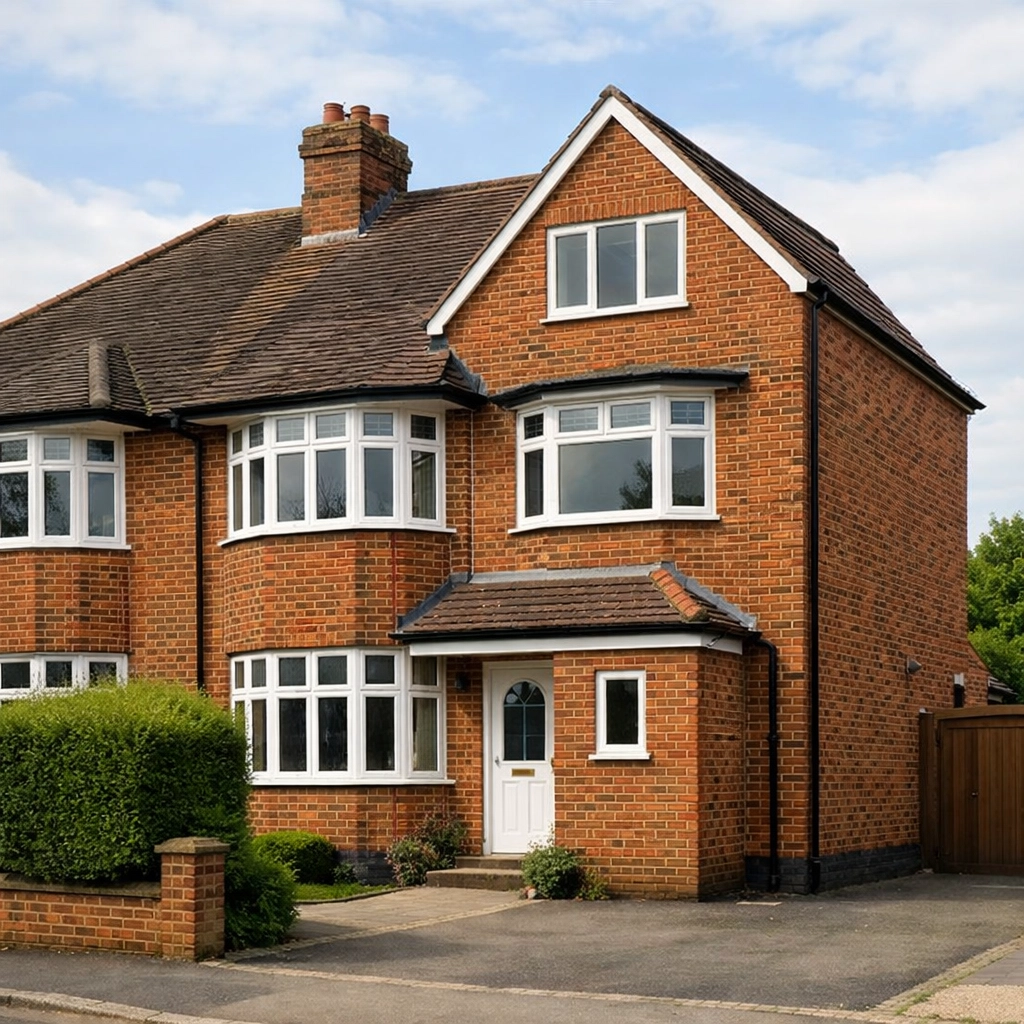
If you live in a semi-detached or end-of-terrace property with a "hipped" roof: where the roof slopes down to the eaves on all three sides: you may find that a standard conversion leaves you with very little usable space. This is where the Hip to Gable extension becomes essential.
In a Hip to Gable conversion, the sloping side of the roof (the "hip") is removed, and the end wall is built up vertically to create a "gable" end. This transforms the internal space from a cramped, triangular area into a much larger, rectangular room.
Ideal for Epping and Chingford Properties
This type of extension is particularly popular for a loft conversion in Epping and Chingford, where there is a high density of 1930s semi-detached homes. By straightening the roofline, you not only gain floor space but also create the necessary room to fit a permanent staircase: which is often the biggest challenge in smaller loft projects.
Many homeowners choose to combine a Hip to Gable extension with a rear Dormer. This combination, often called a "wraparound" loft conversion, provides the absolute maximum amount of space possible for a semi-detached house, often allowing for two bedrooms and a bathroom in the new loft level.
Technical Considerations: Beyond the Visuals
While the external shape of the conversion is the most visible choice, the success of the project relies on the technical details handled by your build team. At WJ Construction Ltd, we focus on the structural integrity and internal flow that makes a loft feel like a genuine part of the home.
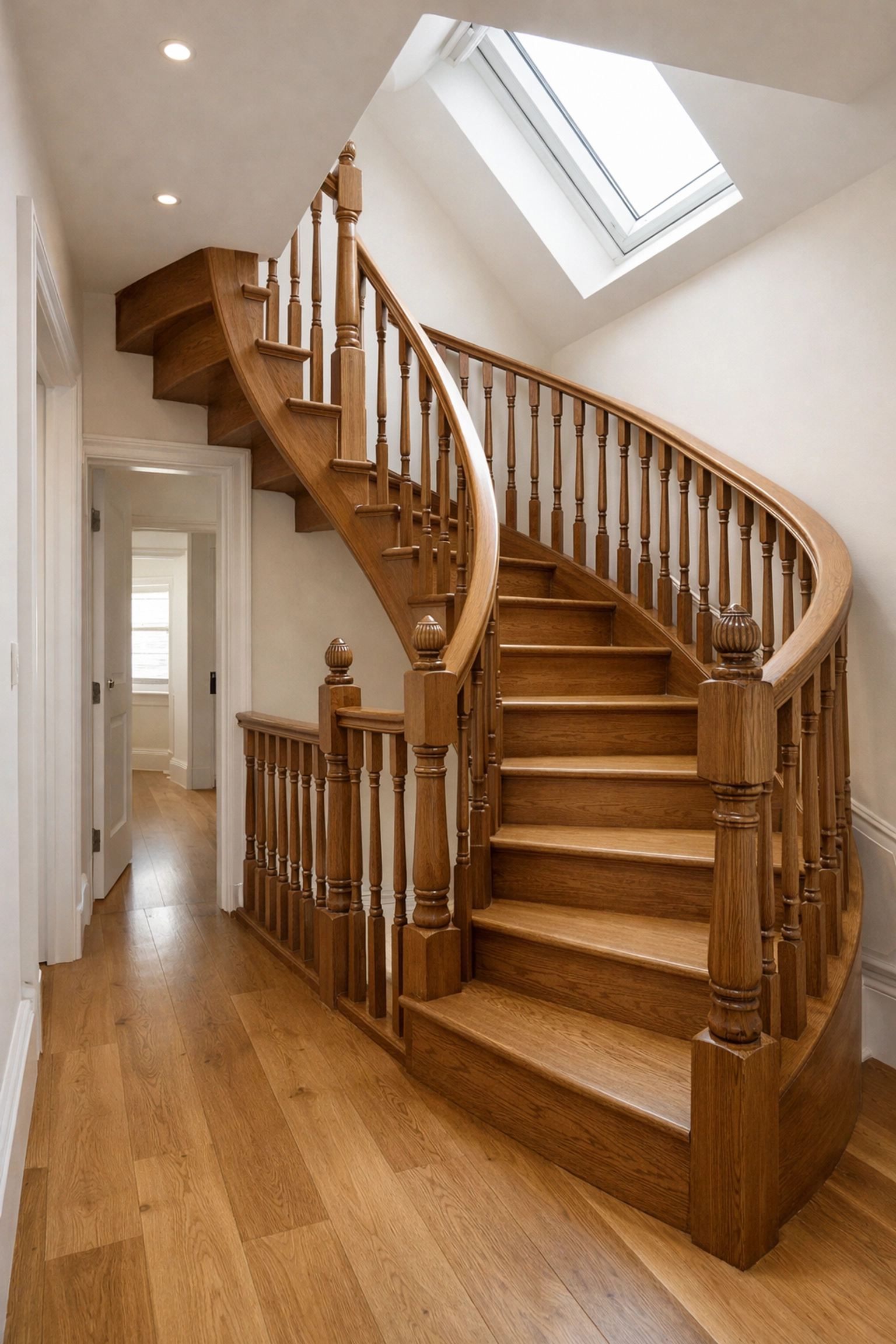
1. Staircase Placement
The position of the new staircase is the "make or break" element of any loft design. Ideally, the new stairs should sit directly above the existing staircase to maintain the natural flow of the house and save space on the floor below. Our design process ensures that we calculate the necessary head height for the stairs while minimising the impact on your existing landing.
2. Structural Beams
A loft conversion isn't just about adding floorboards; it’s about reinforcing the entire structure of the house. Existing ceiling joists are rarely strong enough to support the weight of a new living floor. We install heavy-duty steel beams (RSJs) to take the load of the new floor and the modified roof, ensuring the house remains structurally sound for decades to come.
3. Professional Standards
Construction in London requires a high level of expertise, especially when dealing with the complexities of party wall agreements and structural modifications. Every member of the WJ Construction Ltd team is a qualified professional. Our workers hold CSCS (Construction Skills Certification Scheme) cards, providing peace of mind that your home is in the hands of skilled, safety-conscious experts.
Comparing the Three: At a Glance
| Feature | Dormer | Mansard | Hip to Gable |
|---|---|---|---|
| Common Property Type | Terraced / Semi-detached | Period / Terraced | Semi-detached / End-of-terrace |
| Space Gain | High | Maximum | Moderate to High |
| Planning Permission | Often Permitted Development | Usually Required | Often Permitted Development |
| Primary Benefit | Cost-effective & practical | Aesthetic & high volume | Essential for hipped roofs |
| East London Suitability | Excellent for Walthamstow | Best for period properties | Ideal for Epping & Chingford |
Choosing the Right Path for Your Home
The "best" loft conversion is entirely dependent on your property type and your long-term goals. If budget and speed are your primary concerns, a Dormer is often the way to go. If you own a period property and want to maximise both space and resale value with a premium finish, a Mansard is an investment that pays off. For those in semi-detached homes in Epping, a Hip to Gable is frequently the only way to achieve a truly functional room.
Navigating the world of building regulations and planning can be daunting. Before you commit to a design, it is worth understanding the local landscape. For instance, understanding local planning knowledge can be your secret weapon in getting your project approved without unnecessary delays.
At WJ Construction Ltd, we pride ourselves on providing a transparent, professional service from the initial design phase through to the final handover. We understand the nuances of East London architecture and the specific requirements of local councils.
If you are ready to explore how a loft conversion could transform your home, we are here to help. Whether you are in the early stages of research or have architectural drawings ready to go, we can provide the expertise needed to bring your vision to life.
If you’re planning a similar project in London, WJ Construction can advise on the best approach.