
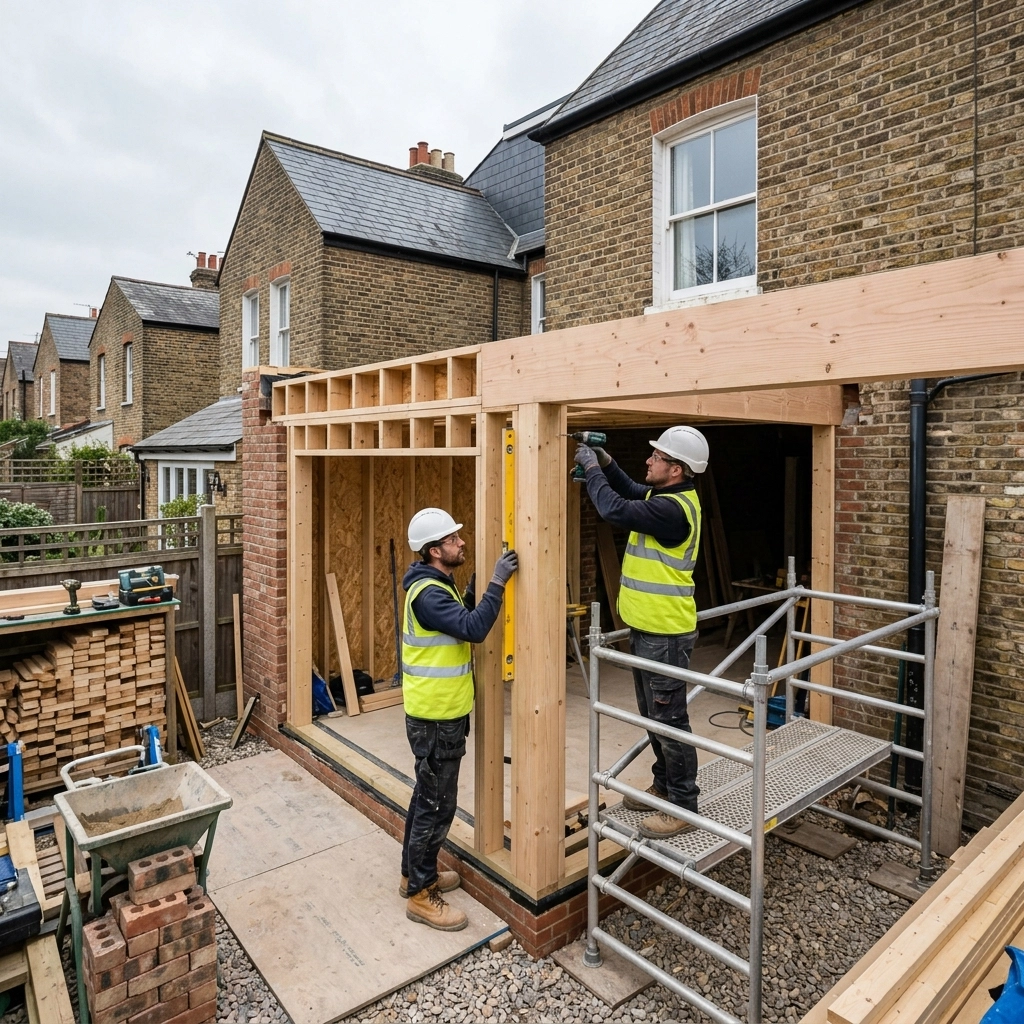
Deciding to renovate your home is a significant milestone, but for many Londoners, it is often accompanied by a sense of trepidation. Between navigating complex planning permissions, managing various contractors, and keeping a tight lid on budgets, the traditional route of home improvement can feel overwhelming. Whether you are looking at a loft conversion in Epping or planning building extensions in London, the "Design and Build" model has emerged as the most efficient way to transform a property. This blog will explain exactly how this integrated approach works and provide practical advice to help you maximize your home’s potential without the stress of moving.
What is Design and Build?
Traditionally, a homeowner would hire an architect to draw up plans and then independently find a builder to execute them. This often leads to a disconnect where the builder discovers the architect’s designs are over-budget or technically impractical once the first brick is laid.
The "Design and Build" model changes this. It provides a single point of responsibility. One company handles everything from the initial architectural concepts and structural engineering to the final coat of paint. For homeowners in areas like Walthamstow or Chingford, this means clearer communication and a more realistic understanding of costs from day one. By integrating the design phase with the construction phase, you eliminate the "blame game" between different parties, ensuring that the project moves forward seamlessly.

Why Design and Build East London Projects Are Changing the Game
East London and the surrounding areas like Epping Forest present unique challenges. Victorian terraces in Walthamstow, 1930s semi-detached homes in Chingford, and modern properties in Epping all require different structural approaches. Using a dedicated design and build East London service allows you to leverage local expertise that understands these specific building types.
The primary benefits include:
- Fixed Budgets: Because the builders are involved in the design stage, the quotes are based on real-world construction costs rather than theoretical estimates.
- Time Efficiency: Overlapping the design and construction phases can significantly reduce the overall project timeline.
- Accountability: If a problem arises, there is only one company to call. This reduces the administrative burden on the homeowner.
Planning Permission and Permitted Development
One of the most common anxieties for London homeowners is the planning process. Many projects, particularly loft conversions and certain types of extensions, can be completed under "Permitted Development" (PD) rights. This allows you to bypass the full planning permission process, provided your project meets specific criteria regarding size and appearance.
However, East London is home to many conservation areas and Article 4 directions which restrict these rights. For example, Chingford builders must be well-versed in local authority guidelines to ensure that a project doesn't fall foul of the rules. A professional design and build team will handle all interactions with local councils, ensuring that all paperwork: from Lawful Development Certificates to full Planning Permission: is handled correctly before work begins.
Maximising Space: Loft Conversions in Epping and Chingford
If you love your current location but need an extra bedroom or a home office, a loft conversion is often the most cost-effective solution. In areas like Epping, where property values remain high, adding a high-quality loft room can significantly increase your home's market value.
When considering a loft conversion in Epping, there are several styles to choose from:
- Dormer Conversions: The most popular choice, extending vertically from a sloping roof to create more floor space and headroom.
- Hip-to-Gable: Ideal for end-of-terrace or semi-detached houses, this involves changing the sloping side of the roof to a flat gable wall.
- Mansard Conversions: Usually placed at the rear of the property, these involve changing the slope of the roof to almost vertical, offering the maximum amount of space.

Building Extensions in London: Creating Your Forever Home
For families who have outgrown their kitchen or dining area, building extensions in London is a practical alternative to the high costs of moving house. Stamp duty, estate agent fees, and the general stress of relocating can often exceed the cost of a high-end extension.
When planning an extension, consider these five essential steps:
- Define the Purpose: Is it a kitchen-diner, a playroom, or an extra lounge?
- Budget for the "Extras": Remember to include VAT, structural engineer fees, and interior finishing costs.
- Think About Light: Use bi-fold doors or roof lanterns to ensure the existing part of your house doesn't become dark.
- Consider the Garden: How will the extension impact your outdoor space?
- Hire the Right Team: Ensure your contractors have the necessary trade experience and accreditations.
To dive deeper into the planning stage, you can read our guide on 5 steps to plan building extensions in London.

Choosing the Right Team: What to Look For
Not all builders are created equal. When searching for Walthamstow builders or contractors in the wider East London area, you must verify their credentials to protect your investment.
Check Accreditations
Ensure the workforce is accredited. At WJ Construction Ltd, for instance, our team holds CSCS cards and City & Guilds qualifications. This isn't just about a piece of paper; it’s a guarantee that the people working on your home understand modern building regulations and safety standards.
Trade Experience
Ask how long the company has been in business. With 20 years of trade experience, we have seen almost every structural challenge a London property can present. This experience allows us to foresee potential issues before they become expensive problems.
Insurance and Guarantees
Never hire a builder who cannot provide proof of Public Liability and Employer's Liability insurance. Furthermore, ask about the guarantees provided on the structural work.

Common Mistakes to Avoid
Even with a professional team, being an informed homeowner is vital. Here are the most common pitfalls we see:
- Underestimating the Timeline: A full home refurbishment or extension is a major project. While design and build firms streamline the process, quality work takes time. Expect a minimum of 8–12 weeks for a standard loft conversion and longer for large extensions.
- Changing the Design Mid-Build: Decisions made while the walls are being built are expensive. Spend more time in the design phase to avoid these costs.
- Ignoring the Neighbors: Under the Party Wall Act, you must notify your neighbors if you are building on or near a boundary. Failing to do this can lead to legal delays.
- Focusing Only on the Lowest Quote: A suspiciously low quote often leads to "hidden extras" later or, worse, sub-par materials. Focus on value and the quality of the workforce instead.
Summary Checklist for Homeowners
- Determine your budget and stick to a 10% contingency fund.
- Decide between a loft conversion, extension, or full refurbishment.
- Verify the builder's trade experience (e.g., WJ Construction’s 20 years in the trade).
- Check for City & Guilds and CSCS accreditations.
- Confirm whether your project falls under Permitted Development or requires Planning Permission.
- Ensure a Party Wall Agreement is in place if necessary.
- Review previous work or visit a live site if possible.
Conclusion
Transforming your home should be an exciting journey, not a stressful one. By choosing a design and build approach, you consolidate the responsibility, ensure your designs are realistic, and gain access to a team that manages the project from start to finish. Whether you are seeking expert Walthamstow builders for a kitchen refurbishment or looking for a specialist loft conversion in Epping, the key is to prioritize experience and clear communication.
At WJ Construction Ltd, we pride ourselves on our 20 years of expertise and our accredited, professional workforce. We understand that your house is more than just a building: it is your home.
If you’re planning a similar project in London, WJ Construction can advise on the best approach. Get in touch to discuss your plans and next steps.