
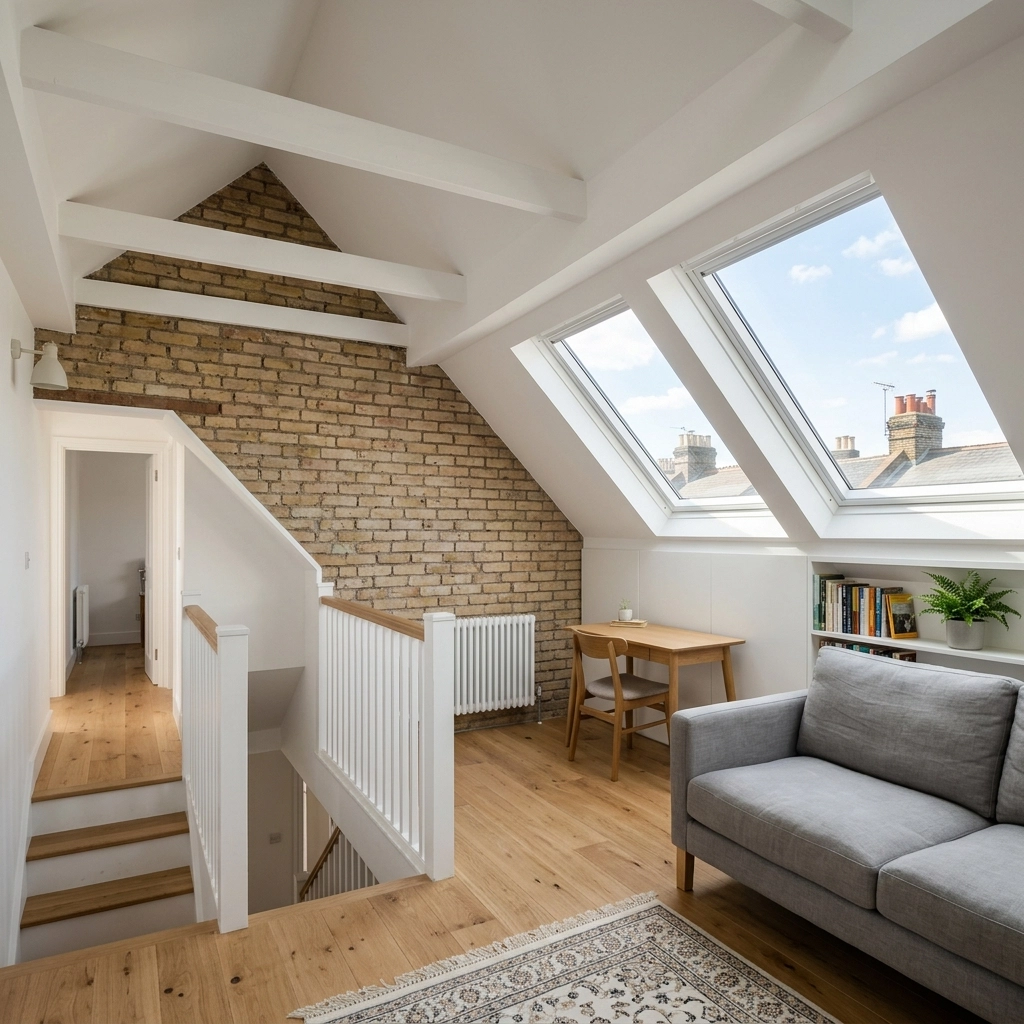
For homeowners across East London, Epping, and Chingford, the need for more space is a recurring theme. Whether it is a growing family, the requirement for a dedicated home office, or the desire for a larger, open-plan kitchen, the limitation of square footage eventually becomes a hurdle. In a property market where the costs of moving: including stamp duty, legal fees, and removals: can easily exceed £50,000, many residents are looking at their existing property to find more room. The two primary options are extending outwards or converting upwards. Choosing between a loft conversion and a house extension is a significant decision that impacts your budget, your lifestyle during the build, and the eventual resale value of your home.
The Value Proposition: Adding Space vs. Moving House
In 2026, the London property market continues to favour those who maximise their existing footprint. At WJ Construction Ltd, we have spent 20 years helping homeowners understand that moving house is often the most expensive mistake you can make when you already own a property with untapped potential. By investing in your current home, you are not just adding comfort; you are building equity.
Statistically, a well-executed loft conversion can add between 15% and 25% to the value of a London home, while a high-quality ground-floor extension typically adds between 10% and 20%. The choice often depends on which type of space is more valuable in your specific neighborhood. For instance, in areas like Walthamstow or Loughton, an extra bedroom with an en-suite often yields a higher return than a slightly larger living room.
Loft Conversions: The Vertical Advantage
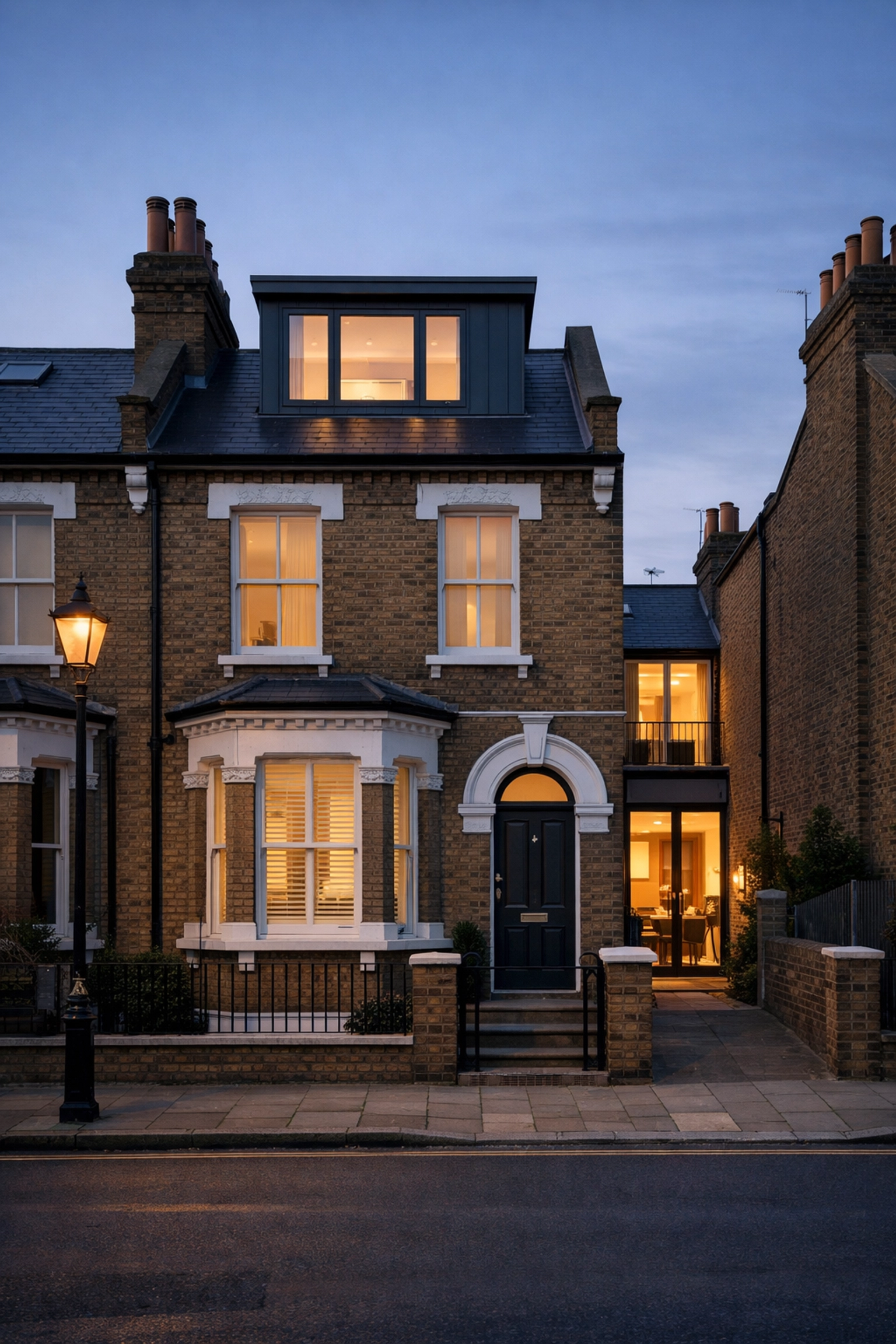
If you are looking for the most cost-effective way to add a bedroom or a quiet study, looking up is usually the best first step. Loft conversions are particularly popular in the terraced and semi-detached streets of East London because they do not require any sacrifice of precious garden space.
Types of Loft Conversions
The architecture of your roof will dictate the type of conversion possible. Common options include:
- Dormer Conversions: The most popular choice, extending vertically from the slope of the roof to create a box-like structure.
- Hip-to-Gable: Ideal for semi-detached houses where the "hip" (sloped side) of the roof is replaced by a vertical wall (gable).
- Mansard Conversions: A more aesthetic but complex option that involves changing the entire slope of the roof, often required in sensitive planning areas.
For a deeper dive into which style suits your roofline, you can read our guide on hip-to-gable, mansard, or dormer loft conversions.
Why Choose a Loft Conversion?
A loft conversion is generally faster to complete than an extension, with a typical build time of 6 to 10 weeks. Because the work is largely contained within the roof space, the disruption to your daily life is significantly lower. Our accredited workforce, holding CSCS cards and City & Guilds qualifications, ensures that the structural integrity of your home is maintained while we create that much-needed extra floor. For residents in Epping, a loft conversion is often the "secret weapon" for increasing property value without the headaches of a full-scale ground-floor build.
House Extensions: Expanding Your Footprint
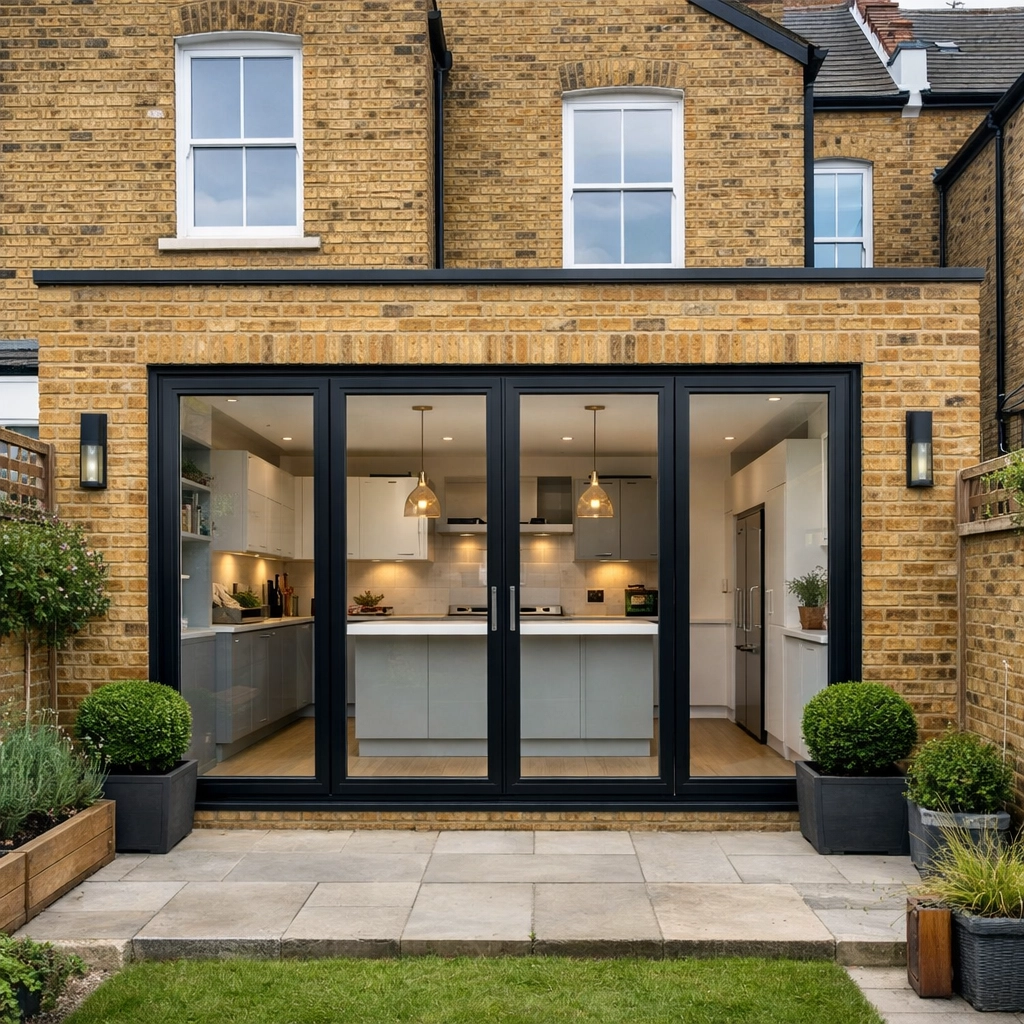
While loft conversions provide bedrooms, house extensions are about lifestyle and communal living. If your goal is a "heart of the home" kitchen-diner or a seamless transition between your indoor and outdoor living areas, a building extension in London is the superior choice.
Common Extension Styles in East London
- Rear Extensions: Extending out into the garden to create large, open-plan kitchen and dining areas.
- Side-Return Extensions: Popular in Victorian terraces, these utilise the narrow strip of land to the side of the house.
- Wrap-around Extensions: A combination of side and rear, creating a massive amount of new ground-floor space.
For those living in Victorian properties, understanding the nuances of side-return vs rear extensions is essential for making the most of your budget and plot size.
Why Choose an Extension?
Extensions offer more creative freedom in terms of layout and architecture. They allow for features like floor-to-ceiling glass doors, skylights, and underfloor heating that can completely transform how you use your home. However, they do come with a higher price tag and longer build times: typically 12 to 22 weeks. They also consume garden space, which is a vital consideration in densely populated parts of East London.
Planning Permission in London: The Major Hurdles
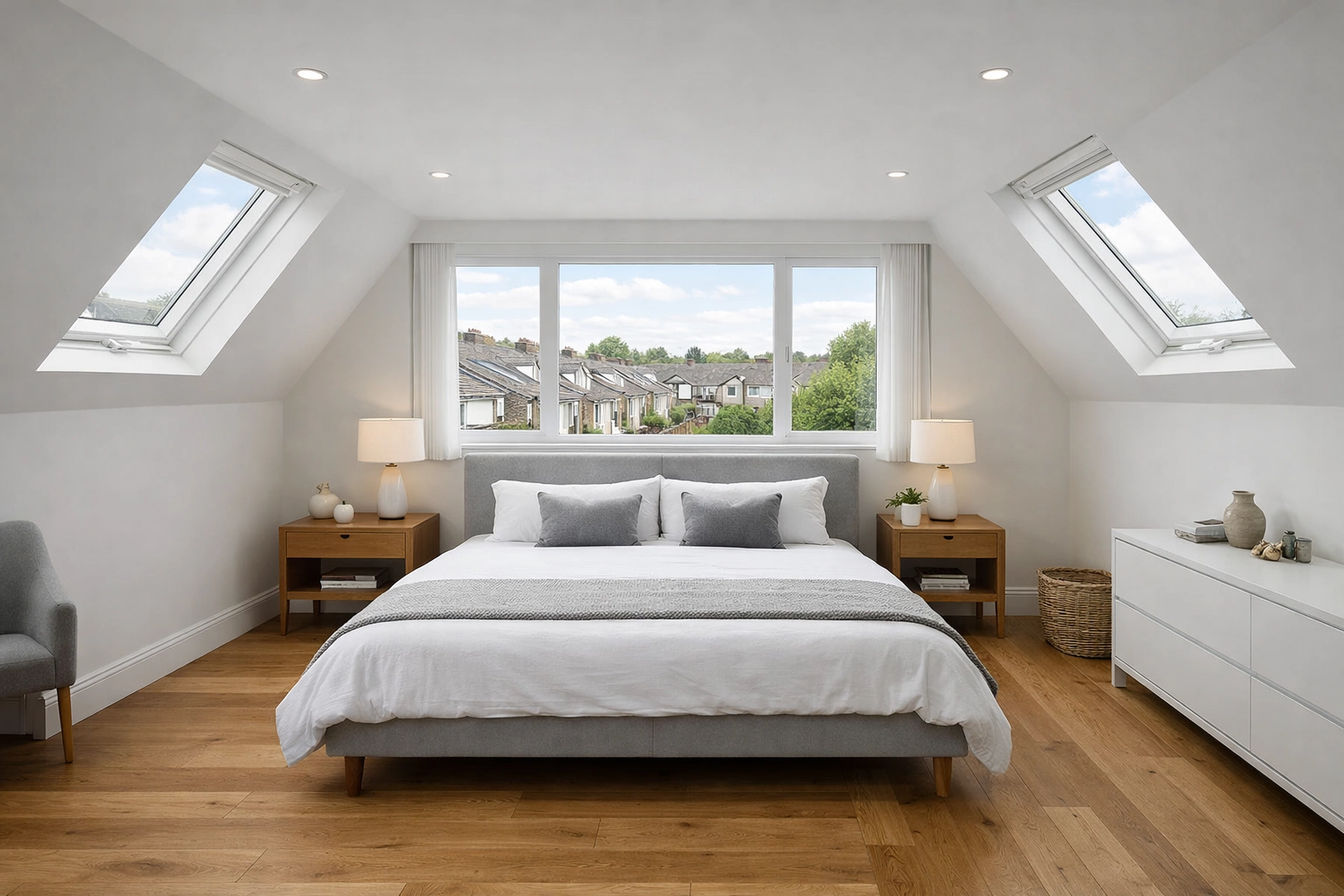
One of the biggest concerns for homeowners is the bureaucracy of planning. In many cases, loft conversions fall under Permitted Development (PD), meaning you do not need full planning permission as long as you stay within certain volume limits and aesthetic guidelines. This can save months of waiting for council approval.
House extensions are more likely to require full planning permission, especially if you are extending significantly or if your property is in a conservation area. As Chingford builders with two decades of local experience, we know how different councils: from Waltham Forest to Epping Forest District: approach these applications.
Using local planning knowledge is your best defense against rejected applications. You can learn more about navigating these hurdles in our article on loft conversion Epping and planning permission mistakes.
Cost Comparison and Timelines for 2026
When deciding between the two, the budget is often the deciding factor. In 2026, construction costs have stabilised, but London remains a premium area for materials and labour.
| Feature | Loft Conversion | House Extension |
|---|---|---|
| Average Cost | £45,000 – £85,000 | £75,000 – £150,000+ |
| Typical Duration | 6 – 10 Weeks | 12 – 24 Weeks |
| Primary Use | Bedrooms, Bathrooms, Offices | Kitchens, Living Areas, Utility Rooms |
| Planning Route | Often Permitted Development | Often Full Planning Permission |
| Disruption Level | Moderate (Scaffolding based) | High (Groundworks and knocking through) |
It is important to watch out for "hidden" costs. Many competitors will provide a quote that excludes VAT, structural engineering fees, or party wall agreements. At WJ Construction Ltd, we pride ourselves on transparency. Whether you are looking for kitchen extension costs in East London or a loft quote, we ensure you have the full picture before a single brick is laid.
Property Specifics: Is Your Home Suitable?
Not every home is equally suited for both options. Your decision should be guided by the physical constraints of your property:
- Head Height: For a loft conversion, you generally need a minimum of 2.2 metres from the top of the ceiling joists to the bottom of the ridge timber. If you have less than this, you may need to lower the ceilings of the floor below, which adds significant cost.
- Garden Size: If you have a small courtyard, a rear extension might leave you with no outdoor space at all, which could actually decrease your property's marketability.
- Foundations: Extensions require significant groundworks. If your site has difficult access or complex drainage, the costs of an extension can spiral.
- Terraced vs Detached: Terraced houses often face more stringent party wall issues and access restrictions. As experienced Walthamstow builders, we are used to working in tight urban spaces where logisitical planning is just as important as the building work itself.
Common Mistakes Homeowners Make
Over our 20 years in the trade, we have seen several recurring mistakes that can derail a project:
- Underestimating Disruption: Even with the best builders, an extension involves dust and noise. Some homeowners find it easier to move out for the most intensive phases. Check out our case study on adding 30% more space without moving out for tips on how to manage this.
- Prioritising the Lowest Quote: A cheap quote often leads to "variation" charges later or, worse, a sub-standard finish that devalues the property. Always look for a design and build East London specialist with a proven track record and accredited staff.
- Ignoring Energy Efficiency: In 2026, buyers are looking for high EPC ratings. Whether it is a loft or an extension, ensure your builder is using modern insulation and eco-friendly materials.
Making the Final Decision
Choosing between a loft conversion and a house extension ultimately comes down to your primary goal. If you need more bedrooms and want a cost-effective, fast, and relatively low-disruption project, the loft is your winner. If you want to radically change your lifestyle and create a modern, open-plan living space that flows into your garden, the extension is the way to go.
Regardless of which path you choose, the key to a successful build is working with a team that understands the local London landscape. From the narrow streets of Walthamstow to the leafy suburbs of Chigwell, WJ Construction Ltd brings two decades of expertise to every project. Our workforce is fully accredited, ensuring that your home is in safe, professional hands.
If you are planning a similar project in London, WJ Construction can advise on the best approach for your specific property and budget.
Get in touch to discuss your plans and next steps. Visit our contact page to book a consultation and turn your current house into your dream home.