

Planning a house extension in Chingford can feel overwhelming, especially when you're not sure what questions to ask or what information builders might not volunteer upfront. While most extension specialists are honest about their services, there are crucial insights that can save you thousands of pounds and months of stress that don't always make it into the initial sales pitch. Understanding these insider perspectives before you commit to a project puts you in control of the process. This guide reveals practical knowledge that experienced house extension specialists know but don't always share during those first meetings, helping you make informed decisions for your Chingford home.
The Real Cost-Saving Strategy Most Builders Won't Mention
Here's something that might surprise you: the best way to save money on your Chingford extension isn't where most homeowners think it is.
Invest heavily in structural elements and design, but economise on fittings. This approach contradicts what many homeowners instinctively do, but it's based on solid financial logic. Kitchen units, bathroom suites, and decorative elements depreciate over time and can be upgraded later without affecting your property's structural integrity or long-term value.
However, compromising on foundations, structural steelwork, insulation, or waterproofing will cost you significantly more when problems emerge or when you come to sell. A house extension specialist won't always emphasise this distinction because higher-end fittings often carry better profit margins.
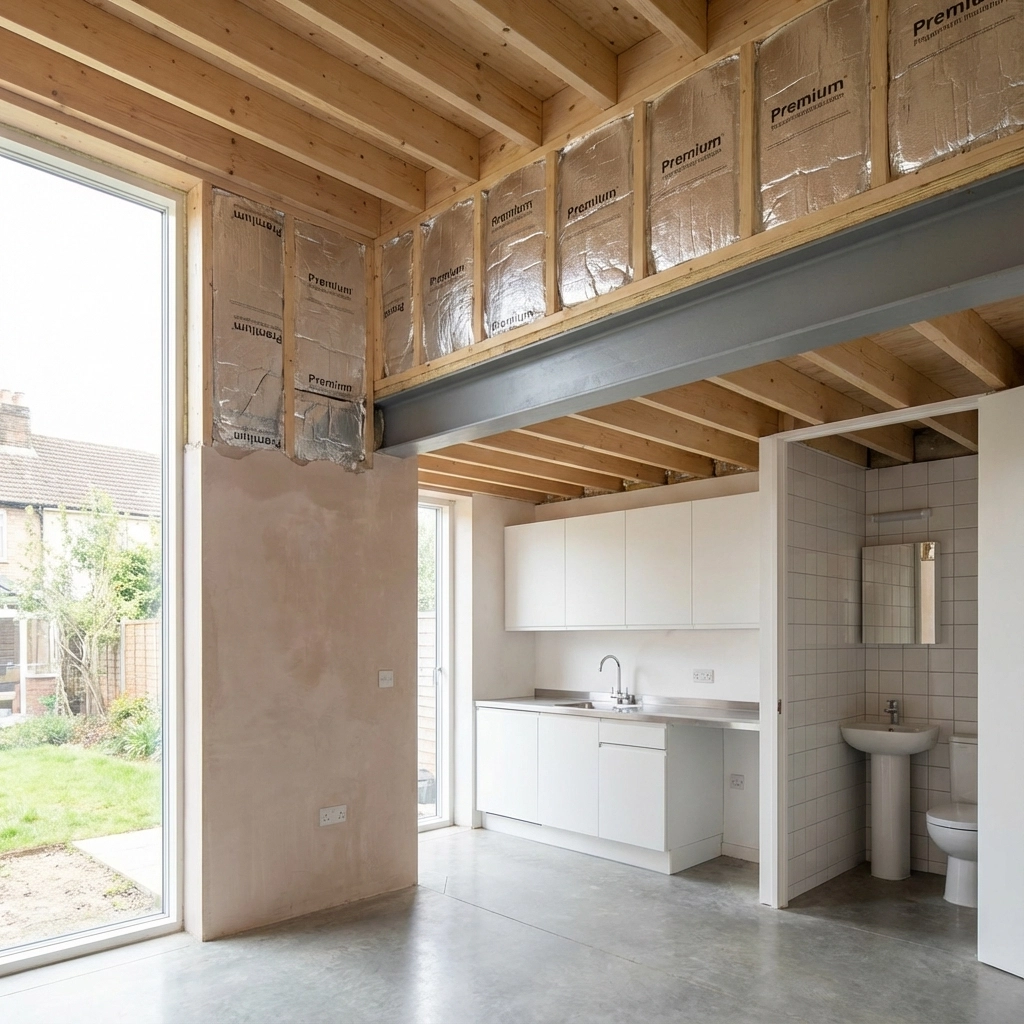
Where to Spend Your Budget Wisely
Essential structural investments:
- Foundation work and drainage
- Structural calculations and steelwork
- Proper insulation and damp-proofing
- Quality windows and external doors
- Roof structure and weatherproofing
Areas where you can economise initially:
- Kitchen cabinet finishes (can be replaced later)
- Bathroom suite specifications
- Internal door handles and hardware
- Light fittings and decorative elements
- Floor finishes (except structural subflooring)
This strategy allows you to create a solid, weatherproof extension that adds maximum value to your Chingford property while keeping initial costs manageable.
Planning Permission Realities in Chingford
Many homeowners assume all extensions require full planning permission, but this isn't always the case in Chingford. Understanding permitted development rights can save you both time and money.
Single-Storey Extensions
Single-storey rear extensions often fall under permitted development rights, meaning you can proceed without formal planning permission if your project meets specific criteria:
- Extends no more than 6 metres from the original house (detached properties) or 4 metres (semi-detached and terraced properties)
- Doesn't exceed 4 metres in height
- Eaves don't exceed 3 metres in height
- Doesn't cover more than 50% of the original garden area
Double-Storey Extensions Face Stricter Rules
Double-storey extensions have much tighter restrictions under permitted development. Most require full planning permission, especially if they:
- Extend more than 3 metres from the rear wall
- Exceed the height of the original roof
- Face a highway or public area
Conservation Areas Change Everything
If your Chingford property sits within a conservation area, permitted development rights are often restricted or removed entirely. Areas like Chingford Green and parts of Chingford Mount have additional planning constraints that many homeowners discover too late in the process.
Always check with Waltham Forest Council before assuming your project qualifies for permitted development.
Building Regulations: The Non-Negotiable Requirement
Here's something every house extension specialist knows but doesn't always emphasise upfront: Building Regulations approval is mandatory for all extensions, regardless of whether you need planning permission.
This requirement catches many DIY-minded homeowners off guard. Building Regulations ensure your extension meets safety standards for:
- Structural integrity
- Fire safety
- Insulation and energy efficiency
- Drainage and ventilation
- Electrical safety
The Two Application Routes
Building Notice: Simpler but offers less certainty. Work can start immediately, but inspectors make compliance decisions during construction.
Full Plans Application: More detailed upfront documentation, but provides certainty before work begins. This route is generally recommended for complex extensions.
Building Regulations fees typically add £400-800 to your project cost, but this isn't optional expenditure: it's a legal requirement.
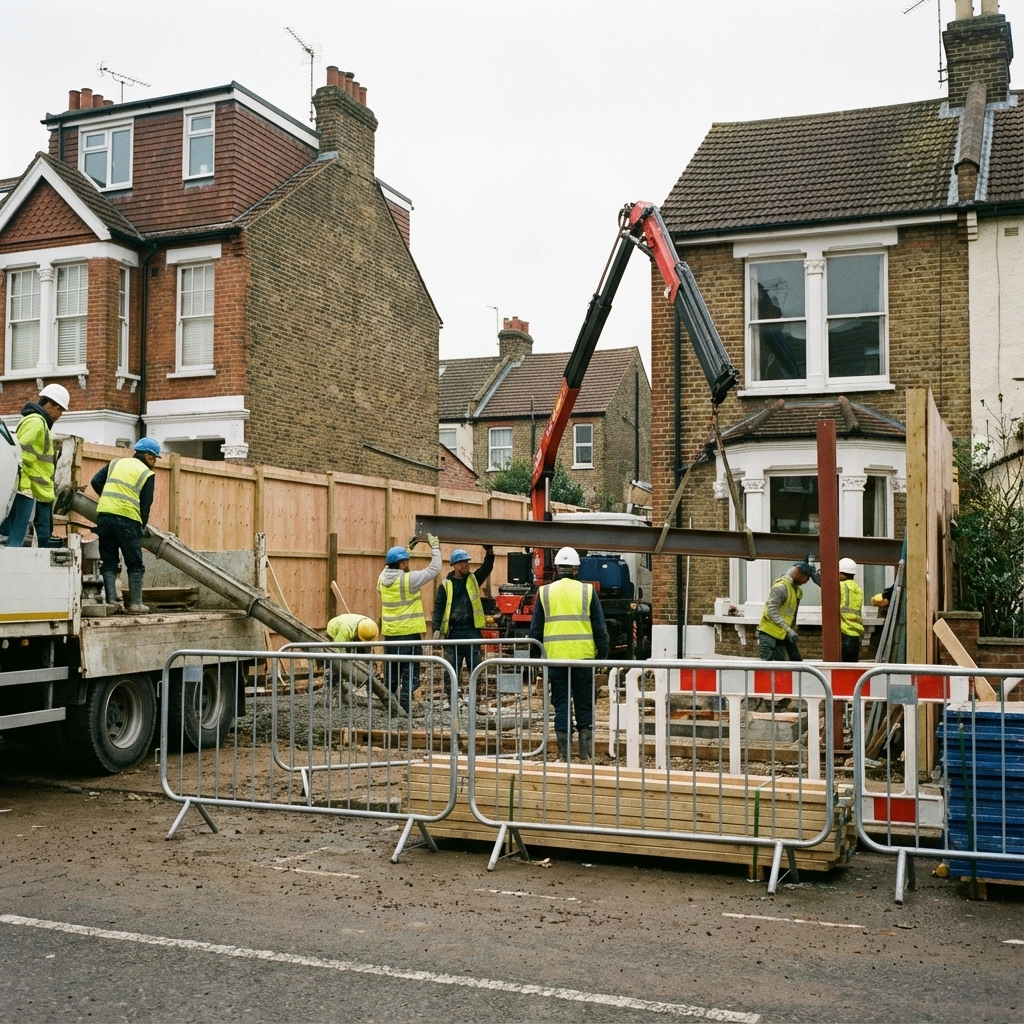
The Neighbour Consultation Secret
Experienced builders know that neighbour relations can make or break an extension project, but this doesn't always feature prominently in initial discussions.
Party Wall Act Requirements
If your extension involves work to:
- Shared walls or boundaries
- Foundations within 3 metres of a neighbour's property
- Excavations within 6 metres affecting foundations
You'll need to serve formal Party Wall notices. This process takes at least 8 weeks and can involve appointing surveyors at your expense if neighbours dissent.
The Informal Conversation Strategy
Before any formal notices, experienced house extension specialists recommend an informal conversation with neighbours. Explaining your plans, showing consideration for their concerns, and discussing timing can prevent formal disputes that delay projects and increase costs.
Common neighbour concerns to address proactively:
- Construction noise and working hours
- Parking and site access
- Protection of boundary features
- Duration and phases of work
- Dust and debris management
Common Pitfalls That Cost Chingford Homeowners
Under-Budgeting for Hidden Costs
Enthusiasm often leads to underestimating project complexity. Beyond the basic construction costs, budget for:
- Planning and building regulations fees (£500-2000)
- Party Wall agreements (£1000-3000 if disputed)
- Temporary accommodation or kitchen arrangements
- Garden reinstatement and boundary repairs
- Utility diversions or upgrades
- Storage for displaced belongings
Logistics Failures
Poor sequencing wastes time and money. Common logistics mistakes include:
- Not arranging skip permits before work starts
- Inadequate site access planning
- Poor coordination between different trades
- Insufficient weather protection for materials
- No contingency plans for utility disruptions
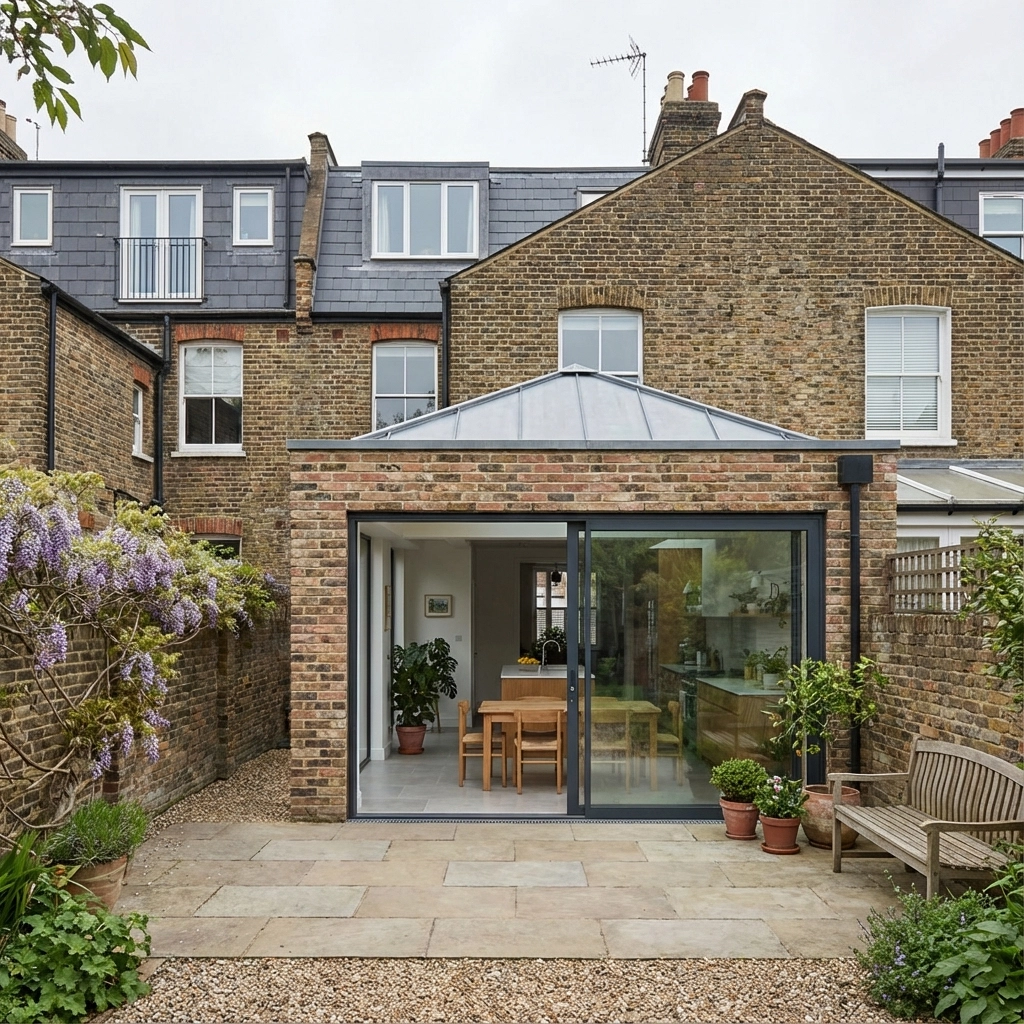
Choosing Based on Price Alone
The cheapest quote often becomes the most expensive project. Warning signs of problematic contractors include:
- Quotes significantly below others without clear explanations
- Reluctance to provide detailed breakdowns
- No local references or insurance documentation
- Pressure to start immediately
- Cash-only payment requests
The Material Quality Reality
House extension specialists work with materials daily and understand quality differences that aren't always obvious to homeowners.
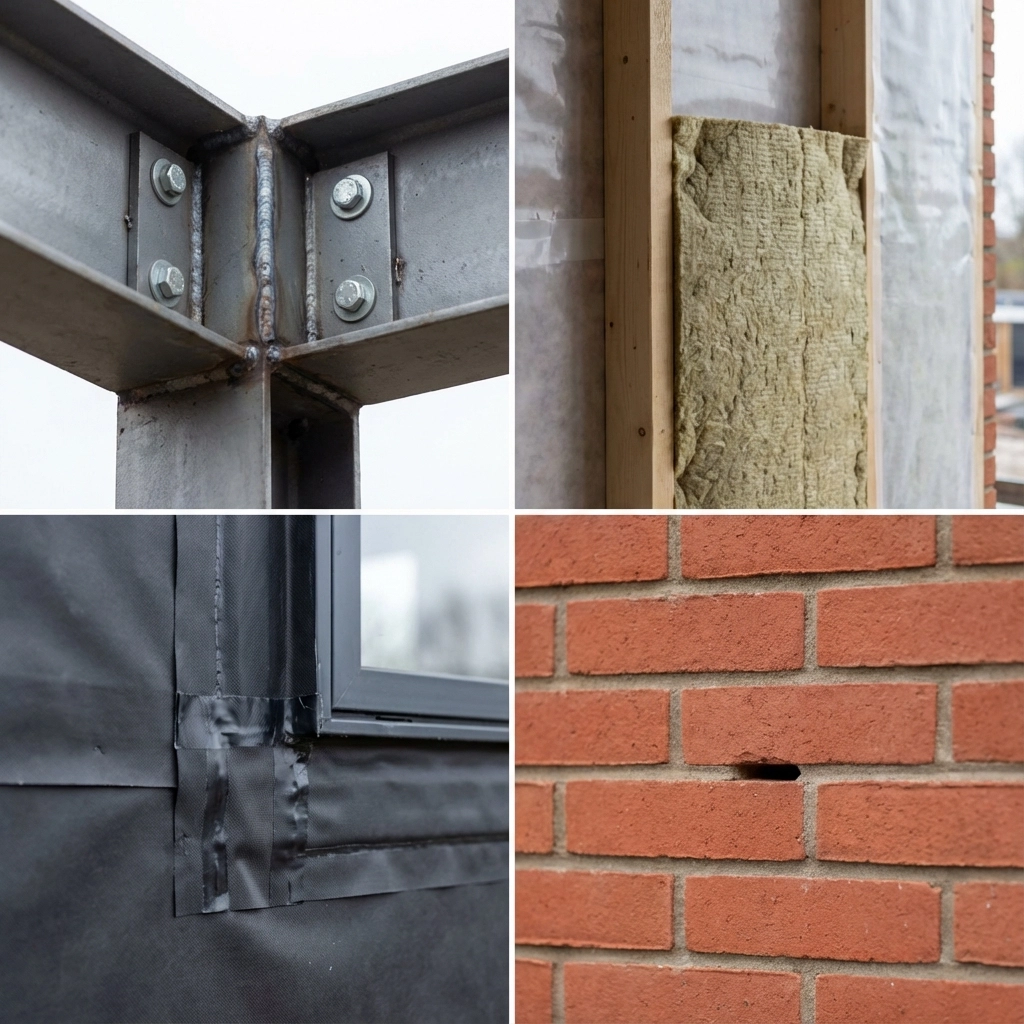
Structural Materials: Never Compromise
- Steel beams: Ensure proper specifications and certification
- Concrete: Weather delays are worth waiting for proper curing
- Insulation: Higher initial costs reduce long-term energy bills
- Damp-proof membranes: Failure here causes expensive remedial work
External Elements: Weather Resistance Matters
Chingford's weather puts external materials under constant stress. Invest in:
- Quality bricks that match existing property
- Proper roof membranes and guttering systems
- Windows with appropriate weather ratings
- External render systems designed for UK climate
Timeline Expectations: What Really Happens
Builders often present optimistic timelines, but realistic planning prevents disappointment.
Typical Single-Storey Extension Timeline
- Planning/Building Regulations: 8-12 weeks
- Construction: 8-12 weeks
- Internal finishing: 4-6 weeks
Factors That Cause Delays
- Weather conditions (especially groundwork phases)
- Material delivery delays
- Utility company response times
- Inspection scheduling
- Change requests during construction
Building in 20-30% additional time prevents stress and allows for quality work rather than rushed completion.
Making the Right Choice for Your Chingford Extension
Success depends on selecting experienced professionals who understand local requirements and maintain clear communication throughout your project.
Key Questions for Any House Extension Specialist
- Can you provide local Chingford references from the last two years?
- What's included in your insurance coverage?
- How do you handle change requests and additional costs?
- What's your approach to neighbour consultation?
- Can you provide a detailed timeline with milestone payments?
Summary
Planning a house extension in Chingford involves navigating planning requirements, building regulations, neighbour considerations, and contractor selection. Understanding where to invest your budget: prioritising structural elements over decorative finishes: can save thousands without compromising quality. Remember that Building Regulations approval is always required, neighbour consultation prevents costly disputes, and choosing contractors based on experience rather than price alone protects your investment.
The most successful extension projects combine realistic budgeting, proper planning, and clear communication with experienced professionals who understand Chingford's specific requirements and challenges.
If you're planning an extension project in Chingford, WJ Construction can provide expert guidance on planning requirements, realistic timelines, and the best approach for your specific property and budget. Contact us to discuss your plans and next steps.