
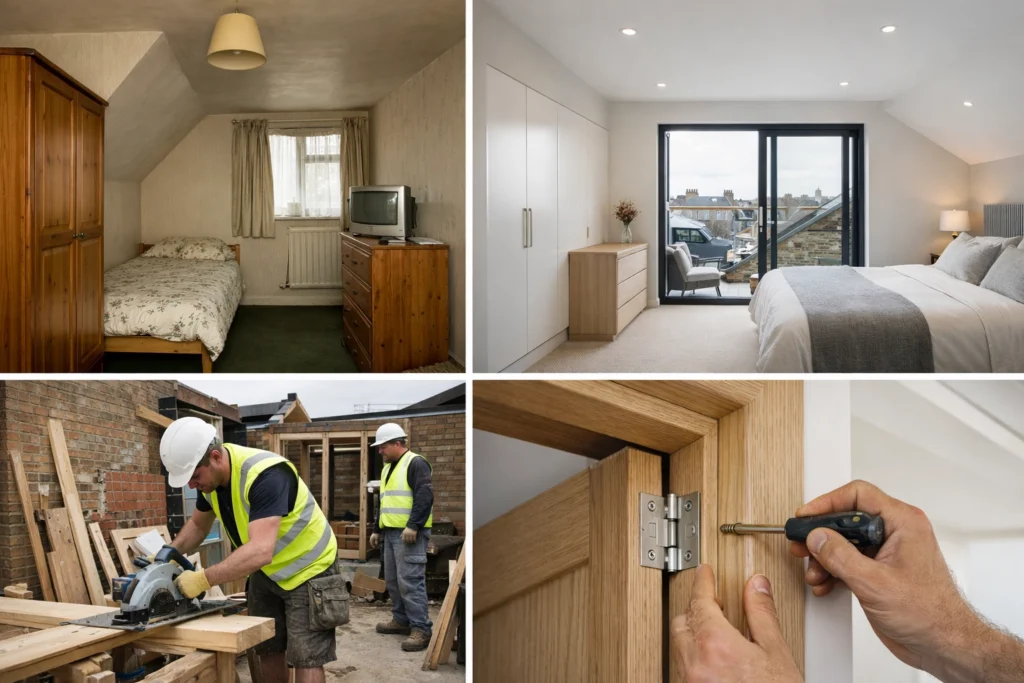
For many families in London, the realization that they are outgrowing their home often comes with a sense of dread. The thought of moving: incorporating stamp duty, estate agent fees, and the sheer logistical nightmare of relocating children from schools: is enough to make anyone hesitate. Building extensions London homeowners can rely on have become the preferred alternative, allowing families to gain the extra bedroom, larger kitchen, or dedicated home office they need without leaving the neighbourhood they love. However, the planning process can feel overwhelming.
In this guide, we will break down the essential steps to planning a successful extension. From understanding the legal requirements to maximizing every square inch of your plot, this is designed to help you navigate the journey with confidence and clarity.
Step 1: Understand Permitted Development vs. Planning Permission
The first hurdle for any London homeowner is determining what they are legally allowed to build. In the UK, many residential extensions can be completed under "Permitted Development" (PD) rights. This is a massive advantage for families because it often bypasses the lengthy and uncertain full planning permission process.
However, London properties come with specific caveats. If you live in a flat, a maisonette, or a listed building, PD rights usually do not apply. Similarly, if your home is in a Conservation Area: common in parts of Walthamstow and Epping: there are stricter limits on what you can change.
Generally, for a terraced or semi-detached house, you can often build a rear extension up to 3 or 6 metres (depending on the specific prior approval process) without full planning permission, provided the height does not exceed 4 metres. Understanding these boundaries early on prevents costly redesigns later. It is always advisable to work with a house extension specialist who understands the local council nuances in East London and Essex.
Step 2: Maximise Your Footprint Within the Rules
When space is at a premium, the goal is to maximise square footage without encroaching too much on your garden. In London, the most effective way to do this is often through a side-return extension or a wraparound extension.
The Side-Return Extension
Many Victorian and Edwardian terraced houses have a narrow strip of land running alongside the rear projection of the house. By reclaiming this "dead space," you can transform a cramped, dark kitchen into a wide, light-filled open-plan living area. While the square footage gained might seem small on paper, the impact on the flow and feel of the ground floor is transformative.
The Wraparound Extension
This combines a rear extension with a side-return, creating an L-shaped addition. This is the ultimate way to maximise space, though it almost always requires full planning permission. It allows for a complete reconfiguration of the ground floor, often making room for a utility room or a downstairs WC: essentials for a growing family.
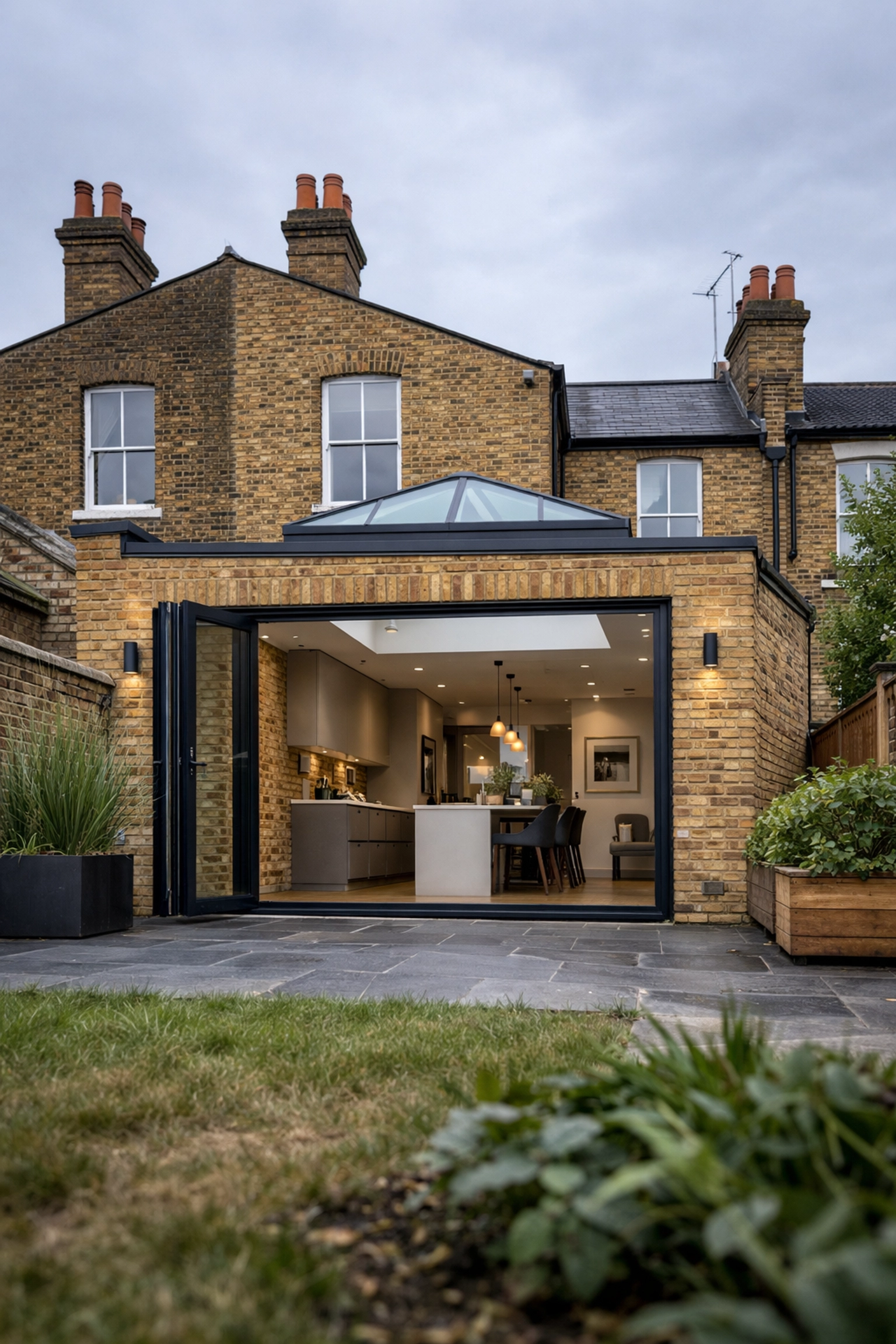
Step 3: Designing for Family Life and Light
Adding square footage is one thing; making that space functional for a family is another. When planning building extensions London families often overlook the "middle" of the house. As you extend outwards, the original centre of the home can become dark.
To combat this and ensure your new space feels as large as possible, consider the following:
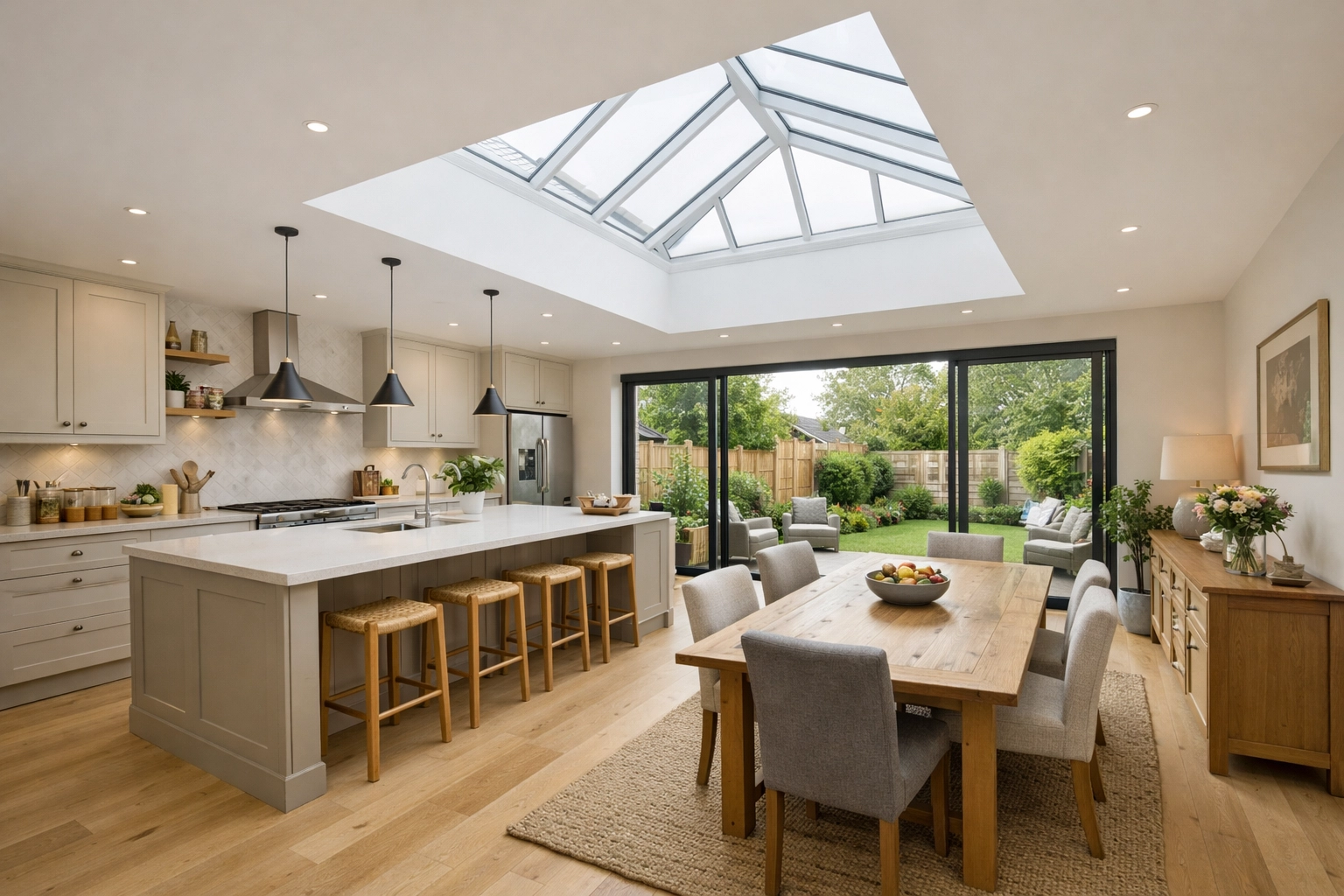
- Roof Lanterns and Skylights: These bring light deep into the floor plan, making even narrow extensions feel airy.
- Bifold or Crittall-style Doors: Integrating the garden with the living space creates an "indoor-outdoor" feel that visually doubles the size of the room during the summer months.
- Smart Storage: With children, clutter is inevitable. Use the extension planning phase to build in "hidden" storage, such as floor-to-ceiling cabinetry or under-bench seating in a dining nook.
A well-designed extension should not just be an "extra room" but a better way to use the entire house. Thinking about how your family moves through the space daily will dictate where the doors, islands, and sofas should go.
Step 4: The Legalities and Protections
Before a single brick is laid, you must ensure your legal and financial protections are in order. This is the part of the process that gives many homeowners the most anxiety, but it is straightforward if handled correctly.
Party Wall Agreements
If your extension involves building on or near the boundary of a neighbour’s property: which is almost guaranteed in London: you will need a Party Wall Agreement. You must notify your neighbours of your intentions at least two months before work starts. If they dissent, you will need to appoint a surveyor to resolve the matter.
Insurance and Peace of Mind
At WJ Construction Ltd, we believe that transparency is key to a stress-free build. Always ensure your contractor holds comprehensive public liability insurance. This protects you and your property in the unlikely event of an accident. Furthermore, check that the work will be signed off by Building Control, ensuring it meets all safety and structural standards. This is vital for when you eventually decide to sell the property; without these certificates, the extension could devalue your home rather than increase its worth.
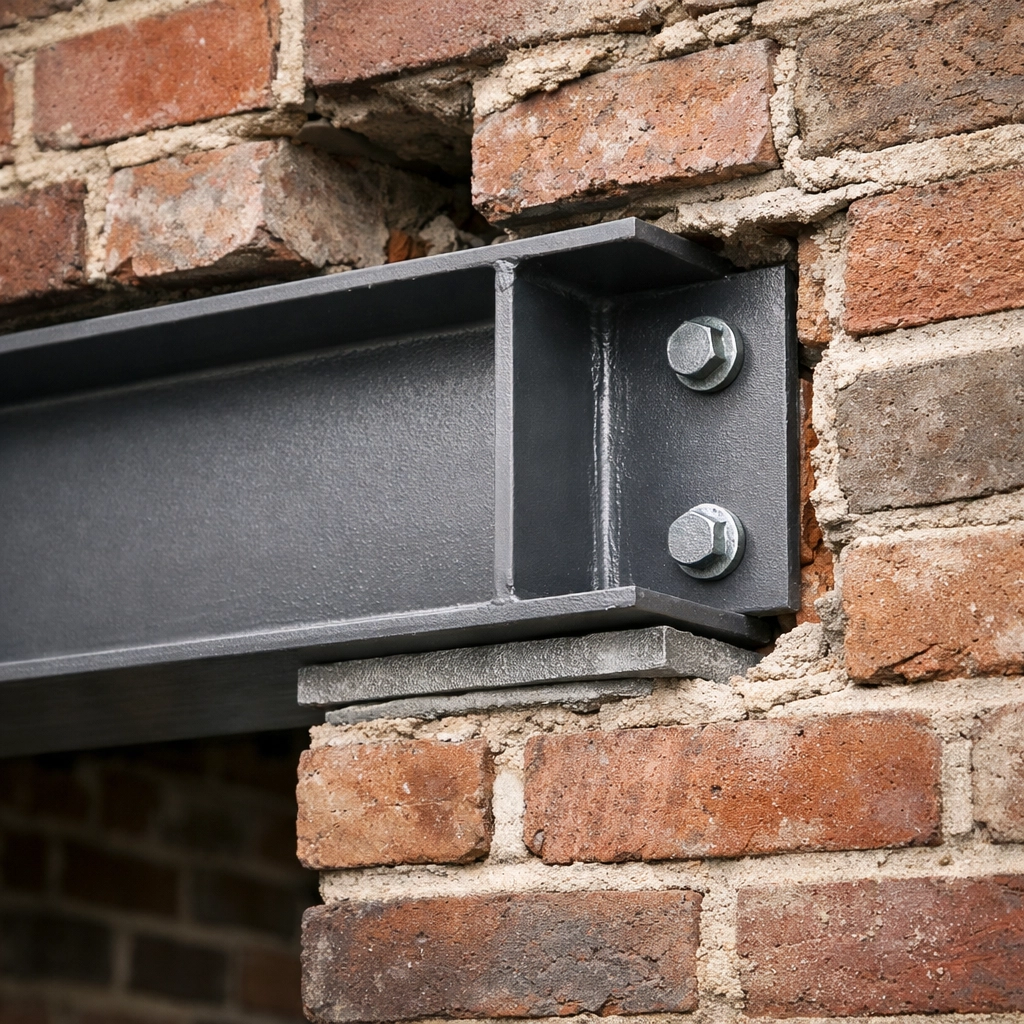
Step 5: Managing the Build and the "Tidy Workplace" Approach
One of the biggest deterrents for families considering an extension is the fear of living in a construction site. The dust, the noise, and the presence of workers can be disruptive to family routines.
When choosing a builder, look for a team that prioritises a tidy workplace. We understand that while we are building an extension, we are doing so in your home. Maintaining a clean site isn't just about aesthetics; it’s about safety, especially if you have young children or pets.
Typical Timeline for a London Extension
- Planning and Design: 8–12 weeks (if full planning permission is needed).
- Pre-construction (Party Walls/Contracts): 4–6 weeks.
- The Build: 12–20 weeks depending on the complexity and size.
By having a clear timeline and a project manager who communicates regularly, the "disruption" becomes much more manageable. You can plan for the weeks when the water might be off or when the back of the house will be open to the elements.
Common Mistakes to Avoid
Even with the best intentions, building projects can go off track. Here are a few common pitfalls we see homeowners face:
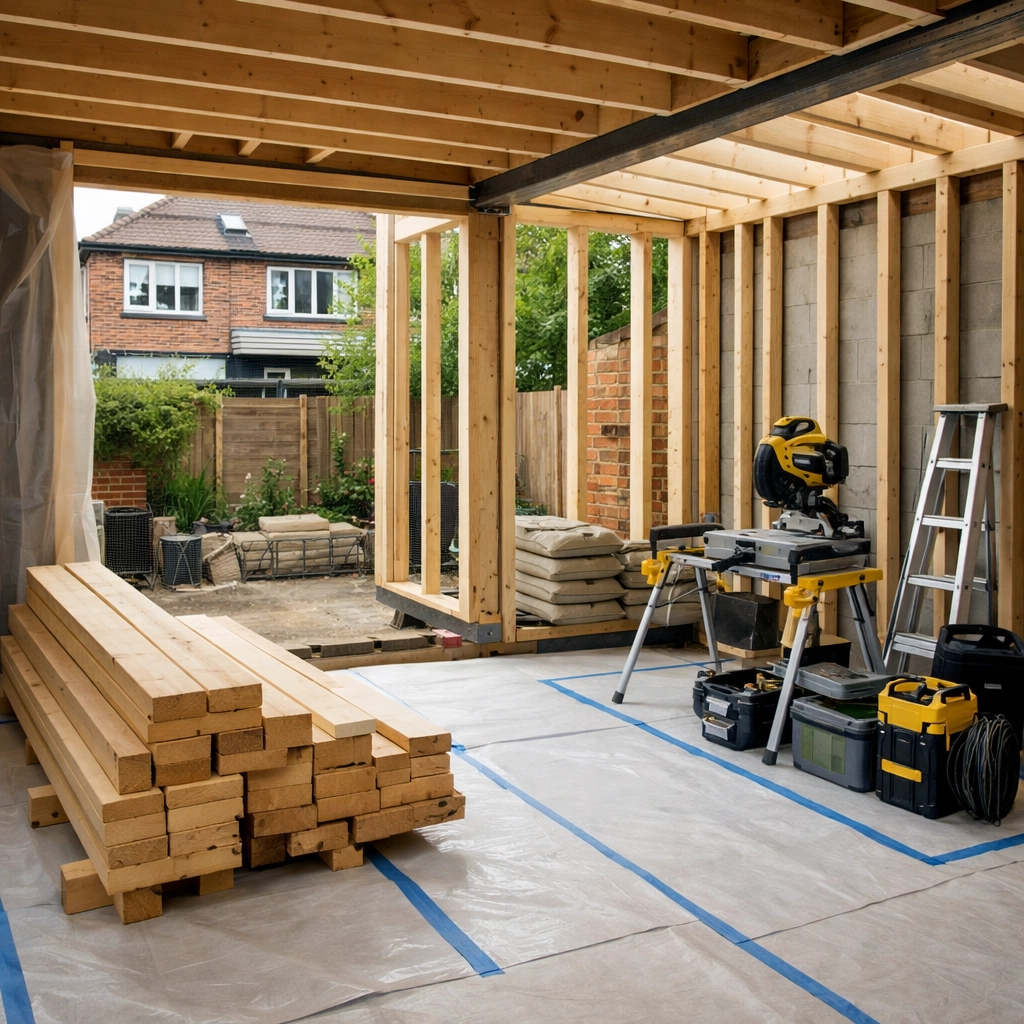
- Underestimating the Budget: Always allow a 10-15% contingency fund. Unforeseen issues, like finding old drains or Victorian foundations that need reinforcing, can arise once the ground is broken.
- Focusing Only on the Build Cost: Don't forget the "soft costs" like VAT, planning fees, and professional surveys.
- Choosing the Cheapest Quote: In the London building trade, a quote that seems too good to be true usually is. It often indicates a lack of experience or a strategy of adding "extras" later. For more advice on this, see our guide on how to spot a high-quality quote.
- Inadequate Planning for the Interior: Decide on your kitchen layout and lighting points before the structural work is finished. Moving a socket or a waste pipe after the walls are plastered is expensive.
Why Staying Put Makes Financial Sense
In the current market, moving house is often the most expensive mistake a London family can make. When you calculate the tens of thousands of pounds lost to taxes and moving fees: money that adds zero value to your life: investing that same capital into your current home becomes the logical choice.
An extension not only provides the immediate benefit of a better lifestyle but typically adds more value to the property than the cost of the build itself. In areas like Walthamstow, Epping, and Chingford, where property prices remain resilient, a high-quality extension is a sound long-term investment.
Conclusion
Planning a building extension in London is a journey of five clear steps: understanding your rights, maximising your footprint, designing for light, securing your legal protections, and managing the build with a professional team. While the process requires careful thought and a bit of patience, the reward is a home that grows with your family, tailored specifically to how you live.
At WJ Construction Ltd, we specialise in helping families navigate this process from start to finish. We pride ourselves on our professional approach, our commitment to a tidy workplace, and our deep understanding of the London residential landscape.
If you’re planning a similar project in London and want to discuss how to make the most of your space, get in touch with us to discuss your plans and next steps.