
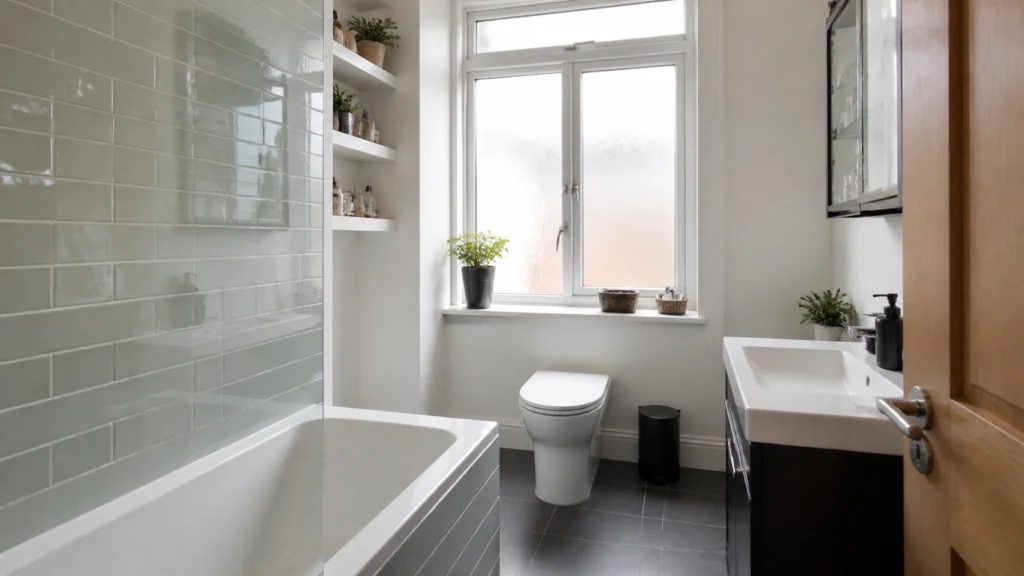
For many homeowners in East London, the dream of a spacious, spa-like bathroom often feels at odds with the reality of Victorian and Edwardian architecture. These beautiful period properties, while full of character, frequently present narrow, awkward footprints and plumbing challenges that can make a standard bathroom refurbishment feel daunting. However, a small footprint does not have to mean a compromise on style or functionality. With the right planning and design expertise, even the tightest "galley" bathroom can be transformed into a bright, efficient, and relaxing space.
In this guide, we will explore practical design tips specifically tailored for East London homes. From clever layout adjustments to visual tricks that expand the perception of space, we will explain how professional walthamstow builders approach these projects to ensure every square inch is utilised effectively. Whether you are planning a full house refurbishment or a targeted bathroom conversion, these insights will help you navigate the unique constraints of London property design.
The Unique Challenges of East London Bathroom Layouts
Most residential properties in areas like Walthamstow, Leyton, and Chingford are traditional terrace houses. These buildings were often constructed with small rear additions or "outriggers" where bathrooms were eventually installed. Consequently, these rooms are often narrow, have limited natural light, and are restricted by the position of original soil stacks and external drainage.
When considering bathroom ideas small space layouts, the first step is to work with the existing architecture rather than against it. Victorian bathrooms often have high ceilings but narrow widths. A common mistake is to ignore the vertical space and focus only on the floor area. By drawing the eye upwards and choosing fixtures that suit a narrower profile, you can avoid the "cramped" feeling that often plagues older London conversions.
Understanding the Soil Stack Constraint
In many East London terraces, the toilet must remain relatively close to the external soil pipe to ensure proper drainage without invasive floor work. This often dictates the layout of the rest of the room. Professional builders will assess this first, as moving a soil stack can significantly increase costs. Instead of moving the stack, clever designers focus on "floating" the other fixtures around it to create a sense of flow.
Smart Layout Strategies for Narrow Bathrooms
The key to a successful small bathroom conversion is "breathability." This doesn't mean you need more square footage; it means you need to see more of the floor and walls.
Wall-Hung Fixtures
One of the most effective ways to make a room feel larger is to install wall-hung toilets and vanities. By lifting these items off the floor, the eye can travel right to the wall, creating an illusion of more space. Wall-hung toilets also feature concealed cisterns tucked behind a stud wall, which can provide a useful ledge for storage or decorative items.
Short-Projection Pans and Compact Basins
Standard bathroom fixtures are often too deep for narrow London rooms. Choosing "short-projection" toilets and slimline basins can save 10-15cm of vital floor space. While this might sound minor, in a room that is only 1.5 metres wide, that extra 10cm makes a significant difference to the ease of movement.

The Power of Pocket Doors
Traditional hinged doors require a "swing zone," which often takes up a quarter of the usable space in a small bathroom. Replacing a standard door with a pocket door: which slides into a cavity in the wall: removes this obstacle entirely. This allows for a more flexible placement of the shower or basin near the entrance.
Visual Tricks to Create the Illusion of Space
Design is not just about where things go; it is about how they are perceived. Using specific materials and lighting can trick the brain into thinking a room is larger than its physical dimensions.
Tile Selection and Placement
The choice of tiles is critical. Large-format tiles with minimal grout lines create a seamless look that makes walls appear further away. Conversely, small, busy patterns can sometimes make a space feel "noisy" and cluttered.
- Vertical Stacking: If you have high Victorian ceilings, stacking rectangular tiles vertically can emphasise the height, making the room feel loftier.
- Continuous Flooring: Using the same tile for the floor and the walk-in shower area creates an unbroken line that elongates the room.
Strategic Use of Mirrors
A large, well-placed mirror is perhaps the oldest trick in the book, but it remains the most effective. For narrow East London bathrooms, a wall-to-wall mirror placed above the vanity can double the perceived width of the room. It also helps bounce light from small windows into the darker corners of the space.

Lighting Layers
Relying on a single central ceiling light often creates shadows that make a room feel small and dingy. Instead, aim for layered lighting:
- Task Lighting: Bright LEDs around or behind the mirror for daily use.
- Ambient Lighting: Dimmable ceiling spots for a relaxing atmosphere.
- Accent Lighting: LED strips in recessed niches or under a floating vanity to create a "glow" that pushes the boundaries of the room.
Intelligent Storage Solutions
Clutter is the enemy of the small bathroom. When toiletries and towels are left on surfaces, the room feels instantly smaller. Integrating storage into the fabric of the building is the best way to maintain a clean aesthetic.
Recessed Niches
Instead of bulky chrome shower caddies that rust and take up space, ask your builder to create recessed niches within the wall studs. These "alcoves" are tiled to match the walls and provide a flush, permanent home for shampoos and soaps.

Mirrored Wall Cabinets
A mirrored cabinet that is recessed into the wall provides the dual benefit of a large mirror and hidden storage for medicines and toothbrushes. This keeps the area around the basin clear and tidy.
Utilising Over-Door Space
In bathrooms with high ceilings, a shelf installed above the door is an excellent place to store spare towels or items that are not used daily. It utilises "dead space" that is otherwise ignored.
Practical Guidance: Planning Your Bathroom Conversion
Planning a refurbishment in an older property requires a methodical approach to avoid unexpected costs. If you are looking for Walthamstow builders or specialists in East London, ensure your planning phase includes the following steps.
Bathroom Planning Checklist
- Survey the Plumbing: Identify the location of the soil stack and water inlets. Can they be moved, or must you design around them?
- Prioritise Fixtures: If space is very tight, decide if you truly need a bathtub. A high-quality walk-in wet room often adds more value and functionality to a small London flat than a cramped tub.
- Ventilation Check: Older properties often suffer from dampness. Ensure your plan includes a high-powered, quiet extractor fan, especially if the bathroom has no window.
- Heating Solutions: Consider underfloor heating. It removes the need for a bulky radiator, freeing up wall space for a towel rail or additional storage.
- Lighting Plan: Map out where you need light for tasks versus where you want softer lighting for relaxation.

Anticipated Timelines
A standard bathroom refurbishment or conversion in an East London terrace typically takes between 2 to 3 weeks. This includes the strip-out, plumbing first-fix, plastering, tiling, and final installation of fixtures. Working with an experienced team like WJ Construction ensures that disruption is kept to a minimum and the workplace is kept tidy throughout the process.
Balancing Modern Needs with Period Character
While the goal is often to create a modern, functional space, many homeowners want to retain the charm of their East London property. You can achieve this by mixing contemporary fixtures with period-inspired finishes. For example, using classic metro tiles in a modern vertical layout, or opting for traditional crosshead taps with a sleek, wall-hung basin.
This "transitional" style is particularly popular in house extensions and full house refurbishments, where the new elements of the home need to feel connected to the original structure.
Summary
Maximising a small bathroom in East London is entirely possible with a focus on smart layouts, visual tricks, and integrated storage. By lifting fixtures off the floor, using large mirrors, and planning for recessed storage, you can create a room that feels twice its actual size. The key is to work with the unique constraints of Victorian and Edwardian architecture, using modern building techniques to overcome traditional layout hurdles.
Whether you are looking to add a small ensuite as part of a loft conversion or want to completely overhaul your existing family bathroom, professional guidance is essential to ensure the space is both beautiful and durable.
If you’re planning a similar project in London, WJ Construction can advise on the best approach to maximise your space. Get in touch to discuss your plans and next steps.
{“@type”:”BlogPosting”,”image”:”https://cdn.marblism.com/2-camW-nlsl.webp”,”author”:{“name”:”WJ Construction Ltd”,”@type”:”Organization”},”@context”:”https://schema.org”,”headline”:”Maximising Small Spaces: Clever Design Tips for East London Bathrooms”,”keywords”:”walthamstow builders, bathroom ideas small space, London bathroom renovation, Victorian bathroom tips”,”publisher”:{“logo”:{“url”:”https://www.wjconstructionltd.co.uk/logo.png”,”@type”:”ImageObject”},”name”:”WJ Construction Ltd”,”@type”:”Organization”},”description”:”A comprehensive guide for East London homeowners on how to design and maximise small bathrooms in Victorian and Edwardian terrace houses.”,”datePublished”:”2026-05-20″,”articleSection”:”Home Improvement”,”mainEntityOfPage”:{“@id”:”https://www.wjconstructionltd.co.uk/blog/maximising-small-spaces-east-london-bathrooms”,”@type”:”WebPage”}}