
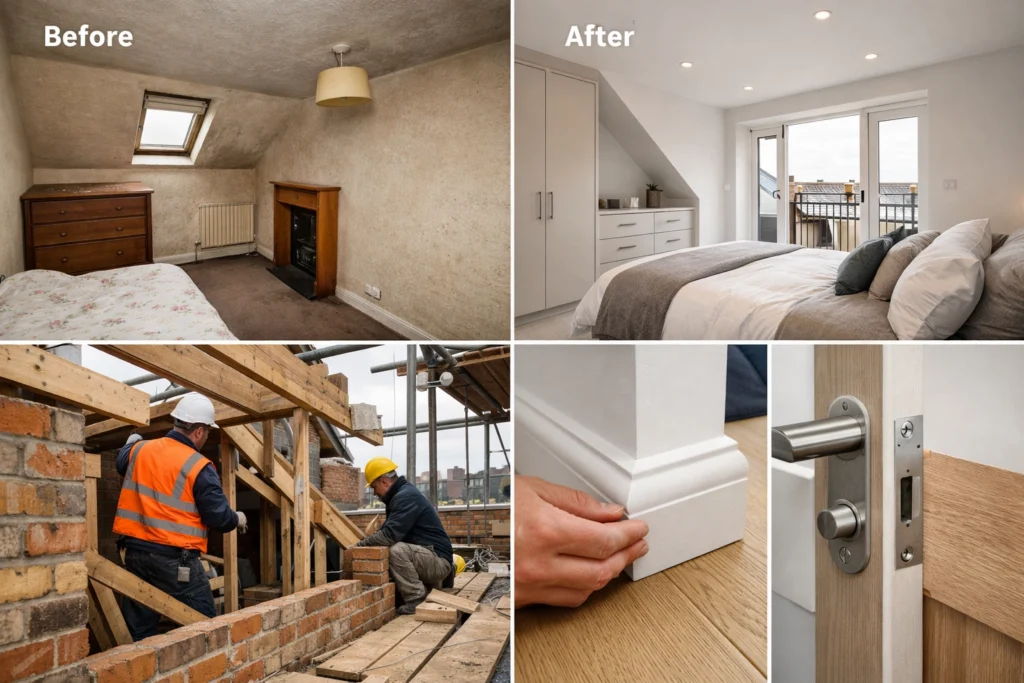
Embarking on a home renovation, extension, or loft conversion is a significant milestone for any homeowner in Chingford. While the prospect of extra space and increased property value is exciting, the process of finding the right building partner can often feel overwhelming. With so many options available, distinguishing between a high-quality professional and an unreliable contractor is essential to the success of your project. This guide outlines ten critical factors you should consider before hiring Chingford builders to ensure your home improvement journey is smooth, transparent, and results in a high-quality finish.
1. The Value of Local Knowledge and Expertise
Hiring builders who are specifically familiar with the Chingford area offers several distinct advantages. Local builders understand the architectural nuances of the E4 postcode, from the Victorian and Edwardian terraces near the station to the 1930s semi-detached homes common in the North Chingford heights.
Furthermore, experienced Chingford builders will have an established relationship with the Waltham Forest planning department. They understand local building constraints, parking restrictions for skips and deliveries, and the specific soil conditions in the area. This local insight helps in navigating planning permission and building regulations more efficiently, reducing the risk of unexpected delays.
2. Verify Accreditations and Trade Memberships
A professional building company should be able to demonstrate their commitment to quality through formal accreditations. When vetting potential contractors, look for memberships in recognised industry bodies such as:
- The Federation of Master Builders (FMB): Requires members to pass an inspection and uphold a strict code of practice.
- TrustMark: A government-endorsed quality scheme.
- Gas Safe Register: Essential if the project involves boiler relocation or gas work.
- NICEIC or NAPIT: For electrical safety and competence.
Verifying these credentials provides an added layer of protection and reassurance that the work will meet current UK safety standards.

3. Comprehensive Insurance and Guarantees
Before any work begins on your property, it is vital to confirm that your chosen builder holds the correct insurance. This is not just a formality; it is a critical safeguard for your financial security. You should ask to see proof of:
- Public Liability Insurance: Protects you and your neighbours against accidental damage or injury caused by the building work.
- Employer’s Liability Insurance: Covers the workers on your site.
- Contract Works Insurance: Covers the project while it is in progress (e.g., in the event of a fire or storm damage).
Additionally, ask about the guarantees provided upon completion. A reputable company will offer a clear structural guarantee, typically lasting 10 years, providing peace of mind that they stand behind the quality of their craftsmanship.
4. Distinguishing Between Quotes and Estimates
One of the most common pitfalls in the construction industry is a misunderstanding of pricing. An "estimate" is often a rough guess and is subject to change. A "quote," however, should be a fixed price for a specific scope of work.
When comparing Chingford builders, ensure you are receiving a detailed, itemised quote. This should include:
- Clear breakdown of materials and labour.
- Provisions for waste removal and skip hire.
- Scaffolding costs.
- VAT (if applicable).
A transparent quote prevents "hidden extras" from appearing halfway through the build. If one quote is significantly lower than others, it is often because certain elements have been omitted or the quality of materials is inferior.
5. The Importance of a Detailed Onsite Survey
A professional builder should never provide a final quote based solely on a phone call or a few photos. An onsite survey is essential for assessing the structural integrity of the existing building, identifying potential drainage issues, and understanding access limitations.
During the survey, a competent builder will take precise measurements and discuss your goals in detail. This meeting is also your opportunity to judge their professionalism. Do they arrive on time? Do they ask intelligent questions? Do they offer practical solutions to potential problems? This initial interaction often sets the tone for the entire project.
6. Communication and Project Management
Effective communication is the cornerstone of a successful construction project. Before hiring, establish who your main point of contact will be. Will you be speaking directly to the business owner, or will there be a dedicated site manager?
Ask how often you will receive updates and what the process is for handling "variations" (changes to the original plan). A builder who uses modern project management tools or provides weekly progress reports demonstrates a level of organisation that is vital for keeping large-scale projects, such as house extensions or loft conversions, on track.

7. Multi-Trade Teams vs. Subcontracting
When hiring a building firm, it is beneficial to know if they employ a consistent team of tradespeople or if they rely heavily on external subcontractors. Companies that have in-house specialists: including carpenters, bricklayers, and plumbers: often enjoy better control over the schedule and quality of work.
A multi-trade approach ensures that the transition between different stages of the build is seamless. For example, the electricians can be scheduled to arrive exactly when the "first fix" is ready, preventing the project from stalling while waiting for an external contractor to become available.
8. Requesting Local References and Viewing Portfolios
Any builder can claim to be the best, but a professional company will have a portfolio of completed work to prove it. Ask to see examples of projects similar to yours that they have completed in East London or Chingford.
If possible, ask for the contact details of past clients. Speaking to a previous customer allows you to ask specific questions:
- Did the builder stay on budget?
- Was the site kept tidy?
- Was the project completed within the agreed timeframe?
- How did they handle any issues that arose during the build?
Viewing a builder’s work in person, even if just from the street, can give you a clear sense of their attention to detail and the quality of their finishes.
9. Understanding Payment Schedules and Contracts
Never agree to pay the full amount for a building project upfront. A professional building company will provide a clear payment schedule linked to specific milestones. A typical structure might involve:
- A small deposit to secure the start date.
- Staged payments upon completion of the foundations, wall plate, roof, and "first fix."
- A final "retention" payment, usually 2.5% to 5%, held back until any snagging issues are resolved.
Ensure all of this is documented in a written contract. Contracts protect both parties by clearly defining the scope of work, the price, the timeline, and the dispute resolution process.

10. Site Management and Household Disruption
Building work is inherently disruptive, but a high-quality builder will take steps to minimise the impact on your daily life. Before hiring, discuss the logistics of the build:
- What time will the team arrive and leave each day?
- How will they protect your existing flooring and furniture?
- Where will materials and tools be stored?
- Will there be a portable toilet on-site for the workers?
A builder who prioritises site tidiness and safety is likely to apply that same level of care to the actual construction of your home. Clear expectations regarding site conduct help maintain a positive relationship throughout the duration of the project.
Conclusion
Choosing the right partner for your home improvement project is a decision that requires careful research and due diligence. By focusing on local expertise, verified accreditations, and transparent communication, you can avoid common pitfalls and ensure your project is completed to the highest standards.
Whether you are planning a modern kitchen extension or a complex loft conversion, the right builder will act as a consultant and partner, guiding you through the technicalities while respecting your vision and budget.
If you are planning a project in East London or require experienced Chingford builders, WJ Construction Ltd can advise on the best approach for your home. We pride ourselves on delivering clarity, quality, and professional service across all our building projects. Get in touch today to discuss your plans and take the first step toward transforming your property.