
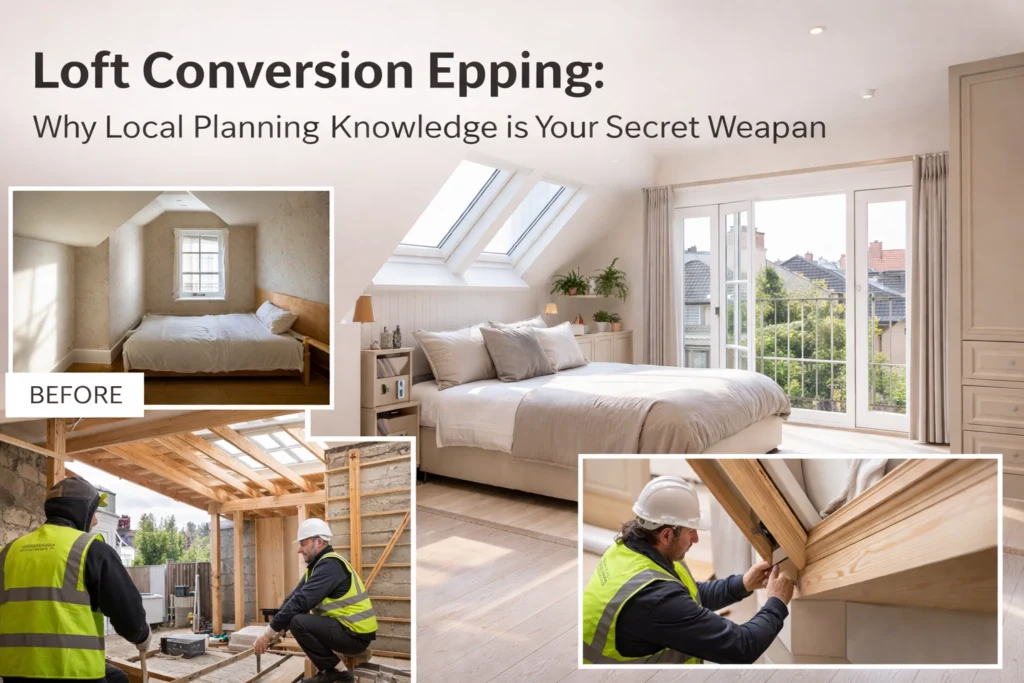
If you're considering a loft conversion in Epping, you've probably already started researching costs and timelines. But here's something many homeowners overlook until it's too late: the planning process in Epping isn't quite the same as in neighbouring areas. Epping Forest District Council has its own approach, and understanding these local nuances before you start can save you weeks of delays and unexpected expenses. This guide explains exactly what you need to know about planning in Epping, and why working with builders who understand the local landscape makes all the difference.
Why Epping Loft Conversions Need a Local Approach
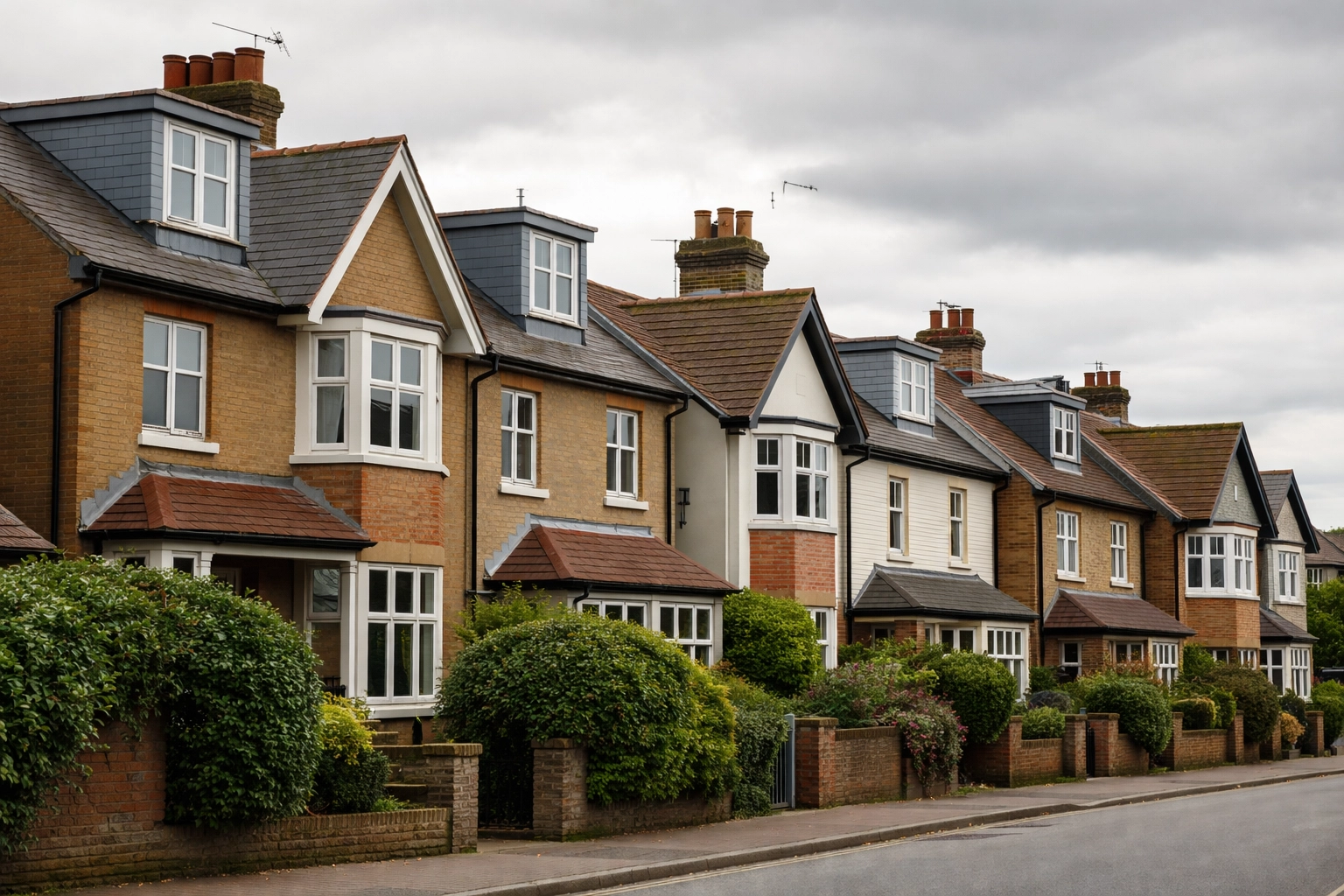
Epping sits within the Epping Forest District, which brings specific planning considerations that don't always apply elsewhere in Essex or London. The area includes conservation zones, Green Belt boundaries, and properties with particular architectural character that the council takes seriously.
Many national loft conversion companies will quote you a price based on generic UK guidelines. That's fine until your application hits a local planning officer's desk and gets flagged for something they didn't anticipate.
What Makes Epping Forest District Different?
The council here is particularly attentive to:
- Impact on the Epping Forest Special Area of Conservation – properties within certain zones may face additional scrutiny
- Conservation area restrictions – parts of Epping town centre and surrounding areas have stricter rules on external alterations
- Green Belt considerations – if your property borders Green Belt land, permitted development rights may be more limited
- Character of the streetscape – dormer windows and roof alterations that change the visual profile of a street can face objections
Understanding these factors upfront shapes everything from your initial design to your final budget.
Planning Permission vs Building Regulations: The Epping Essentials
One of the biggest sources of confusion for homeowners is the difference between planning permission and building regulations. They're separate processes, and you may need to deal with both.
Do You Need Planning Permission in Epping?
Most loft conversions fall under permitted development rights, which means you won't need formal planning permission as long as your project meets specific criteria. These include:
- The additional roof space doesn't exceed 40 cubic metres for terraced houses or 50 cubic metres for detached and semi-detached properties
- No extension extends beyond the existing roof slope facing the highway
- Materials used are similar in appearance to the existing property
- No verandas, balconies, or raised platforms are included
- Side-facing windows are obscure-glazed and non-opening (unless 1.7m above floor level)
However, if your property is in a conservation area, is a listed building, or has already been extended under permitted development, you may need to apply for planning permission regardless.
Building Regulations Are Always Required
Here's what catches some homeowners off guard: even if you don't need planning permission, you must have building regulations approval. This is non-negotiable.
Building regulations cover the safety and structural integrity of your conversion, including:
- Minimum ceiling height of 2.2 metres – below this, the space may not be classified as habitable
- Fire safety – fire-resistant materials, escape routes, and smoke alarms
- Structural calculations – ensuring your existing floor joists and roof structure can handle the conversion
- Insulation and energy efficiency – windows, doors, and roof insulation must meet current standards
- Electrical work – must be completed by a registered electrician
Epping Forest District Council administers building control locally, and they have the authority to take enforcement action for up to four years if work is completed without approval. Getting this right from the start protects both your investment and your ability to sell the property later.
The Hidden Costs That Catch Epping Homeowners Out
When you're comparing quotes from builders in Epping, the cheapest option isn't always the most cost-effective. Here's why.
Structural Surprises
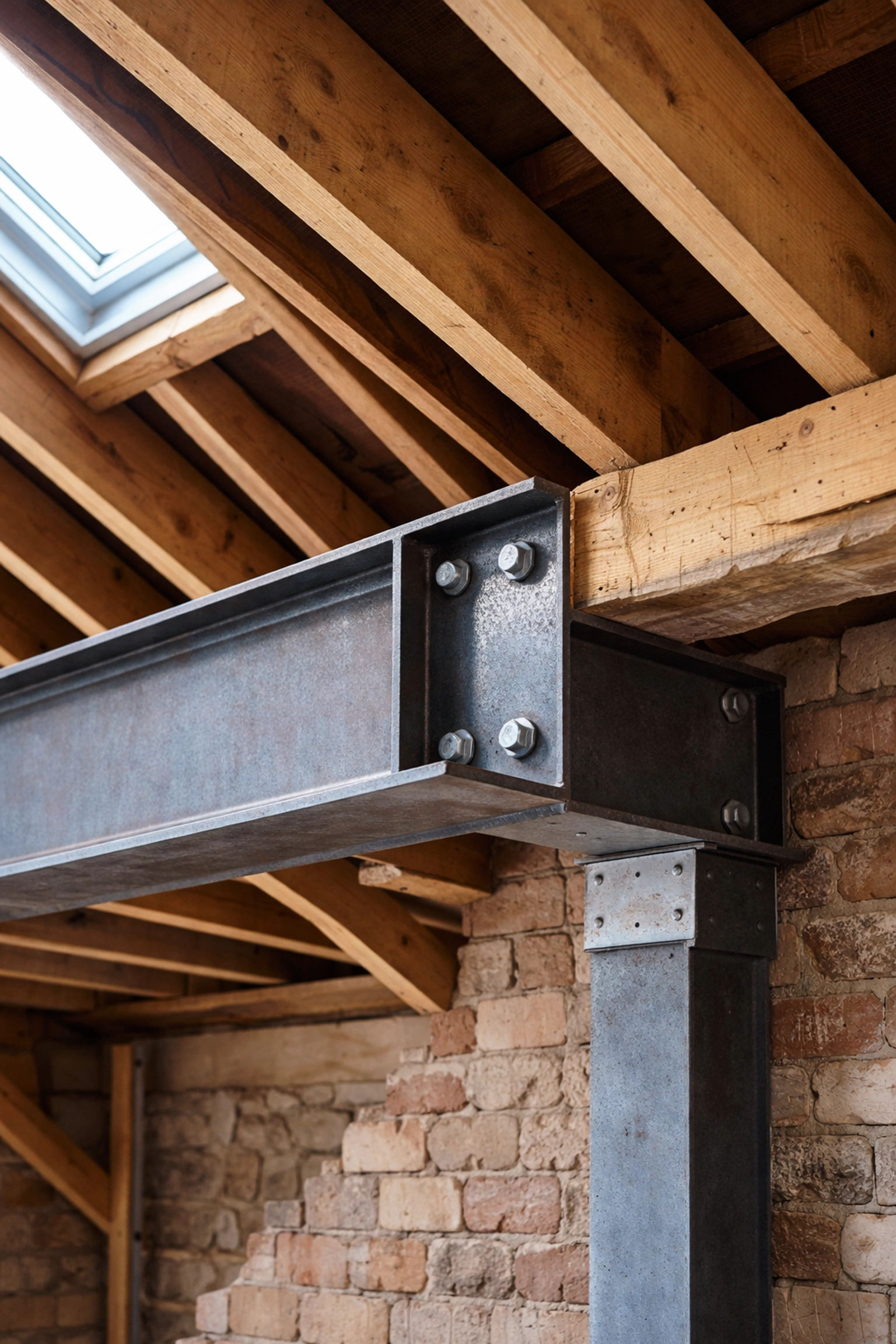
Older Epping properties, particularly those built in the Victorian and Edwardian eras, often have roof structures that need significant reinforcement. If your builder hasn't accounted for steel beam installation or floor joist upgrades, you could face unexpected bills mid-project.
Party Wall Agreements
If your loft conversion involves work on or near a shared wall with your neighbour, you'll likely need a Party Wall Agreement. This involves appointing a surveyor (sometimes two), and costs can range from £700 to £1,500 or more. Many generic quotes exclude this.
Planning Application Fees
If your project does require planning permission, you'll need to budget for application fees. As of 2026, a householder planning application typically costs around £258, but this can increase if you need additional assessments or revisions.
Building Control Fees
Separate from planning, building control fees for a loft conversion in the Epping Forest District typically range from £400 to £900, depending on the complexity of your project.
Access and Scaffolding
Properties on narrow streets or with limited rear access may require more complex scaffolding arrangements. If your builder hasn't visited the site before quoting, this cost might not be reflected accurately.
How Local Knowledge Saves You Money
Working with builders who regularly complete loft conversions in Epping offers practical advantages that go beyond just knowing the area.
Established Relationships with the Council
Builders who frequently submit applications to Epping Forest District Council understand what local planning officers look for. They know which designs tend to sail through and which trigger requests for additional information. This means fewer delays and less back-and-forth.
Accurate Initial Quotes
Local experience means fewer surprises. A builder who has worked on properties similar to yours in Epping can anticipate structural requirements, access challenges, and material costs with greater accuracy.
Knowledge of Local Suppliers
Sourcing materials locally reduces delivery times and costs. Builders with established relationships with suppliers in the Epping and Essex area can often secure better prices and faster turnaround.
Common Mistakes to Avoid With Your Epping Loft Conversion
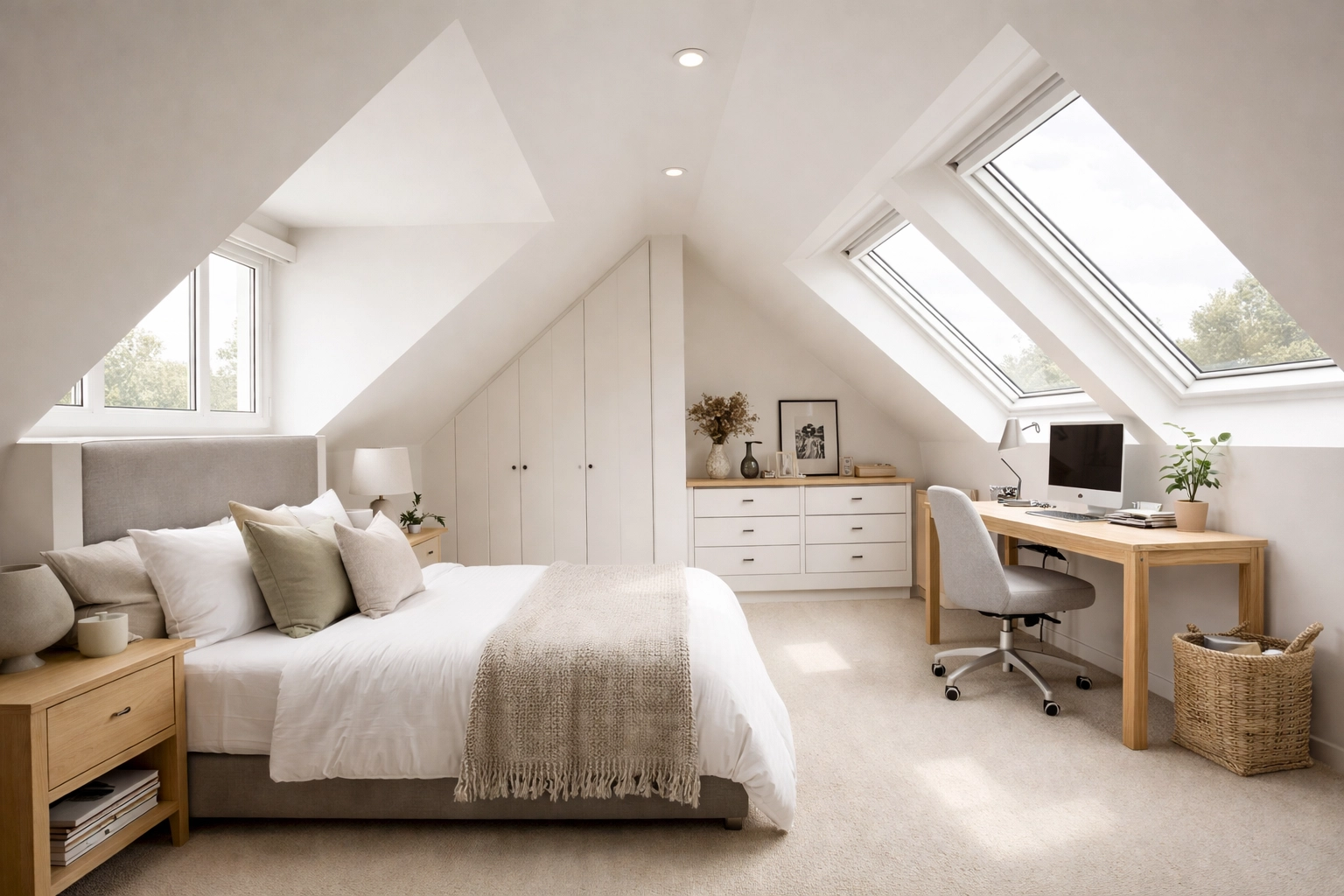
Learning from others' missteps can save you significant time and stress. Here are the most common errors we see homeowners make.
Assuming Permitted Development Applies to You
Just because your neighbour converted their loft without planning permission doesn't mean you can. Previous extensions, conservation area status, or changes in legislation can all affect your permitted development rights. Always verify with the council or a knowledgeable builder before proceeding.
Skipping the Pre-Application Advice
Epping Forest District Council offers a pre-application advice service. For a fee, you can get informal feedback on your plans before submitting a formal application. This is particularly valuable if your project is borderline or involves any unusual features.
Choosing a Builder Based on Price Alone
The lowest quote often excludes essential elements like party wall costs, building control fees, or structural work. Always ask for a detailed breakdown and clarify what's included before signing any contract.
Underestimating the Timeline
A straightforward loft conversion typically takes 8 to 12 weeks once work begins. However, the planning and preparation phase can add several weeks or even months if applications are required. Build this into your expectations from the start.
Forgetting About Your Neighbours
Even if you don't legally need their permission, keeping neighbours informed about your plans is good practice. Unexpected objections can delay planning applications and create ongoing tension.
A Practical Checklist Before You Start
Before you commit to a loft conversion in Epping, work through these steps:
- Check whether your property is in a conservation area or near Green Belt land
- Verify your permitted development rights with Epping Forest District Council
- Get at least three detailed quotes from builders with local Epping experience
- Ask each builder about building regulations, party wall requirements, and structural assessments
- Consider using the council's pre-application advice service for complex projects
- Factor in a contingency budget of 10-15% for unexpected costs
- Discuss timelines realistically, including the planning and preparation phase
Making the Right Decision for Your Home
A loft conversion is one of the most effective ways to add space and value to your Epping home. But the difference between a smooth project and a stressful one often comes down to preparation and local expertise.
Understanding how Epping Forest District Council operates, what your property's specific constraints are, and what costs to realistically expect puts you in a much stronger position. It also helps you ask the right questions when choosing a builder.
If you're planning a loft conversion in Epping and want to discuss your options with a team that knows the area, get in touch with WJ Construction. We're always happy to talk through your plans and help you understand what's involved.