
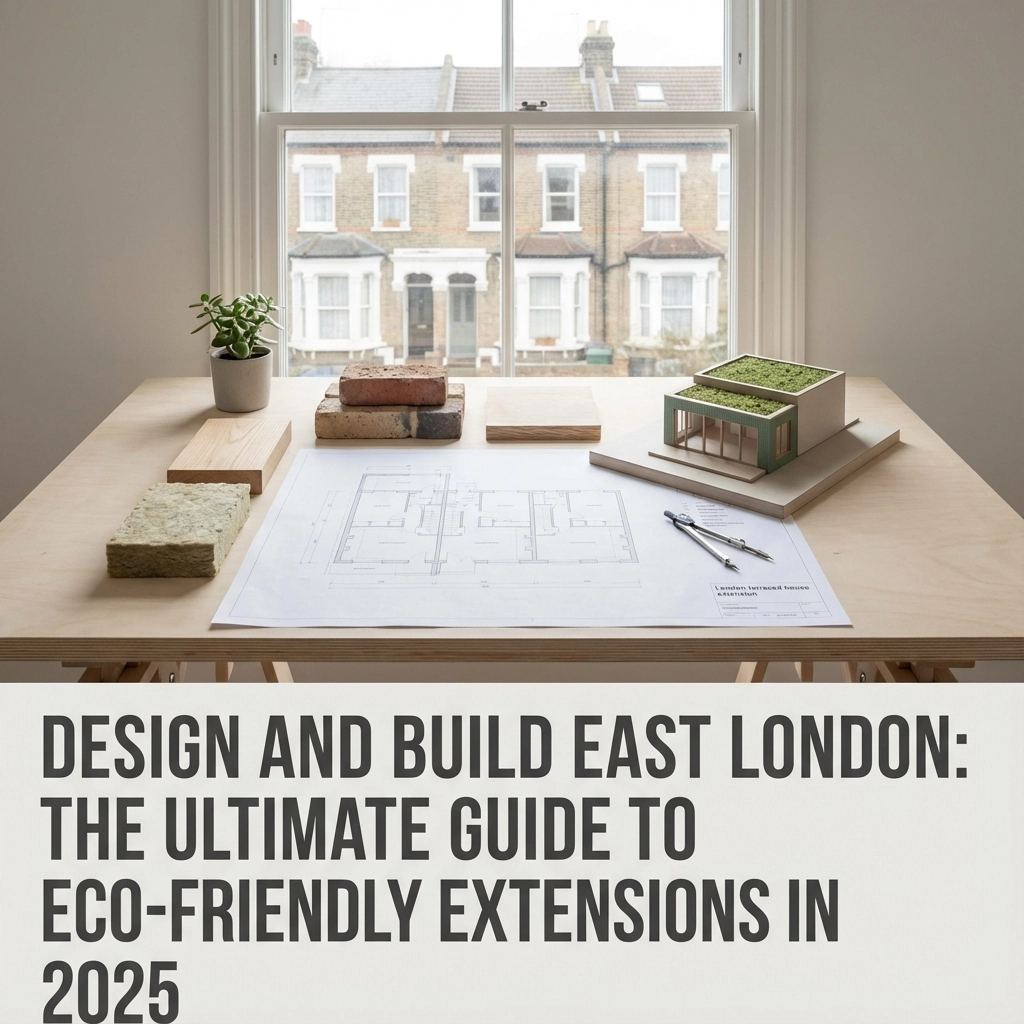
London homeowners are increasingly choosing eco-friendly extensions as the perfect solution to expand living space whilst reducing their environmental footprint. With rising energy costs and growing environmental awareness, sustainable design and build approaches in East London have shifted from nice-to-have features to essential considerations. This comprehensive guide explains the latest eco-friendly extension trends for 2025, addresses common cost concerns, and helps you navigate planning requirements for your sustainable home improvement project.
Why Eco-Friendly Extensions Are Taking Off in East London
The push towards sustainable living has transformed how we approach home extensions. East London homeowners are discovering that eco-friendly design and build projects deliver both immediate comfort improvements and long-term financial benefits.
Modern sustainable extensions typically reduce energy bills by 30-50% compared to traditional builds, whilst adding significant value to your property. The combination of government incentives, improved building technologies, and growing environmental consciousness makes 2025 an ideal time to invest in an eco-friendly extension.
Key Sustainable Design Trends Shaping 2025 Extensions
Seamless Indoor-Outdoor Integration
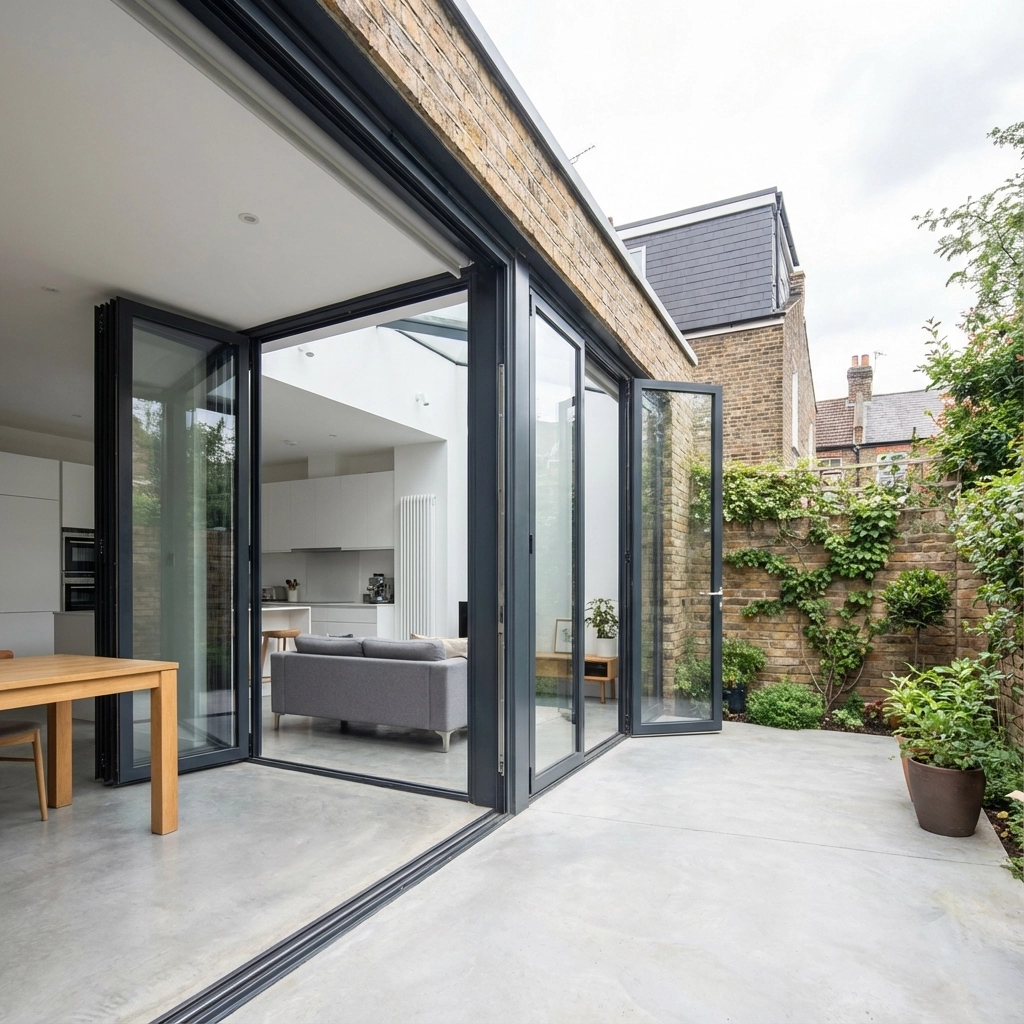
Contemporary eco-friendly extensions prioritise creating fluid connections between interior and exterior spaces. This trend involves installing large bi-fold or sliding glass doors that open entire walls, combined with consistent flooring materials that flow from inside to outside.
The benefits extend beyond aesthetics. These designs maximise natural light penetration, reducing reliance on artificial lighting during daytime hours. Strategic placement of these openings also enables natural ventilation, decreasing the need for mechanical cooling systems.
Energy-Efficient Technologies and Materials
Triple-glazed windows have become the standard for sustainable extensions, providing superior thermal performance compared to double-glazing. These windows maintain consistent internal temperatures year-round, significantly reducing heating and cooling costs.
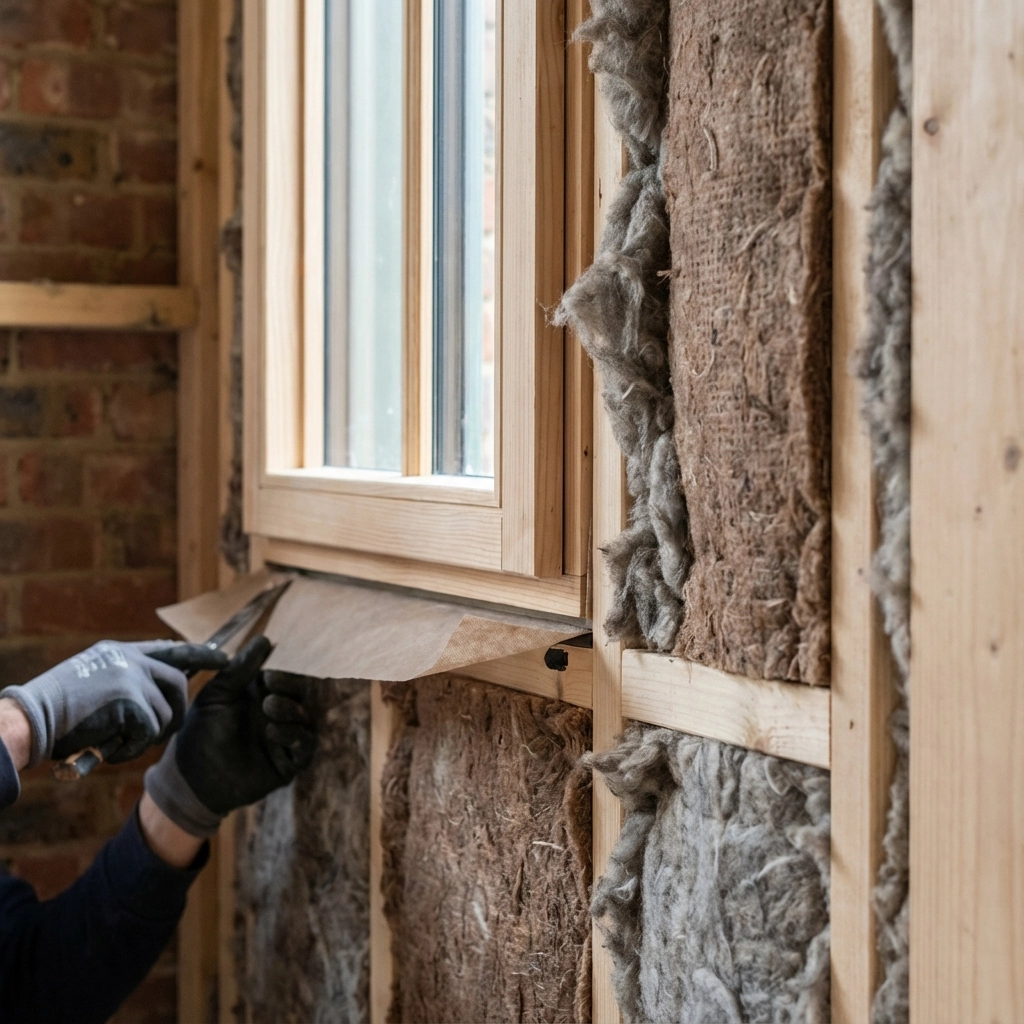
High-performance insulation systems are equally crucial. Modern extensions use advanced materials like sheep's wool, recycled plastic, or aerogel insulation that outperform traditional options whilst maintaining environmental credentials.
Heat pump systems are increasingly popular for eco-friendly extensions. These systems extract heat from outside air or ground sources, providing efficient heating and cooling with minimal electrical consumption.
Biophilic Design Elements
Biophilic design incorporates natural elements directly into your extension's structure and aesthetics. This approach includes:
- Living walls or green facades that provide insulation whilst improving air quality
- Natural materials like reclaimed wood, bamboo, and locally-sourced stone
- Strategic placement of plants and water features
- Skylights and roof windows that connect occupants with changing weather and seasons
These elements create healthier living environments whilst supporting local ecosystems and biodiversity.
Essential Eco-Friendly Features for Your Extension
Renewable Energy Integration
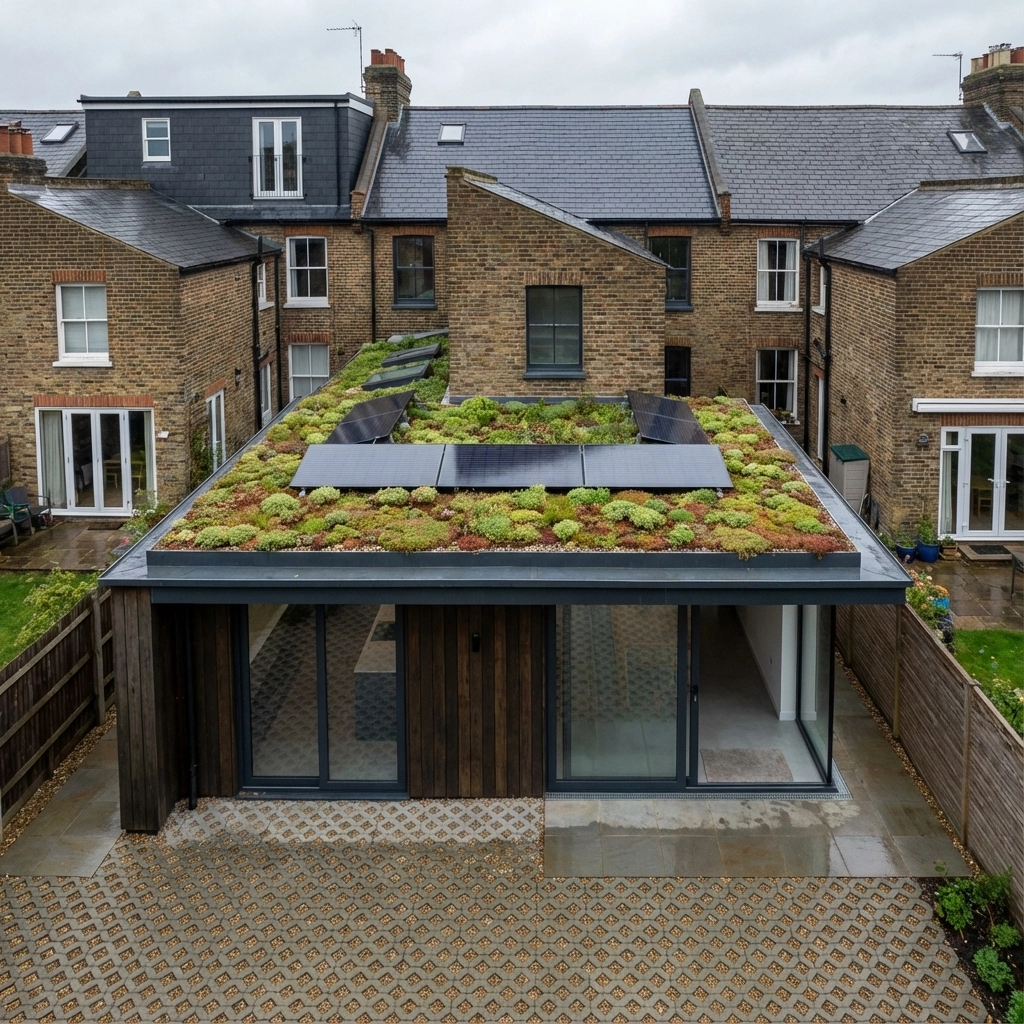
Solar panels remain the most effective renewable energy solution for residential extensions. Modern photovoltaic systems are more efficient and aesthetically pleasing than earlier generations, with options for integrated roof tiles that maintain your home's appearance.
Battery storage systems complement solar installations, storing excess energy for use during evening hours or cloudy periods. This combination can eliminate or significantly reduce your reliance on grid electricity.
Sustainable Water Management
Sustainable drainage systems (SUDS) are particularly important in urban areas like East London, where flooding concerns are growing. These systems include:
- Permeable paving that allows rainwater to soak naturally into the ground
- Green roofs that absorb rainwater whilst providing insulation
- Rainwater harvesting systems for garden irrigation
- Greywater recycling systems that reuse water from sinks and showers
Advanced Building Materials
Sustainable material choices significantly impact your extension's environmental footprint. Options include:
- Reclaimed bricks and timber that reduce waste whilst providing character
- Bamboo flooring and cladding that grows rapidly and sequesters carbon
- Low-carbon concrete alternatives made from recycled materials
- Natural insulation materials like hemp, cork, or recycled denim
These materials often provide superior performance alongside environmental benefits, creating healthier indoor environments with better air quality.
Understanding Costs and Financial Benefits
Initial Investment Considerations
Eco-friendly design and build projects in East London typically cost 10-20% more than conventional extensions initially. However, this premium reflects higher-quality materials and systems that deliver long-term savings.
A typical single-storey eco-friendly extension might cost £1,800-£2,500 per square metre, compared to £1,500-£2,000 for conventional builds. Two-storey extensions range from £1,600-£2,200 per square metre for sustainable builds.
Long-Term Financial Returns
The financial benefits of eco-friendly extensions become apparent quickly:
- Reduced energy bills of £500-£1,500 annually for typical extensions
- Property value increases of 15-25% above conventional extension improvements
- Potential rental premium of 10-15% if letting the extended property
- Lower maintenance costs due to higher-quality materials and systems
Available Government Support
Several schemes help offset eco-friendly extension costs:
- The Energy Company Obligation (ECO) provides funding for insulation and heating system upgrades
- VAT reductions on energy-efficient materials and installations
- Local authority grants for sustainable home improvements
- Green home finance products offering preferential rates for eco-friendly projects
Navigating Planning Requirements
Permitted Development Rights
Many eco-friendly extensions qualify for Permitted Development Rights, allowing construction without full planning applications. However, sustainable features sometimes require additional considerations:
- Solar panels must meet specific size and positioning requirements
- Heat pump installations need acoustic assessments in dense residential areas
- Green roofs may require structural calculations for planning submissions
Building Regulations Compliance
Building Regulations increasingly favour sustainable approaches. The latest requirements include:
- Enhanced thermal performance standards that eco-friendly materials easily meet
- Electrical vehicle charging point requirements for extensions with parking
- Improved ventilation standards that natural ventilation systems can satisfy
Working with experienced design and build specialists ensures your project meets current and anticipated future requirements whilst maximising available incentives.
Environmental Impact and Community Benefits
Carbon Footprint Reduction
Eco-friendly extensions typically achieve 40-60% lower carbon emissions compared to conventional builds throughout their lifecycle. This reduction comes from:
- Lower operational energy consumption
- Sustainable material choices with reduced embodied carbon
- Renewable energy generation that often produces surplus power
- Improved durability reducing replacement and maintenance impacts
Supporting Local Sustainability Goals
Many East London boroughs have ambitious carbon reduction targets. Sustainable extensions contribute to these community-wide goals whilst often qualifying for fast-track planning processes or reduced fees.
Your eco-friendly extension also supports local supply chains for sustainable materials and creates demand for green building expertise, strengthening the regional sustainable construction sector.
Choosing the Right Design and Build Approach
Working with Sustainable Specialists
Successful eco-friendly extensions require expertise in sustainable technologies and materials. Look for contractors who demonstrate:
- Experience with renewable energy installations
- Understanding of advanced insulation and ventilation systems
- Knowledge of sustainable material sources and applications
- Familiarity with relevant grants and incentive schemes
Design Integration Considerations
Effective sustainable design integrates multiple eco-friendly elements rather than adding individual features. The best results come from considering:
- How solar orientation affects heating, cooling, and energy generation
- Relationships between insulation, ventilation, and heating systems
- Material choices that complement your home's existing character
- Landscaping that supports drainage and biodiversity goals
Planning Your Eco-Friendly Extension Project
Timeline Expectations
Sustainable design and build projects typically require additional planning time for:
- Initial sustainability assessments and energy modelling
- Sourcing specialised materials and equipment
- Coordination between multiple sustainable technology installations
- Commissioning and testing of integrated systems
Allow 6-8 weeks additional time compared to conventional extensions for design and planning phases, though construction timeframes remain similar.
Maximising Long-Term Benefits
The most successful eco-friendly extensions consider future adaptability:
- Installing infrastructure for additional renewable energy capacity
- Designing flexible spaces that adapt to changing family needs
- Choosing materials and systems with long service lives
- Creating connections for future smart home technology integration
Summary
Eco-friendly design and build approaches have transformed from niche options to mainstream solutions for East London homeowners seeking to expand their living space responsibly. The combination of improved technologies, financial incentives, and growing environmental awareness makes sustainable extensions both practical and profitable investments.
Whilst initial costs may be slightly higher, the long-term benefits of reduced energy bills, increased property values, and enhanced living quality deliver compelling returns. Government support schemes and improving planning processes further strengthen the case for choosing sustainable approaches.
The key to success lies in working with experienced specialists who understand how to integrate multiple eco-friendly elements effectively whilst meeting your specific needs and local requirements.
If you're considering an eco-friendly extension in East London, WJ Construction can guide you through the design options, planning requirements, and sustainable technologies that will work best for your property. Get in touch to discuss how we can help create your sustainable home extension.